
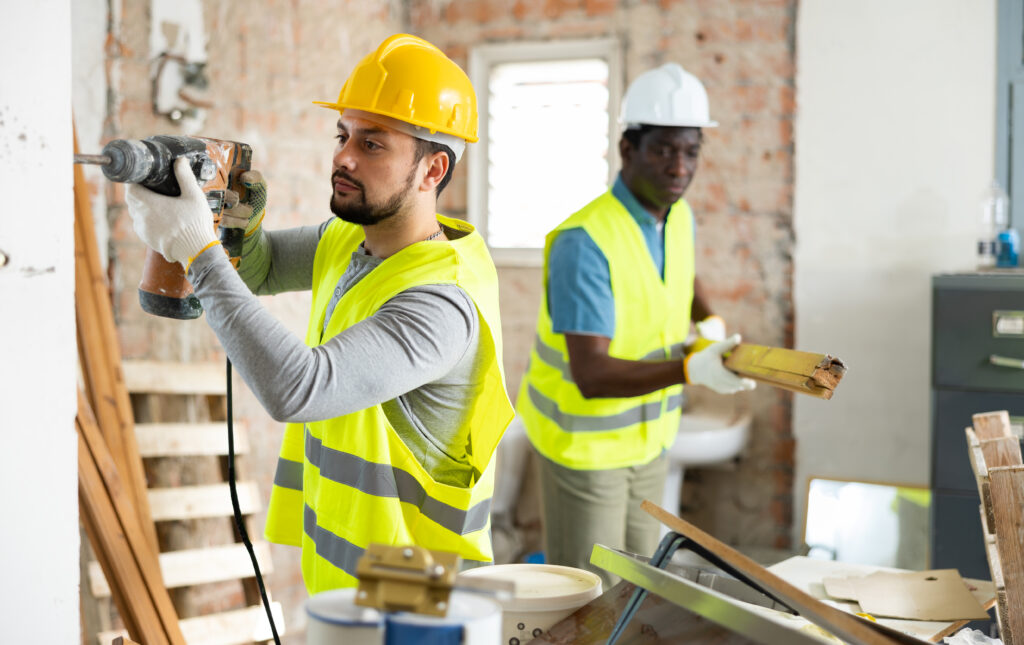
The Essential Role of Selective Demolition in Sustainable and Safe Construction
Selective demolition is not just about tearing down walls—it’s a critical step in making your construction project safer and greener. When done right, it reduces waste, protects workers, and sets the stage for sustainable construction by salvaging materials for reuse. In this post, you’ll learn why precise demolition matters and how it fits into creating safer, more responsible building sites. Learn more about sustainable demolition practices here.
Importance of Selective Demolition
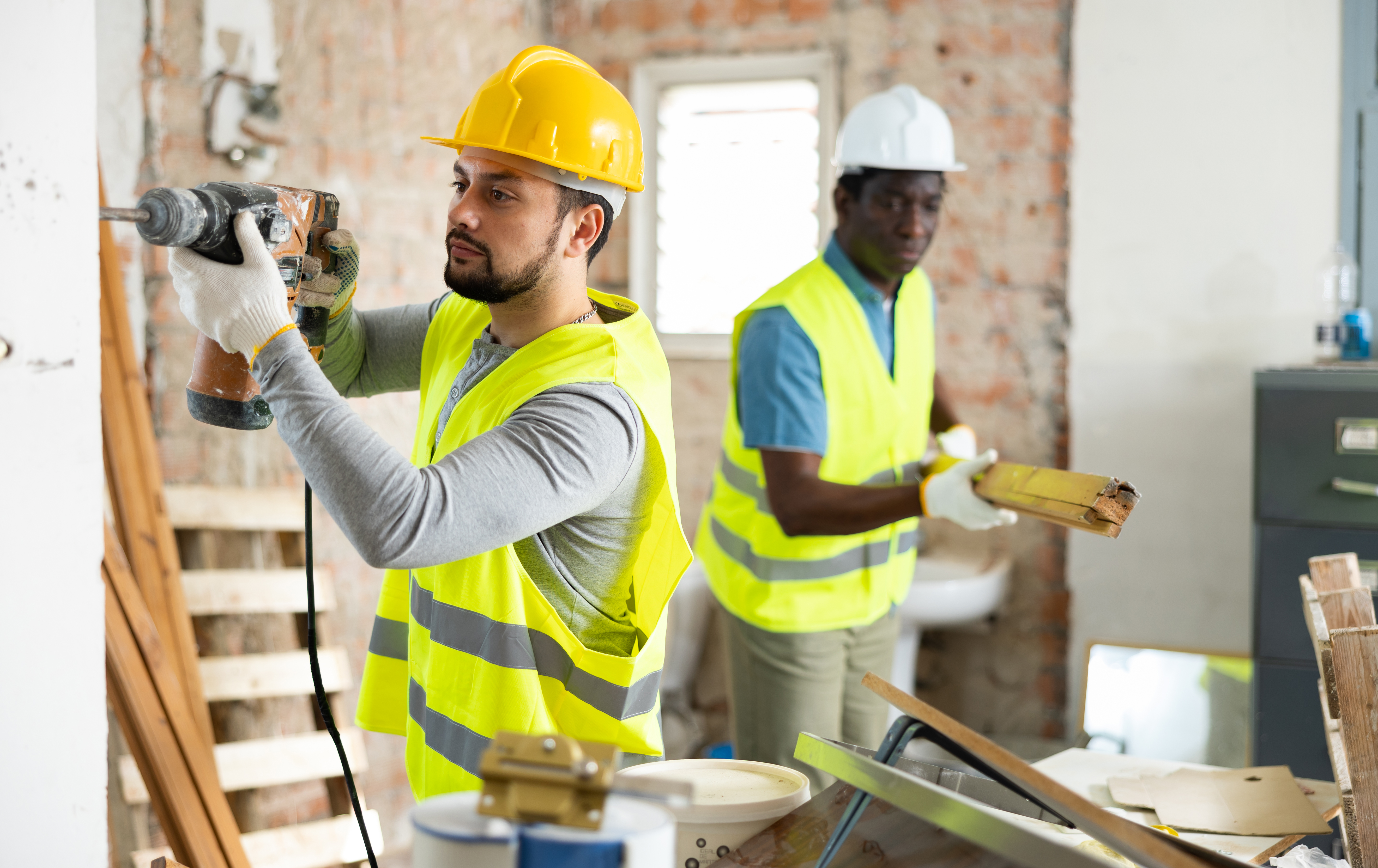
Selective demolition plays a pivotal role in shaping modern construction practices. By focusing on specific removal rather than total destruction, it ensures minimal waste and enhances safety. Let’s explore its significance in sustainable building and worker protection.
Promoting Sustainable Construction
Selective demolition is a cornerstone of eco-friendly construction. By carefully dismantling buildings, you can recover materials like wood and metals. This process not only saves resources but also reduces landfill waste. For example, a project in Arizona reclaimed 75% of its materials through selective methods—proving the potential for significant environmental savings.
This method helps build a circular economy, where materials are reused rather than discarded. Imagine turning an old beam into a new bench—it’s not just recycling, it’s upcycling. Such practices not only benefit the environment but also support community efforts in sustainability.
Enhancing Construction Safety
Construction sites are inherently risky, but selective demolition prioritizes safety by focusing on controlled deconstruction. This approach minimizes hazards like falling debris, ensuring a safer environment for workers. It’s about precision over brute force.
Workers and project managers alike see the value in reduced accidents. When you use selective methods, you’re actively creating a safer site. Plus, with fewer sudden collapses, there’s less risk of injury. For more insights on safety in selective demolition, check out this guide.
Methods and Practices
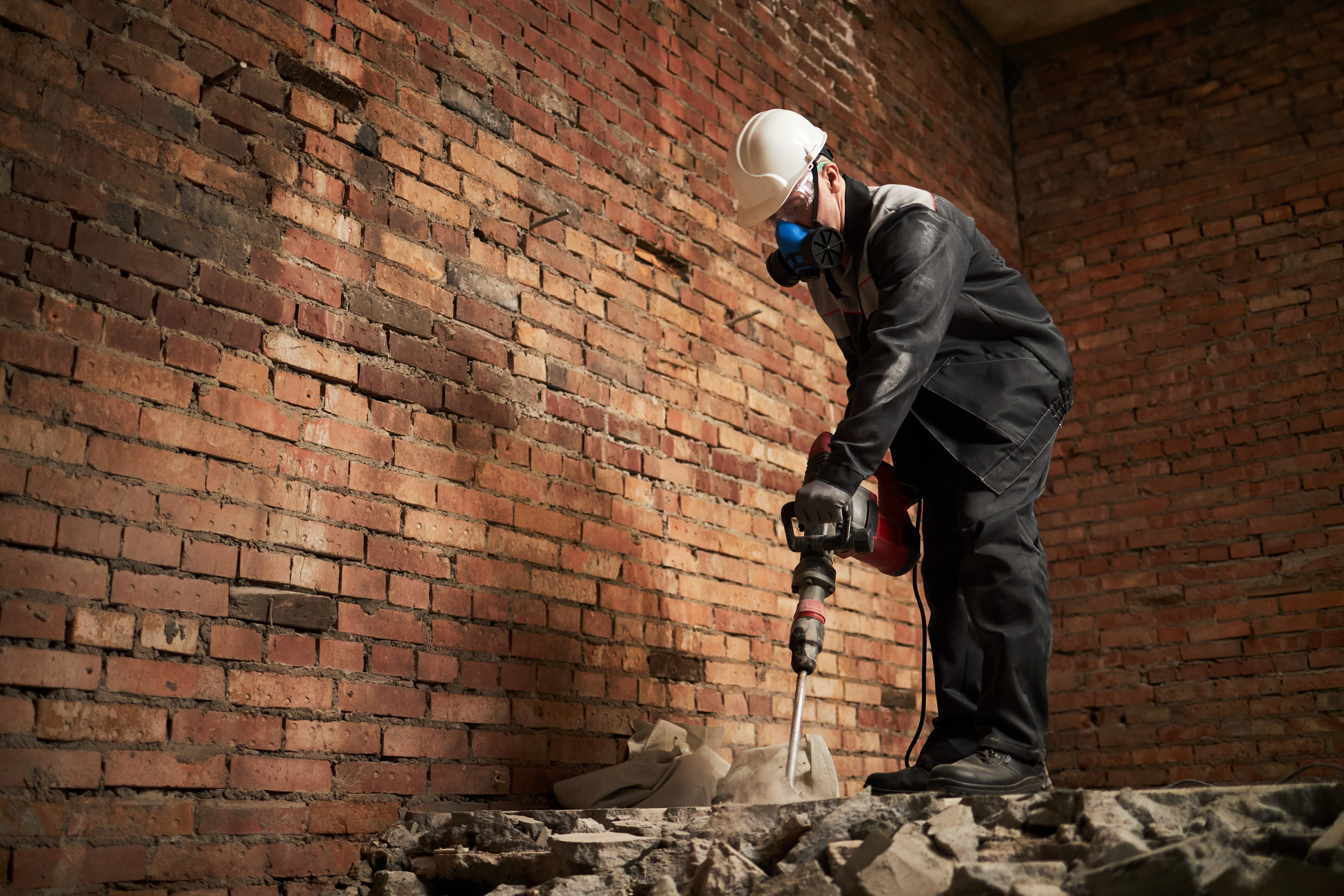
Understanding the best practices in selective demolition is crucial. Let’s delve into the techniques that ensure both precision and environmental care in this essential process.
Precision in Safe Demolition
Precision is the key to effective demolition. It involves strategic planning and careful execution. Workers use advanced tools to dismantle structures piece by piece. This not only minimizes noise and dust but also enhances safety on site.
Precision methods have a direct impact on project timelines. By reducing the risk of unexpected delays due to accidents or missteps, they keep projects on track. In a world where time is money, precision offers a clear edge.
Environmental Remediation Techniques
Selective demolition often goes hand-in-hand with environmental remediation. This involves the careful removal of hazardous materials like asbestos and lead. By doing so, you ensure the safety of workers and the surrounding community.
Such remediation requires specialized knowledge and equipment. It’s not just about removal, but proper disposal too. This ensures compliance with environmental regulations, protecting both nature and human health. For a comprehensive guide on professional selective demolition, visit this resource.
Benefits of Material Recycling
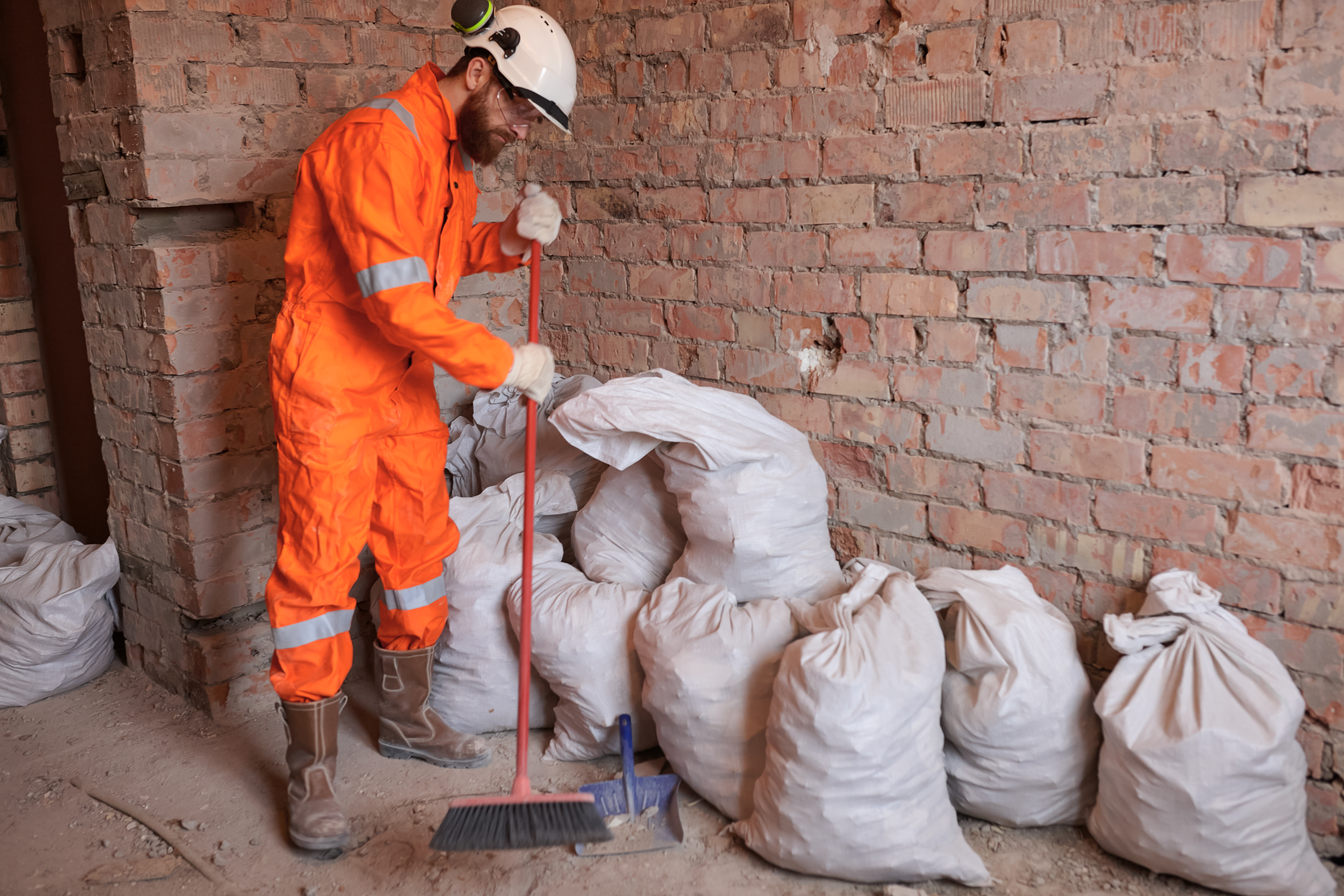
The benefits of recycling materials from demolition projects extend far beyond simple waste reduction. Let’s examine how this practice supports both economic and environmental goals.
Supporting a Circular Economy
Material recycling is a fundamental aspect of a circular economy. By repurposing materials from demolished structures, you contribute to a system where resources are continuously reused. This approach reduces the need for new materials, cutting down on environmental impact.
Consider a project where recycled concrete was used to build new foundations. Not only did this save on costs, but it also reduced the carbon footprint significantly. Such examples highlight the role of recycling in modern construction.
Reducing Environmental Impact
Recycling materials from demolition sites helps in significantly reducing the environmental impact. By diverting waste from landfills, you conserve natural resources and lower emissions. This practice is a win for both the planet and the construction industry.
The longer you wait to adopt these methods, the more resources are wasted. By embracing recycling now, you set a precedent for others in the industry. This isn’t just about following trends—it’s about setting new standards. For further reading on sustainable management of construction and demolition materials, visit the EPA’s resource.
By understanding and implementing selective demolition, you not only enhance the safety and sustainability of your projects but also contribute to a healthier planet. Taking these steps today ensures a better tomorrow for everyone involved in construction.