
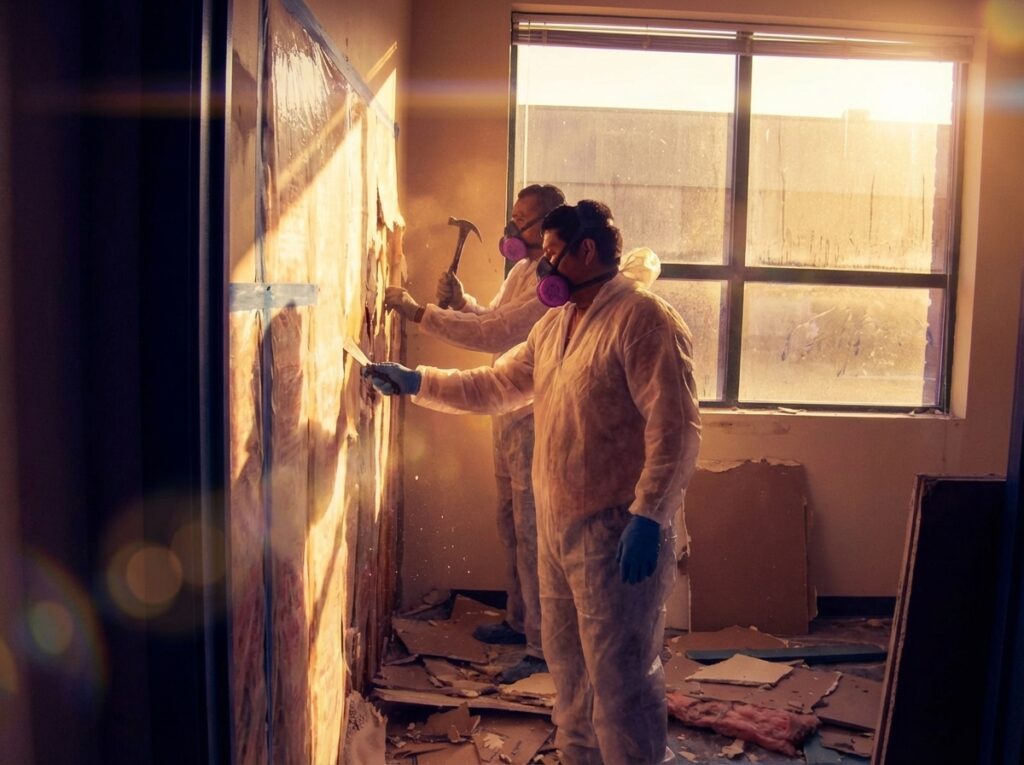
One Plan, Four Hazards: Managing Mold, Asbestos, Lead, and Fire Damage the Right Way
Managing mold, asbestos, lead, and fire damage all at once can overwhelm any property manager or homeowner. Each hazard demands specific containment, sequencing, and documentation to keep your project on track and compliant. This guide breaks down how to handle multi-hazard remediation in Arizona with a clear, step-by-step plan that puts safety and thoroughness first. Keep reading to see how Desert Valley Abatement simplifies complex projects with expert coordination and proven methods. For more insights, visit our Comprehensive Guide to Asbestos Testing and Safety Limits for Restoration Companies.
Effective Hazard Management
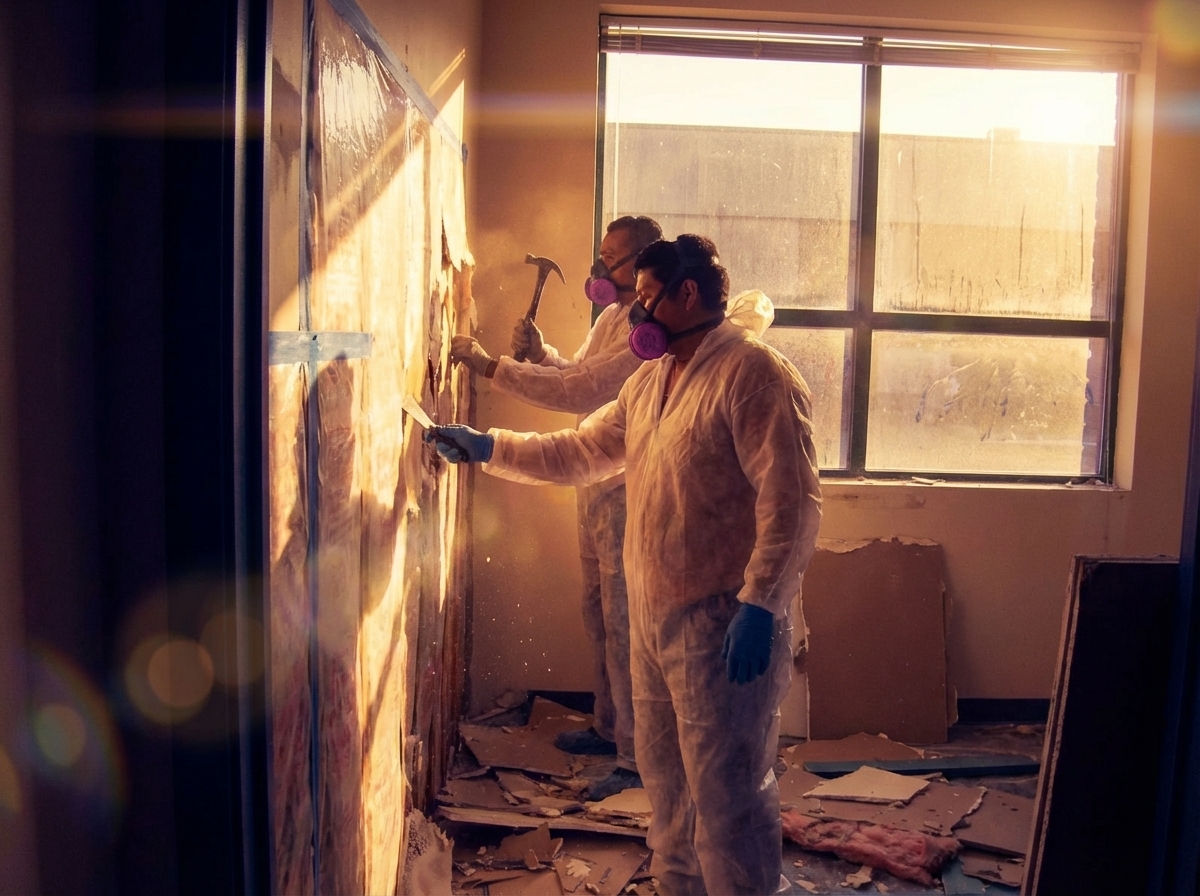
When dealing with multiple hazards, having a solid plan is crucial. A well-structured approach ensures each risk is addressed effectively, safeguarding your property and health.
Comprehensive Remediation Planning
Creating a plan involves understanding the unique challenges each hazard presents. You start by assessing the property to determine the extent of damage. This step is crucial for prioritizing tasks and allocating resources. Next, you’ll need a timeline that outlines each phase of the process. A detailed schedule helps manage expectations and ensures smooth execution. Finally, consult with experts like Desert Valley Abatement to confirm that your plan covers all necessary aspects. Their expertise in environmental remediation in Arizona ensures nothing is overlooked.
Sequencing for Success
Proper sequencing is vital to avoid unnecessary delays and risks. Begin with the most hazardous tasks, such as asbestos removal, to ensure safety. Next, focus on mold remediation and lead abatement. These steps often require negative air containment and HEPA air filtration to maintain air quality. Finally, address fire damage restoration, which may involve selective demolition. By tackling each step methodically, you ensure efficient progress and prevent complications.
Documentation and Compliance
Documenting each phase is not just about keeping records. It ensures compliance with regulations like AHERA for asbestos and EPA RRP lead-safe standards. Detailed documentation provides proof of compliance, which is crucial for both safety and legal reasons. Maintain records of inspections, clearance testing, and remediation efforts. This practice protects you from future liabilities and helps maintain transparency.
Key Environmental Hazards

Understanding the hazards you face is the first step to managing them effectively. Each has its challenges and requires specialized techniques for remediation.
Mold Remediation Techniques
Mold can spread quickly if not addressed properly. To start, identify and eliminate the moisture source. This step is critical in preventing future growth. Next, use specialized cleaning agents to remove visible mold. High-efficiency HEPA filters are essential during this process to capture airborne spores. Finally, apply sealants to treated areas to protect against recurrence. For a deeper dive into mold management, explore the Mold Prevention and Remediation Guide.
Asbestos Abatement Strategies
Asbestos poses serious health risks, so handling it requires care. Begin by conducting a thorough inspection to identify affected areas. Once identified, ensure proper containment to prevent fiber release. During removal, use wet methods to reduce dust and follow strict disposal protocols. Compliance with NESHAP regulations is mandatory to ensure safety. For more on asbestos handling, check out the EPA’s guide on asbestos-containing materials.
Lead Abatement Procedures
Lead is another hazardous material that demands careful attention. Start with testing to pinpoint contamination levels. Then, use encapsulation or removal techniques to mitigate risks. Regular clearance testing ensures that the area is safe post-abatement. Adhering to EPA RRP guidelines is essential throughout the process to protect inhabitants and workers alike.
Partnering with Desert Valley Abatement

Choosing the right partner for your remediation needs can make all the difference. Desert Valley Abatement offers expertise and reliability, ensuring every project is handled with care.
Your Reliable Arizona Abatement Company
Desert Valley Abatement stands out with its commitment to safety and thoroughness. They offer a comprehensive range of services tailored to meet your specific needs. Their local expertise as an Arizona abatement company guarantees a deep understanding of regional regulations and environmental challenges.
Expertise in Multi-Hazard Remediation
Handling multiple hazards requires specialized knowledge and coordination. Desert Valley Abatement excels in managing complex projects, providing seamless integration of services from asbestos removal to fire damage restoration. Their team is well-versed in indoor air quality remediation, ensuring your property is safe and compliant.
Scheduling Your Site Assessment
The first step in any remediation project is a comprehensive site assessment. Desert Valley Abatement offers thorough evaluations to identify risks and develop a tailored action plan. By partnering with them, you gain access to experienced professionals dedicated to restoring your property safely and efficiently.
By following these guidelines and leveraging the expertise of Desert Valley Abatement, you can effectively manage the complex task of multi-hazard remediation. Prioritize safety, compliance, and expert coordination to protect your property and health.