
Lead Hazard Reduction in Homes and Commercial Buildings: Best Practices, Standards, and What to Expect During Abatement
Lead hazards can hide in plain sight, putting your property and occupants at risk without warning. If you’re managing a home or commercial building in Arizona, understanding lead abatement Arizona rules and best practices is essential to keeping everyone safe and staying compliant. This guide breaks down what to expect during lead hazard reduction, from inspection to clearance testing, so you can plan with confidence and protect your investment.
Best Practices for Lead Hazard Reduction
When managing lead hazards, it’s crucial to understand the steps involved and implement effective control methods. Let’s dive into the best practices for lead hazard reduction.
Key Steps in Lead Abatement
Lead abatement involves several critical steps to ensure safety. First, conduct a thorough inspection to identify lead presence. Hiring certified professionals can provide accurate results. Next, plan a removal strategy tailored to your property’s needs. This could involve removing lead-based paint or contaminated soil. Finally, ensure proper disposal of hazardous materials to comply with regulations.
Following these steps not only protects occupants but also your investment. For further guidance, the EPA’s Renovate Right brochure offers detailed information on safe practices.
Effective HEPA Dust Control Techniques
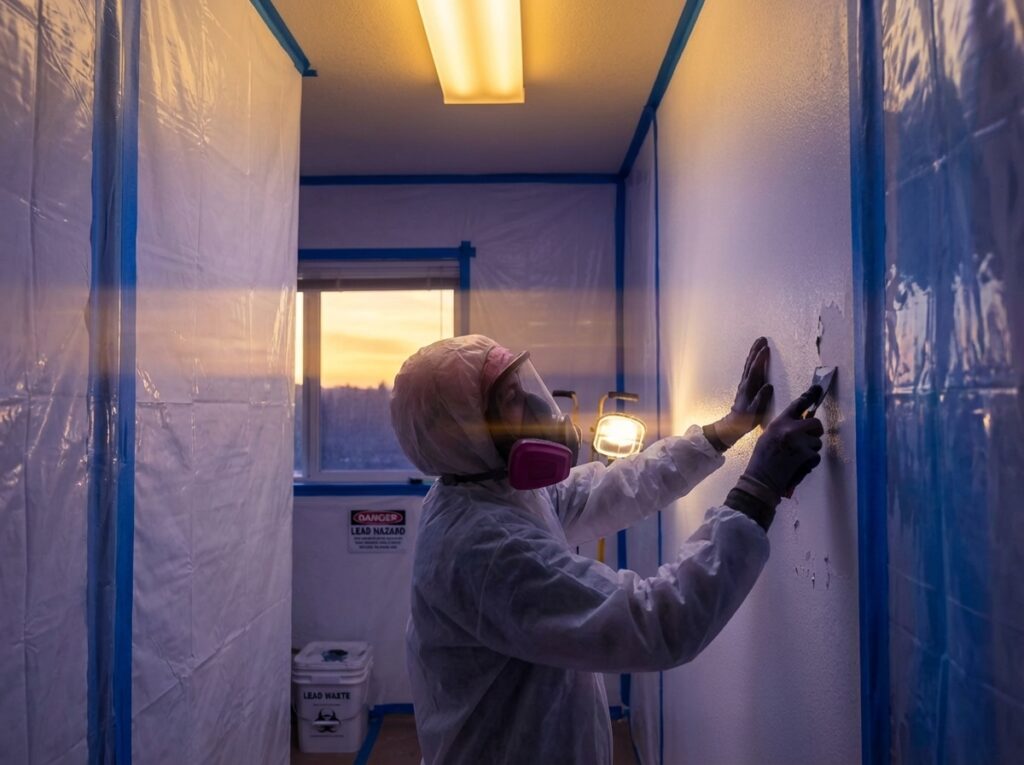
Dust control is vital during abatement to prevent lead particles from spreading. Using HEPA vacuums is a proven method. These vacuums capture fine particles that regular vacuums miss. Seal off work areas with plastic sheeting to contain dust and prevent it from moving to other parts of the building.
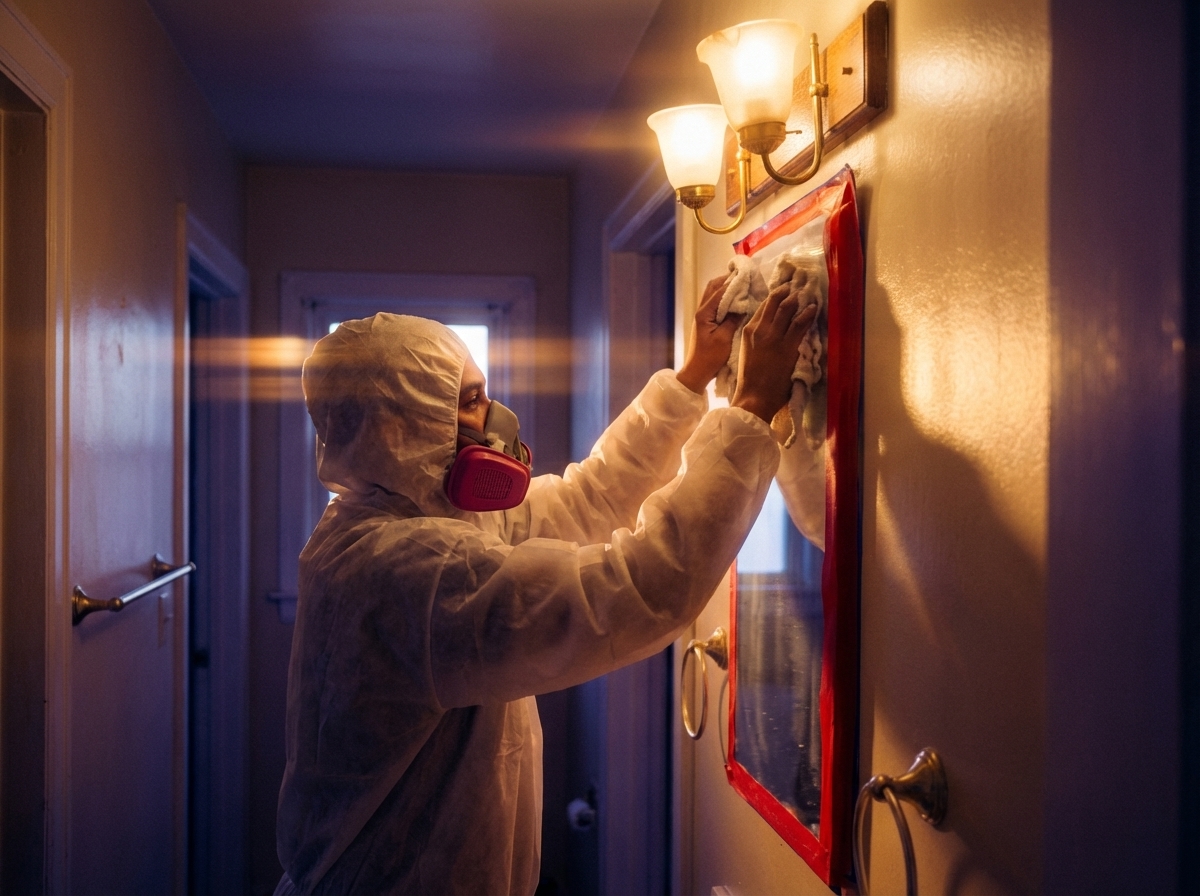
Frequent cleaning and monitoring help maintain a safe environment. Remember, even small amounts of lead dust can pose significant health risks.
Safe Wet Methods for Lead Removal
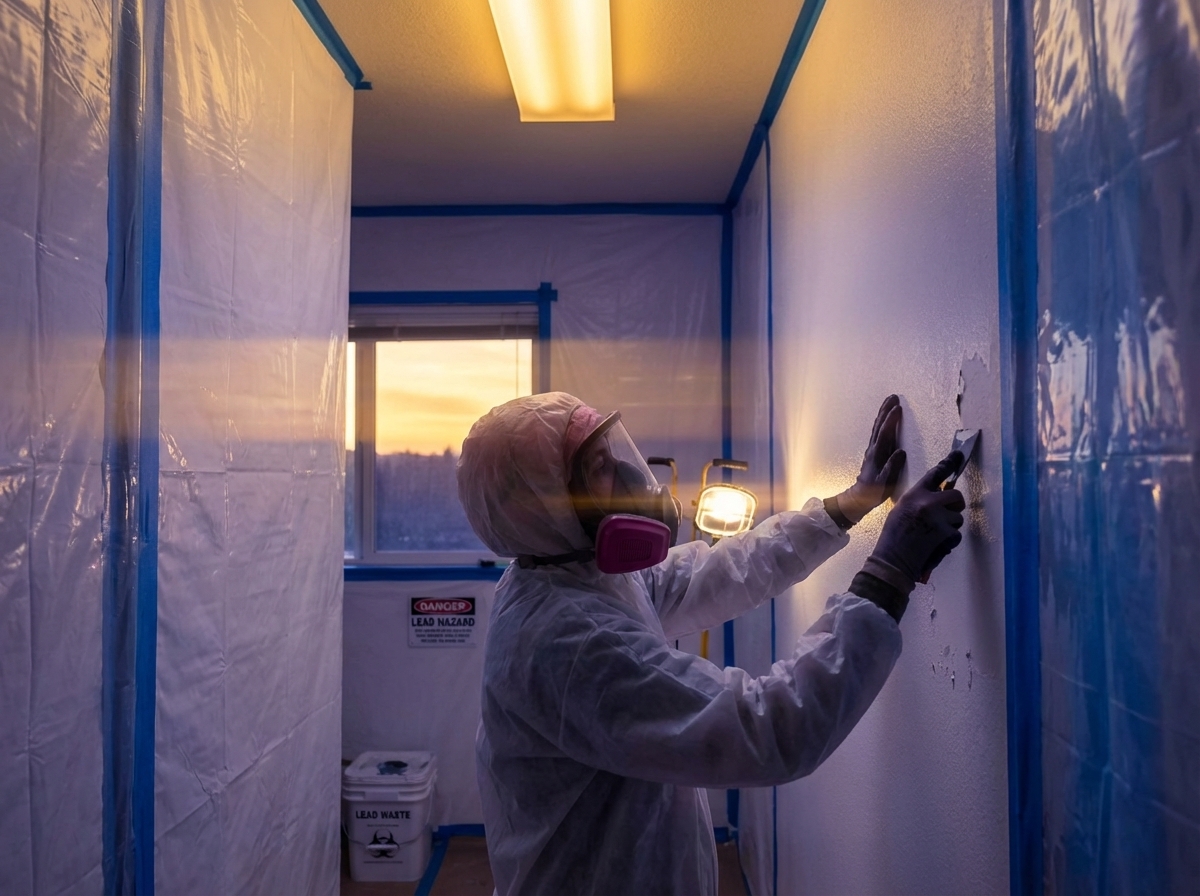
Wet methods minimize dust during lead removal. Misting surfaces before scraping or sanding can significantly reduce airborne particles. This simple step protects both workers and occupants.
When using wet techniques, ensure all water used is collected and disposed of properly. This prevents environmental contamination and keeps your project compliant with safety standards.
Abatement Standards and Compliance
Navigating the landscape of lead abatement requires understanding specific standards. Ensuring compliance protects not only health but also legal standing.
Understanding EPA RRP Compliance
The EPA Renovation, Repair, and Painting (RRP) Rule mandates certain practices to prevent lead contamination. If your building was constructed before 1978, adherence is mandatory. To comply, use certified renovators trained in lead-safe work practices and provide occupants with the Renovate Right pamphlet.
Compliance is not just a legal obligation; it’s essential for safety. Most people assume older buildings are safe, but without compliance, risks remain hidden.
Navigating HUD Lead Guidelines
HUD guidelines are your roadmap to managing lead in housing. They emphasize ongoing maintenance and lead-safe practices. Familiarize yourself with the HUD’s Lead-Based Paint Compliance Guide, which outlines necessary steps for lead reduction.
Staying informed ensures you’re not caught off guard by inspections. The longer you wait to address these guidelines, the greater the risk of compliance issues.
OSHA 1926.62 Lead Safety Protocols
The OSHA standard 1926.62 sets requirements for lead exposure in construction. It covers exposure limits, protective measures, and training. Ensuring workers have the right personal protective equipment (PPE) and training is crucial for safety.
By following these protocols, you safeguard not just health but also the reputation of your business. Many believe shortcuts save time, but they often lead to costly consequences.
Preparing for the Abatement Process
Preparation is key to a successful abatement process. Knowing what to expect helps in managing expectations and outcomes.
What to Expect During Lead Abatement
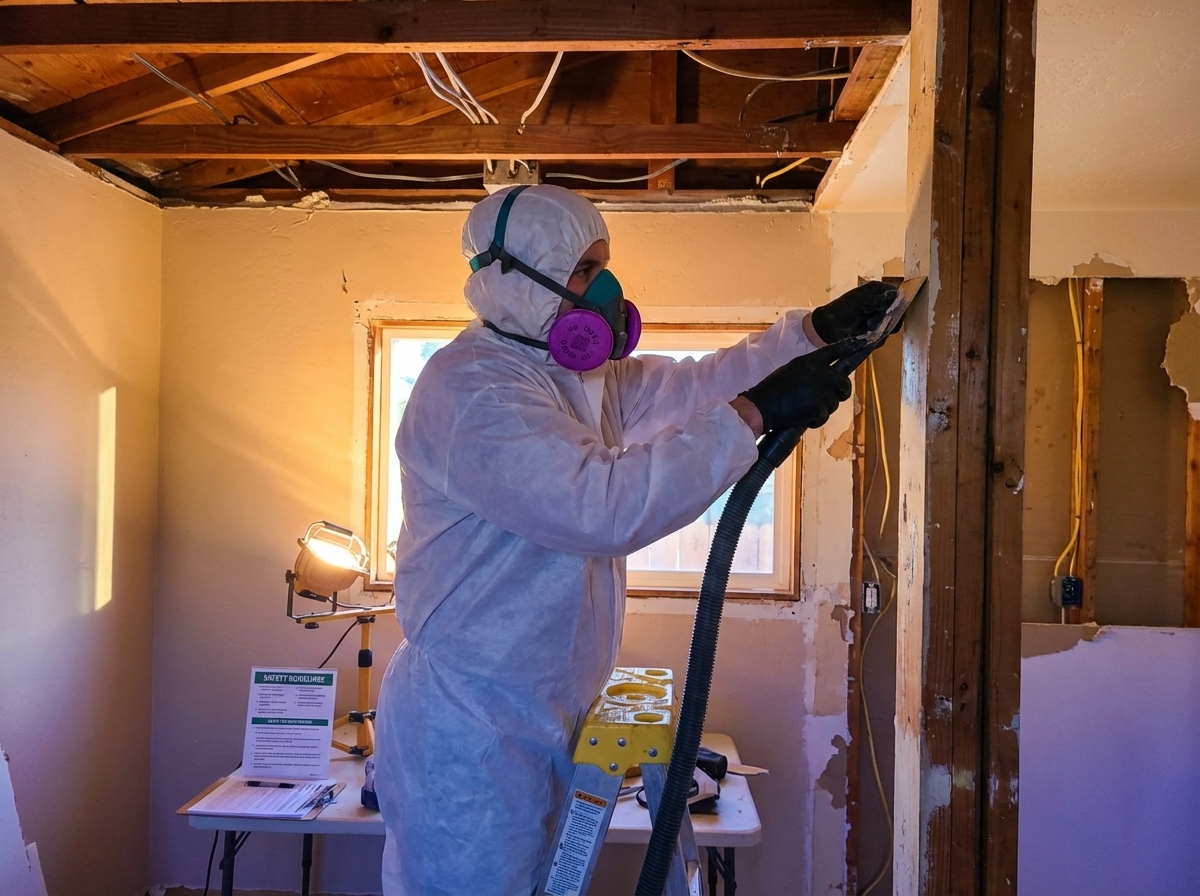
During abatement, expect a detailed inspection to assess the scope of lead presence. Following this, a tailored plan will be executed by certified professionals. The process may involve removal, enclosure, or encapsulation of lead materials.
Communication with occupants is crucial to minimize disruptions and maintain safety. Clearly outlining the steps helps manage expectations and reduce anxiety.
Importance of XRF Lead Inspection
XRF (X-ray fluorescence) is a non-invasive method for detecting lead in paint. This technology provides instant results without damaging surfaces, making it ideal for pre-renovation testing. Using XRF ensures accurate readings and helps in planning effective abatement strategies.
Without XRF, assumptions about safety could lead to missed hazards. Relying on outdated methods risks overlooking potential dangers.
Coordinating Clearance Testing and Documentation
Once abatement is complete, clearance testing verifies success. This involves collecting dust samples from the work area to ensure lead levels are within safe limits. Proper documentation of the process is crucial for compliance and future reference.
Neglecting documentation can lead to liability issues down the road. Ensuring thorough records protects your property and provides peace of mind.
In summary, understanding lead hazard reduction involves mastering best practices and compliance standards. By staying informed and prepared, you can ensure a safe environment for all building occupants.