
How to Identify Hidden Asbestos, Mold, and Lead Hazards Before Renovation Work Begins in Arizona
Hidden dangers like asbestos, mold, and lead often lurk where you least expect them—inside walls, ceilings, and old insulation. If you’re planning renovations in Arizona, skipping a thorough asbestos testing Arizona or mold inspection before renovation can put your project and health at risk. This guide will help you spot warning signs, understand required testing, and take the right steps to comply with Maricopa County asbestos NESHAP and ADEQ asbestos rules before work begins.
Identifying Asbestos Hazards
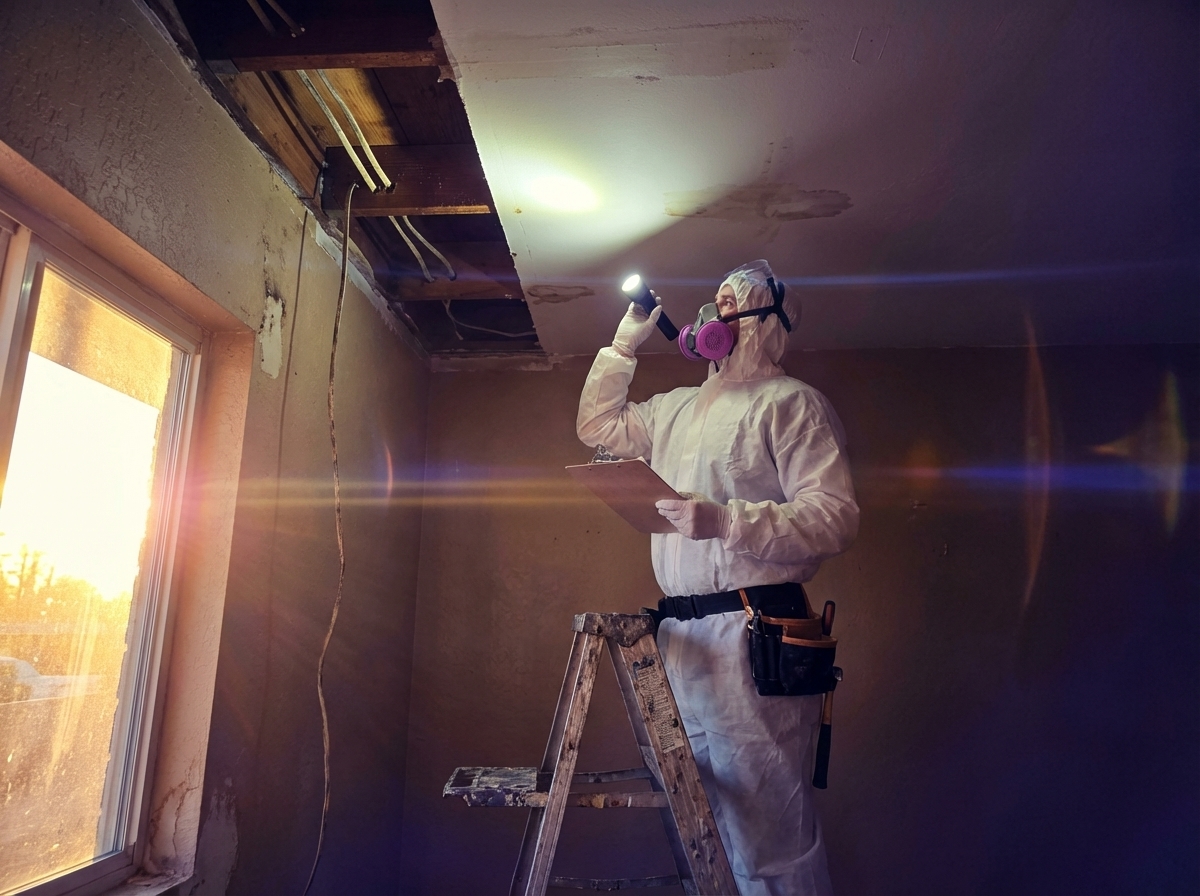
Before starting any renovation project, it’s crucial to understand the materials in your property. Asbestos is a major concern, especially in older buildings. Let’s look at how to identify potential asbestos hazards in your renovation plans.
Recognizing Asbestos Materials
Did you know that certain building materials might contain asbestos? It’s true. Popcorn ceilings, vermiculite insulation, and black mastic adhesive are common culprits. Properties built before the 1980s are more likely to contain these materials. When you identify these elements, consider them red flags and seek professional testing. Remember, disturbing these materials can release harmful fibers into the air.
Importance of Asbestos Testing Arizona
Why is asbestos testing so important? It’s about safety. Asbestos fibers are invisible, and you can’t detect them without proper testing. In Arizona, hiring a licensed professional for asbestos testing ensures compliance with local regulations. This step not only safeguards your health but also protects your renovation investment. By getting an asbestos survey Phoenix, you can confirm the presence or absence of this hazardous material.
Navigating Maricopa County Asbestos NESHAP
Maricopa County’s rules around asbestos are strict for a reason. The NESHAP guidelines are designed to prevent the release of asbestos fibers during renovation and demolition. If asbestos is found, you must adhere to these guidelines. This includes notifying local authorities and using certified professionals for removal. Understanding these regulations can prevent costly fines and project delays.
Spotting Mold and Lead Risks
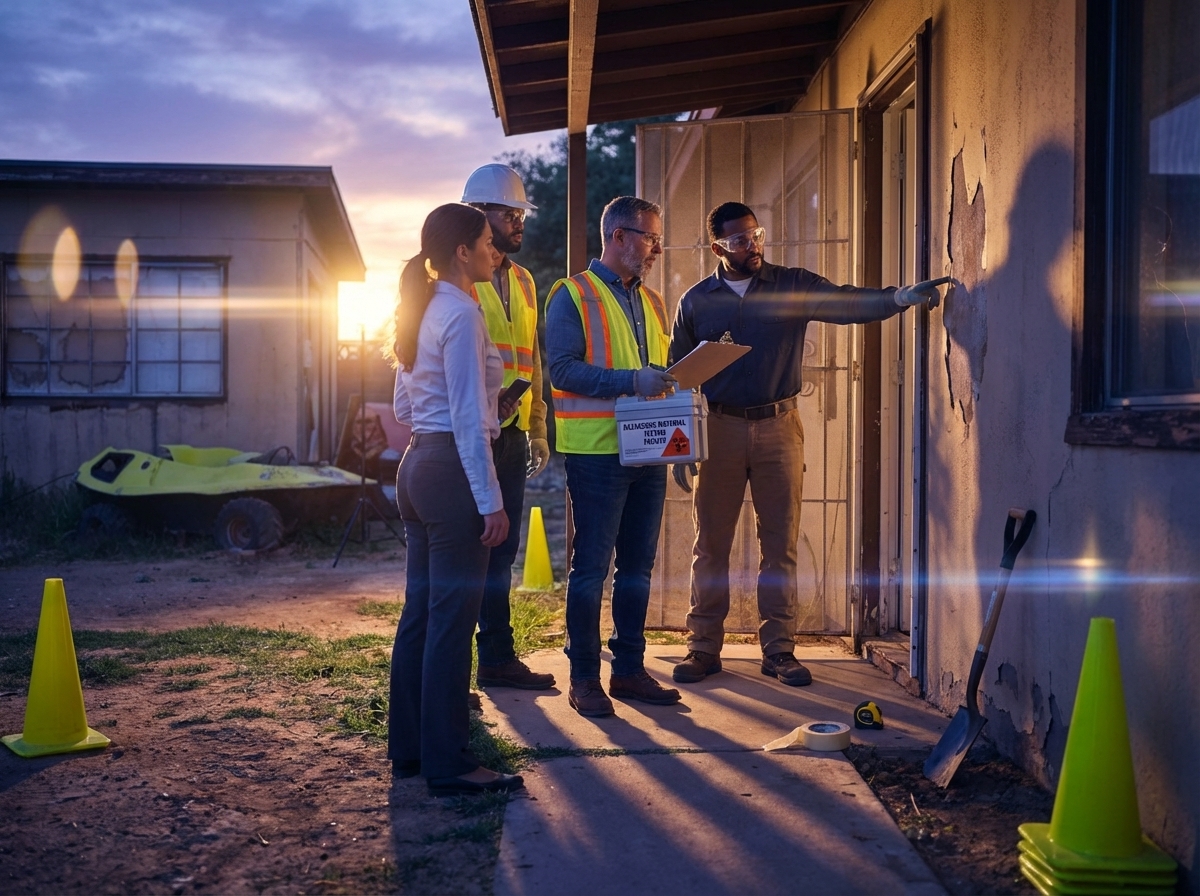
Asbestos isn’t the only hazard to watch out for. Mold and lead can pose significant risks during a renovation. Let’s explore how to identify and address these issues before they cause problems.
Mold Inspection Before Renovation
Mold can hide in places you wouldn’t expect, like behind walls or under floors. A thorough mold inspection before renovation is essential. Mold thrives in damp environments, so if you’ve had any water damage, it’s even more critical to inspect your property. Mold remediation in Arizona can be straightforward when detected early, preventing potential health problems and structural damage.
Lead Paint Testing Arizona Essentials
Lead paint is another hidden danger, especially in older homes. Testing for lead paint is crucial if you’re planning renovations. The good news is, lead paint testing in Arizona is a straightforward process. By identifying lead early, you can make informed decisions on how to safely address it, ensuring your home is safe for all occupants.
EPA RRP Certified Contractor Arizona Benefits
Why should you hire an EPA RRP certified contractor? These professionals are trained to handle renovations involving lead paint safely. They follow strict guidelines to minimize exposure during the renovation process. By choosing a certified contractor, you ensure compliance with federal regulations and protect your family from the dangers of lead dust.
Pre-Renovation Safety Measures
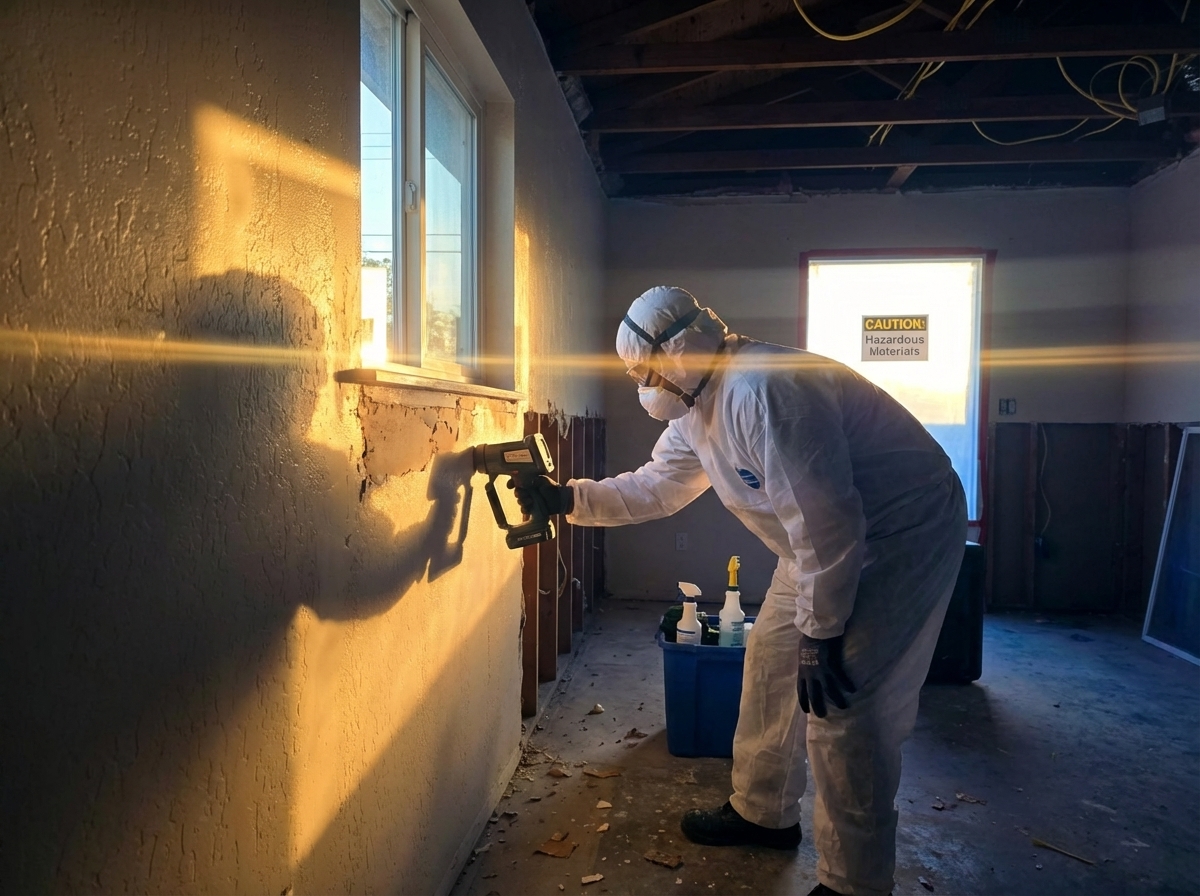
Now that you’re aware of potential hazards, it’s time to put safety measures in place. These steps will help you conduct a safe and successful renovation.
Creating a Renovation Hazard Assessment Arizona
A renovation hazard assessment is your blueprint for safety. Start by listing all potential hazards identified during inspections. This includes asbestos, mold, and lead. Consult with professionals to develop a plan that addresses each risk. This proactive approach can prevent accidents and ensure a smooth renovation process.
Implementing HEPA Filtration Containment
When dealing with asbestos or mold, containment is key. HEPA filtration containment systems are designed to trap harmful particles, preventing them from spreading. Implementing these systems ensures that your renovation site remains safe and clean. This is especially important when working in occupied buildings or homes.
Scheduling Clearance Testing Asbestos and Lead
Once your renovation is complete, clearance testing ensures that your space is free from hazardous materials. Clearance testing for asbestos and lead provides peace of mind, confirming that your property is safe to occupy. This final step is crucial for compliance and safety, ensuring your renovation project is a success.
In conclusion, taking the time to identify and address hidden hazards before starting your renovation can save you time, money, and stress. By understanding and implementing these safety measures, you can protect both your health and investment.