

How to Identify and Address Hidden Mold in Your Property: A Homeowner’s Guide
Hidden mold can lurk unseen behind walls or under flooring, quietly affecting your indoor air quality and your family’s health. If you’ve noticed a musty odor or unexplained moisture intrusion, it’s time to act before small issues escalate. This guide walks you through identifying hidden mold, safe first steps, and how licensed mold remediation in Arizona can restore your property. Contact Desert Valley Abatement for a thorough mold inspection in Phoenix and a clear plan to protect your home. For more information, you can also visit this guide on mold, moisture, and your home.
Recognizing Hidden Mold

Recognizing mold can be tricky since it often hides in places you don’t usually look. Let’s dive into how you can spot this silent invader before it wreaks havoc on your home.
Common Signs of Mold
Mold might start small, but it can grow into a big problem if left unchecked. Look for clues like a musty odor that seems to linger in the air. Is there a patch of discoloration on your wall that wasn’t there before? These are telltale signs. Even if you can’t see it, mold could be lurking in dark corners, behind furniture, or in less visited parts of your home. Be proactive; catching these signs early can save you from bigger headaches down the line.
In some cases, you might feel the effects before seeing them. If you’ve noticed an increase in allergy symptoms or respiratory issues in your household, it could be a red flag for mold. These health indicators are just as important as visual signs. So, keep your senses alert, and don’t ignore what your body might be telling you. Learn more about the signs of mold in your house here.
Areas Prone to Mold Growth
Certain spots in your home are mold magnets. Bathrooms, kitchens, and basements often top the list due to their higher moisture levels. Mold thrives where water meets warmth, so any place with poor ventilation is at risk. Even your attic isn’t safe if it’s not properly insulated.
Check under sinks, around windows, and near water heaters. Anywhere water flows is a potential breeding ground. Regular inspections of these areas can help you catch mold before it becomes a significant issue. Remember, mold can also hide behind walls or under flooring, making it more challenging to detect without close inspection.
Impact on Indoor Air Quality
The presence of mold can turn the air in your home from fresh to foul, impacting your health over time. You might not notice it immediately, but mold spores can infiltrate your HVAC system, spreading throughout your home. This can lead to respiratory issues, especially for those with allergies or asthma.
Maintaining good indoor air quality is crucial. A home free from mold means cleaner air and a healthier environment for your family. If you suspect mold, taking steps to address it quickly can prevent these issues from escalating.
Safe Initial Steps

Once you’ve identified potential mold, it’s time to take action. Addressing mold safely involves a few critical steps that set the stage for professional help.
Addressing Moisture Intrusion
The first step in your mold battle is stopping moisture at its source. Fix any leaks immediately—whether it’s a dripping pipe or a roof issue. Use dehumidifiers to keep moisture levels in check, especially in damp areas like basements.
Keeping your home dry disrupts the habitat mold needs to thrive. Remember, moisture is mold’s best friend. By cutting off its supply, you’re taking a vital first step in controlling its spread.
Using Negative Air Containment
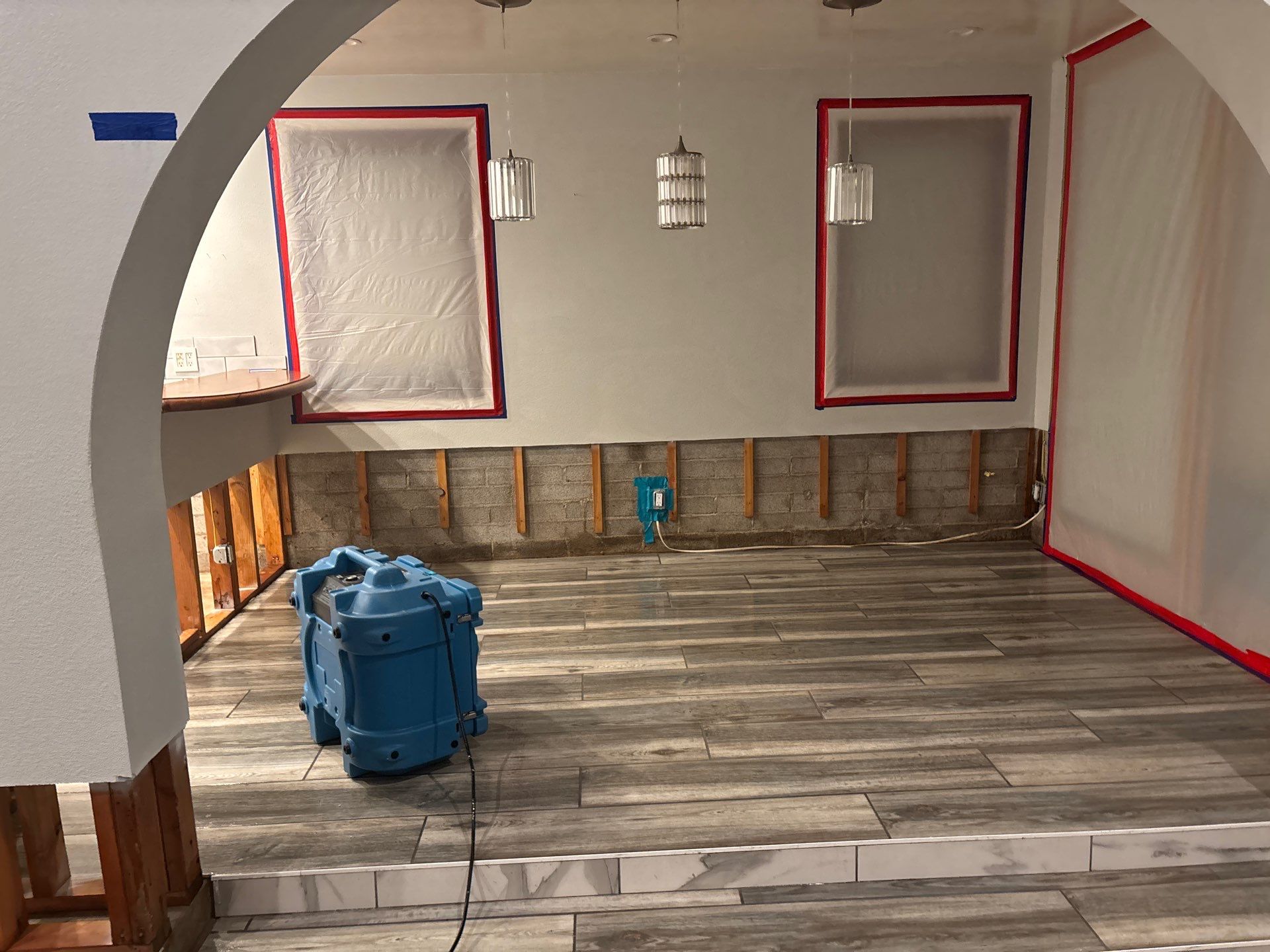
When dealing with mold, you don’t want spores traveling from one room to another. This is where negative air containment comes into play. This technique involves setting up barriers and using specialized equipment to create a vacuum effect. This keeps mold spores from migrating beyond the affected area.
If you’re tackling a small area, you might manage this step with some plastic sheeting and fans. But for anything more extensive, it’s best to consult professionals who can ensure containment is secure.
Importance of HEPA Filtration
HEPA filters are heroes in the fight against mold. These filters trap tiny particles, including mold spores, preventing them from recirculating through your home’s air. Using a vacuum with a HEPA filter can significantly reduce the number of spores during cleanup.
As part of maintaining a healthy indoor environment, regularly replace or clean these filters. Incorporating HEPA filtration ensures that your efforts in mold removal aren’t undone by lingering spores.
Professional Mold Remediation
You’ve handled the initial response; now, it’s time for the pros to step in. Professional remediation ensures your home is thoroughly treated and safe for your family.
Mold Inspection in Phoenix
Getting a professional mold inspection is critical. Experts have tools and techniques to detect mold even in hidden areas. If you’re in the Phoenix area, contact Desert Valley Abatement for a comprehensive assessment. They provide detailed insights into the extent of your mold problem and recommend effective solutions.
Professional inspections can reveal underlying issues you might miss, such as mold behind walls or under flooring. This thorough approach ensures every corner of your home is checked and safe.
Licensed Abatement Contractor Benefits
Hiring a licensed abatement contractor offers peace of mind. These professionals follow strict safety protocols, ensuring the safe removal of mold without further contaminating your home. They also handle the complexities of selective demolition if it’s necessary to remove affected materials.
Licensed contractors bring specialized equipment and expertise to the table, which makes a significant difference in the remediation process. Trusting them means your home is in capable hands, and you’re protected from potential health hazards.
Post-Remediation Verification
Once remediation is complete, verification ensures the job was done right. This step includes clearance testing to confirm that mold levels are safe and your home is mold-free. A documentation packet detailing the entire process provides assurance and helps with any future property transactions.
Verification gives you the confidence that your home is safe for your family. It’s the final step in restoring your property to a healthy state. By following through with this step, you ensure long-term peace of mind.
In summary, recognizing and addressing hidden mold involves understanding common signs, taking initial safety steps, and letting professionals handle the cleanup. By keeping a vigilant eye on moisture and utilizing expert help, you protect your home and health. For a thorough mold inspection and a clear plan, contact Desert Valley Abatement to safeguard your property.