
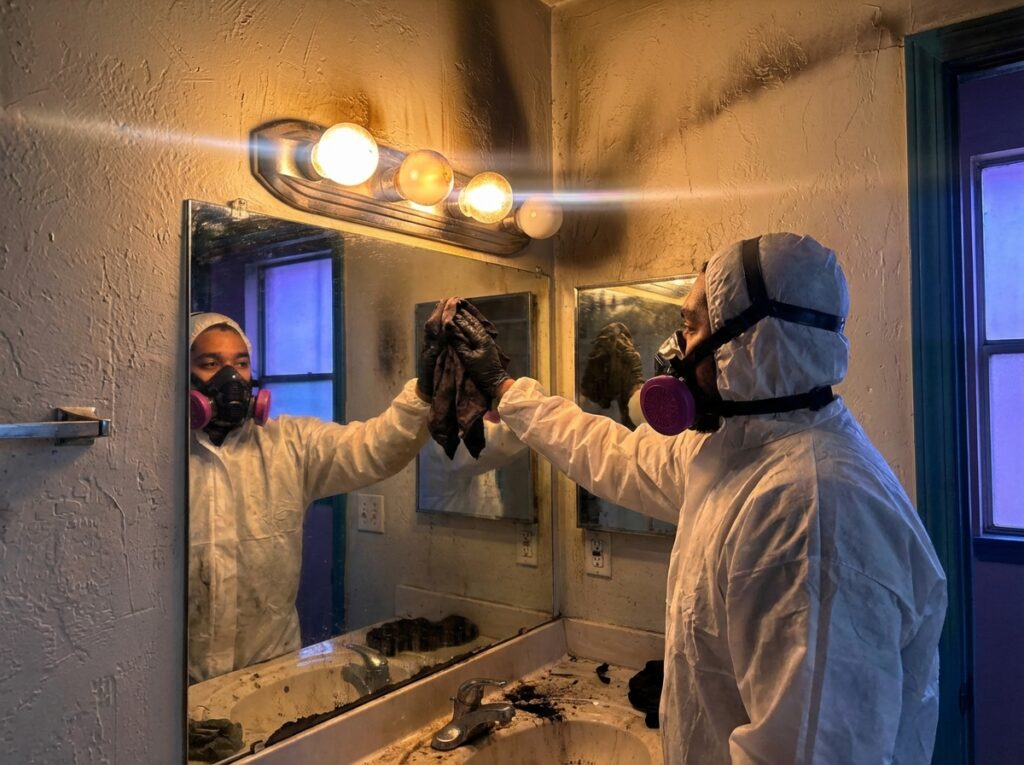
From Assessment to Recovery: A Clear Guide to Fire Damage Restoration in Arizona
Fire damage leaves more than charred walls—it creates hazards that demand careful handling from the first moment. Your path to full recovery starts with a thorough fire damage assessment that identifies risks and outlines a clear plan. In this guide, you’ll find practical steps covering every stage of fire damage restoration Arizona homeowners and managers need to know, including smoke odor removal, soot cleanup, and corrosion control after fire. Contact Desert Valley Abatement to schedule a site assessment and get a transparent, documented scope of work tailored to your property’s needs.
Initial Fire Damage Assessment
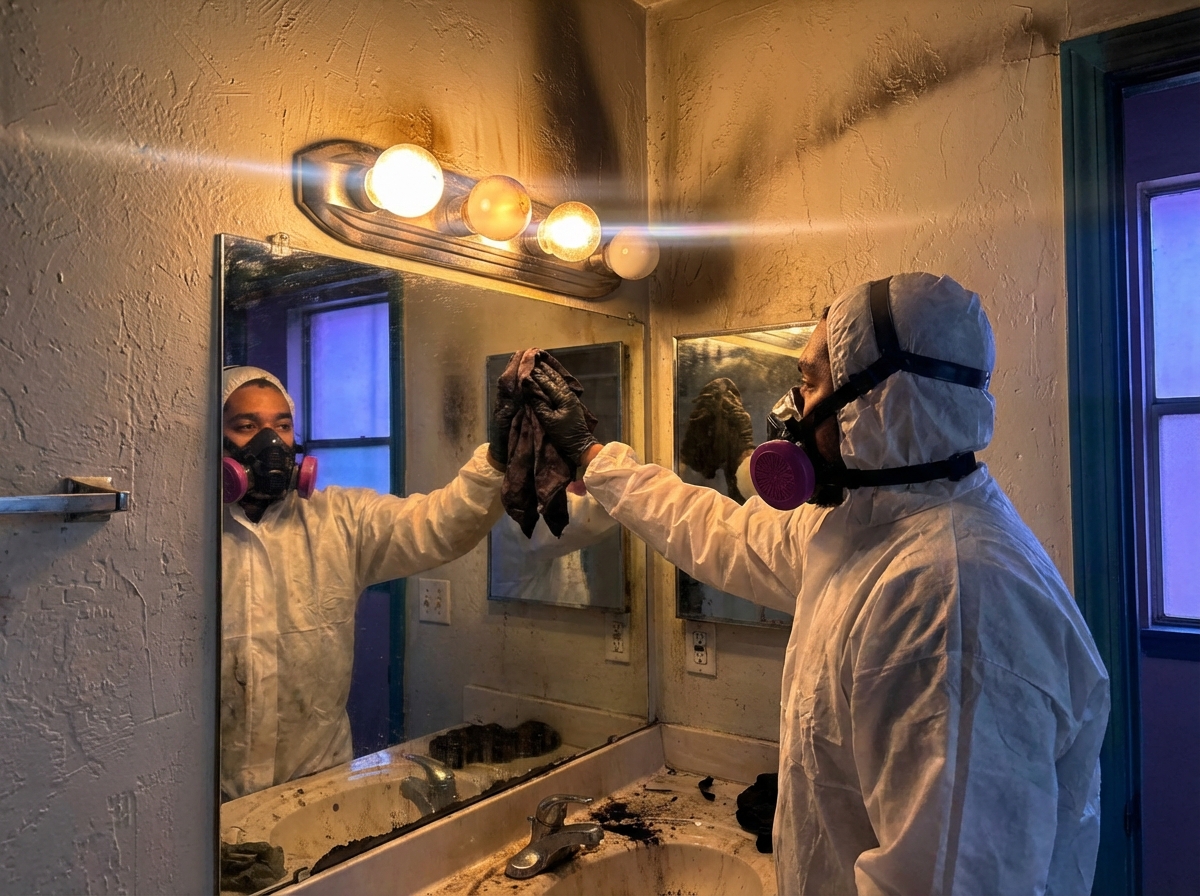
Before diving into recovery, a detailed assessment lays the groundwork. This process pinpoints structural issues, hazardous materials, and the extent of damage. Let’s explore the crucial steps involved.
Evaluating Structural Safety
The first step in any fire restoration process is checking if the building is safe to enter. You need to know if the walls, floors, and roof can hold up. Experts use tools and techniques to assess these areas. They look for weak spots that might collapse. This is crucial for everyone’s safety.
Once they determine the structure is stable, the next steps can proceed. This evaluation helps prevent further damage. It also ensures that repair work can be done safely. You wouldn’t want to risk starting repairs only for part of the building to fall.
Identifying Hazardous Materials
After securing the structure, the next task is to locate any dangerous materials. Fire can release harmful substances into the air. For instance, asbestos can be present in older buildings. Identifying these materials early is vital for safe removal.
Professionals use specialized equipment to detect these hazards. They then plan how to handle them without causing more harm. Proper identification ensures that the restoration process can continue smoothly. It also protects everyone from potential health risks.
Comprehensive Damage Documentation
Documenting damage is more than just a formality; it guides the recovery process. Detailed records help in planning repairs. They also assist in insurance claims. Photos, videos, and written notes capture the full scope of damage.
This documentation becomes a roadmap for restoration. It highlights what needs immediate attention and what can wait. With this clear picture, you can prioritize tasks effectively. It also aids in communicating with insurance companies, ensuring you get the coverage you need.
Restoration and Remediation Process
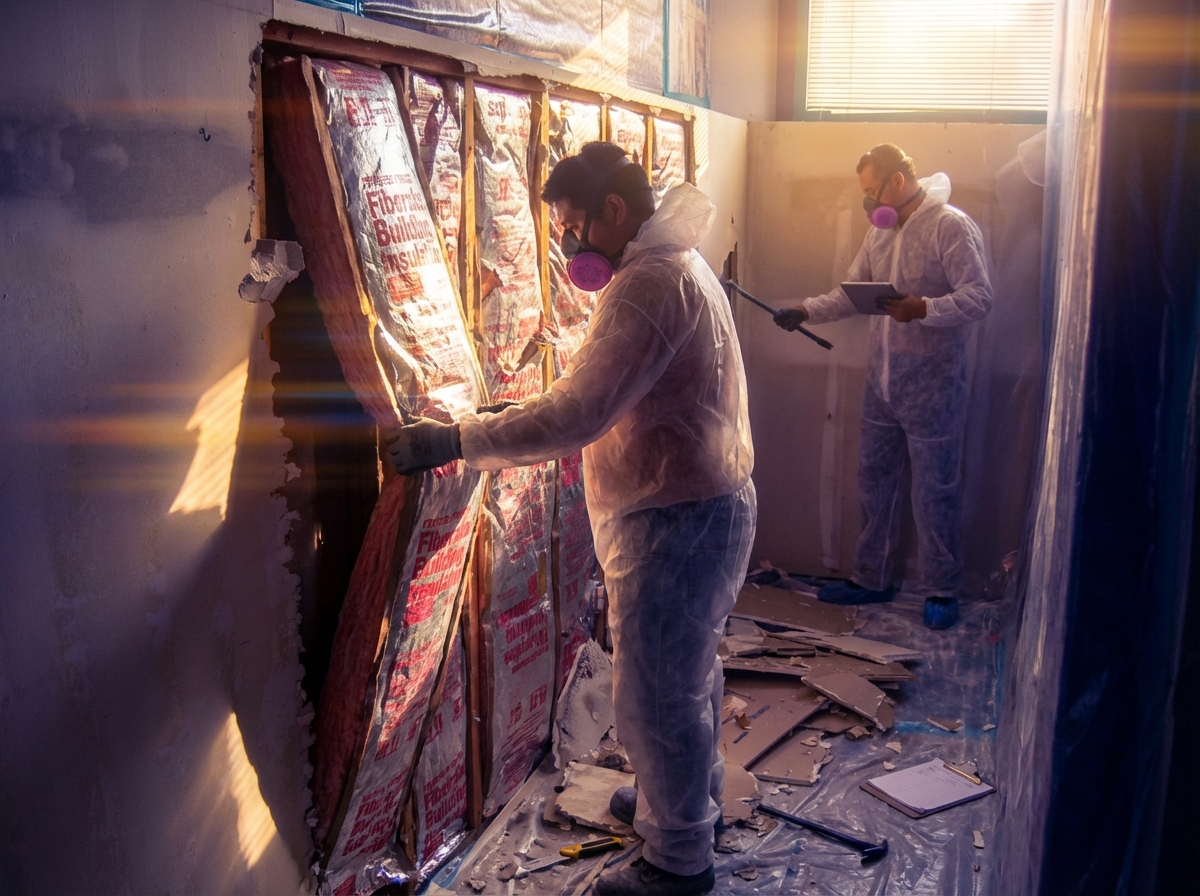
With a clear assessment in hand, the focus shifts to cleaning and repairing. This phase addresses the physical remnants of the fire, from soot to corrosion. Each step is essential to restore your space.
Soot and Smoke Residue Cleanup
Soot and smoke can linger, causing odors and health issues. The goal is to remove these residues completely. Professionals use special vacuums and cleaning agents to scrub surfaces. This process can be time-consuming but is necessary for a clean environment.
High-touch areas such as walls and ceilings often need deep cleaning. Soft items like carpets and furniture may require more delicate handling. Removing soot and smoke ensures the air is safer to breathe and the property feels like home again.
Corrosion Control for Metals and Electronics
Fire can also cause metal and electronic items to corrode. This happens when soot and smoke react with these materials, causing damage over time. Addressing corrosion quickly can save many items from ruin.
Experts apply treatments to neutralize corrosive elements. This not only saves your gadgets but also prevents further damage. By acting fast, you can often restore many items to working order. It’s a critical step in the recovery process, preventing long-term losses.
HVAC Cleaning and Odor Neutralization
Your heating and cooling systems can spread smoke odors throughout your home. Cleaning these systems is crucial. Technicians will inspect and clean ductwork, removing soot and other residues. This helps ensure that the air circulating in your home is fresh.
Odor neutralization goes hand in hand with HVAC cleaning. Special deodorizers are used to eliminate smoke smell. This step is essential for restoring comfort. Once completed, your home will smell clean, not like smoke.
Final Recovery Steps
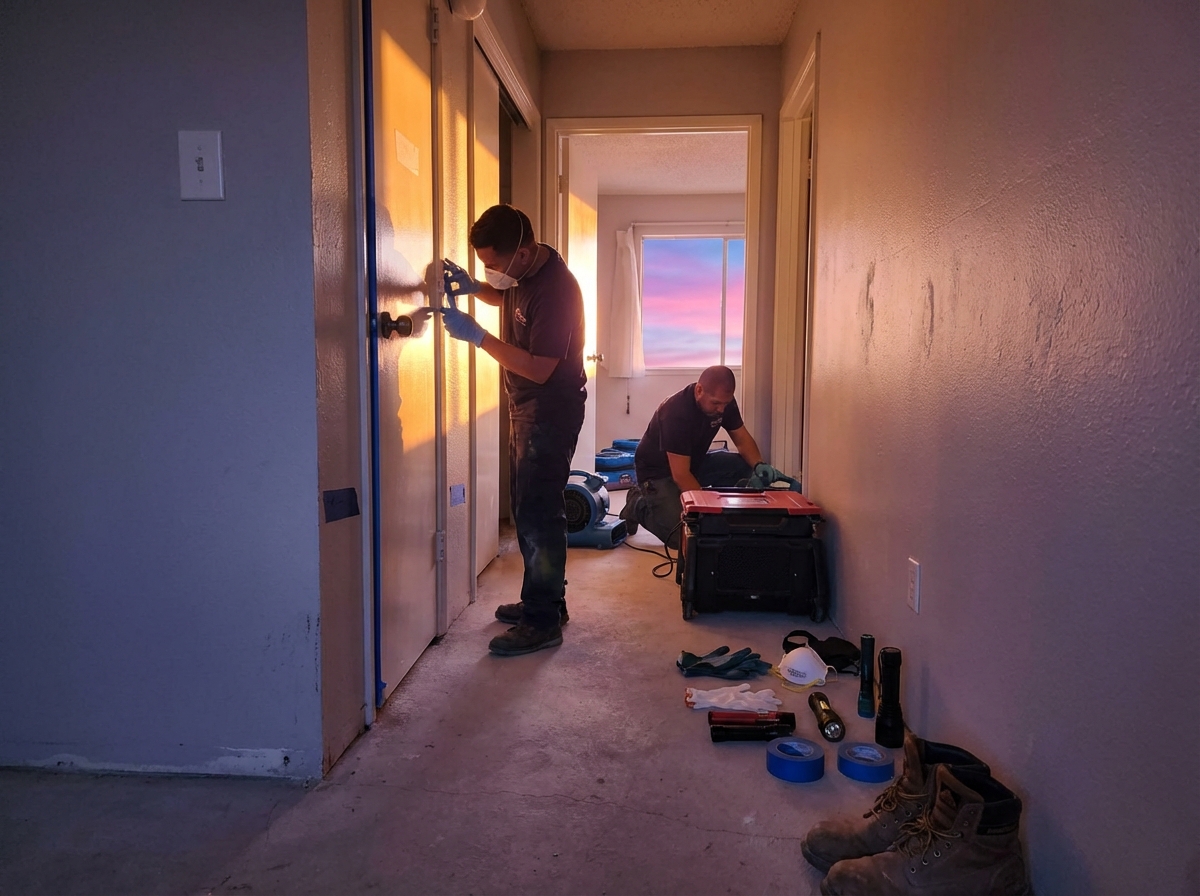
The last phase focuses on restoring normalcy. These steps wrap up the recovery process, ensuring your space is both functional and safe.
Selective Demolition and Structural Cleaning
Sometimes, parts of a building are too damaged to save. Selective demolition removes only these sections, leaving the rest intact. This approach is both efficient and cost-effective. It allows for targeted repairs without unnecessary destruction.
After demolition, structural cleaning removes any remaining debris. This step prepares the area for rebuilding. It’s a meticulous process but vital for a solid foundation moving forward. Once complete, you can focus on rebuilding and redesigning.
Contents Cleaning and Pack-Out
Many personal items can be saved with the right care. Contents cleaning involves restoring these belongings. Each item is assessed for damage, then cleaned or repaired. This step helps preserve memories and personal treasures.
In some cases, items need to be packed and stored during repairs. This protects them from further damage. Once your home is ready, these items can be returned. It’s a careful process, making sure nothing is lost or damaged further.
Insurance Documentation and Claims Support
The final step involves dealing with insurance claims. Comprehensive documentation from earlier stages supports your claim. Experts can help organize and present this information effectively. This ensures you receive fair compensation.
Having a detailed record speeds up the claims process. It also helps in negotiating with insurance companies. With proper support, you can navigate this complex process smoothly. This way, you can focus on rebuilding instead of paperwork.
In conclusion, fire damage restoration is a multi-step process requiring expertise at each stage. From initial assessment to final recovery, every step is crucial for a safe, functional, and comfortable home. By partnering with experienced professionals, you ensure each phase is handled efficiently and effectively, paving the way for a successful restoration.