
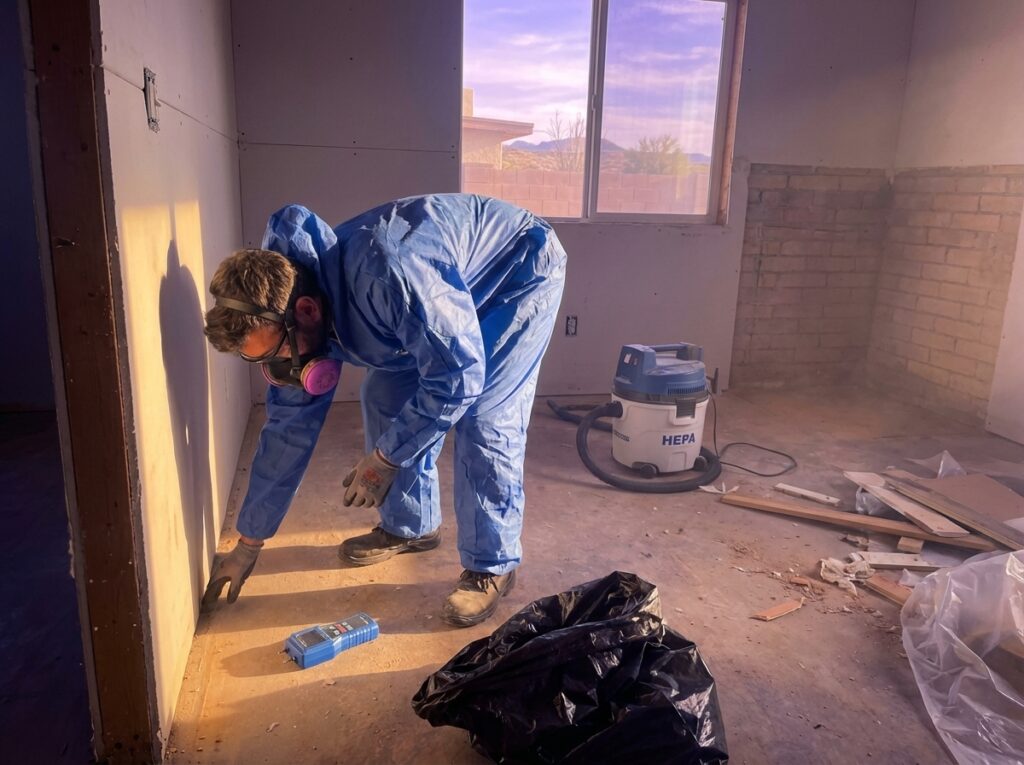
Before You Demo: How to Spot Hidden Asbestos, Mold, and Lead in Arizona Homes and Buildings
Renovations can uncover more than just old wiring and worn floors—they often reveal hidden dangers like asbestos, mold, and lead. In Arizona, these hazards hide in common materials such as popcorn ceilings, vermiculite insulation, and old floor tiles. Knowing when to arrange Arizona asbestos testing or lead paint testing before renovation can protect your health and keep your project on track. This guide shows you how to spot risks early and meet ADEQ compliance with confidence. For more information, visit here.
Identifying Hidden Hazards
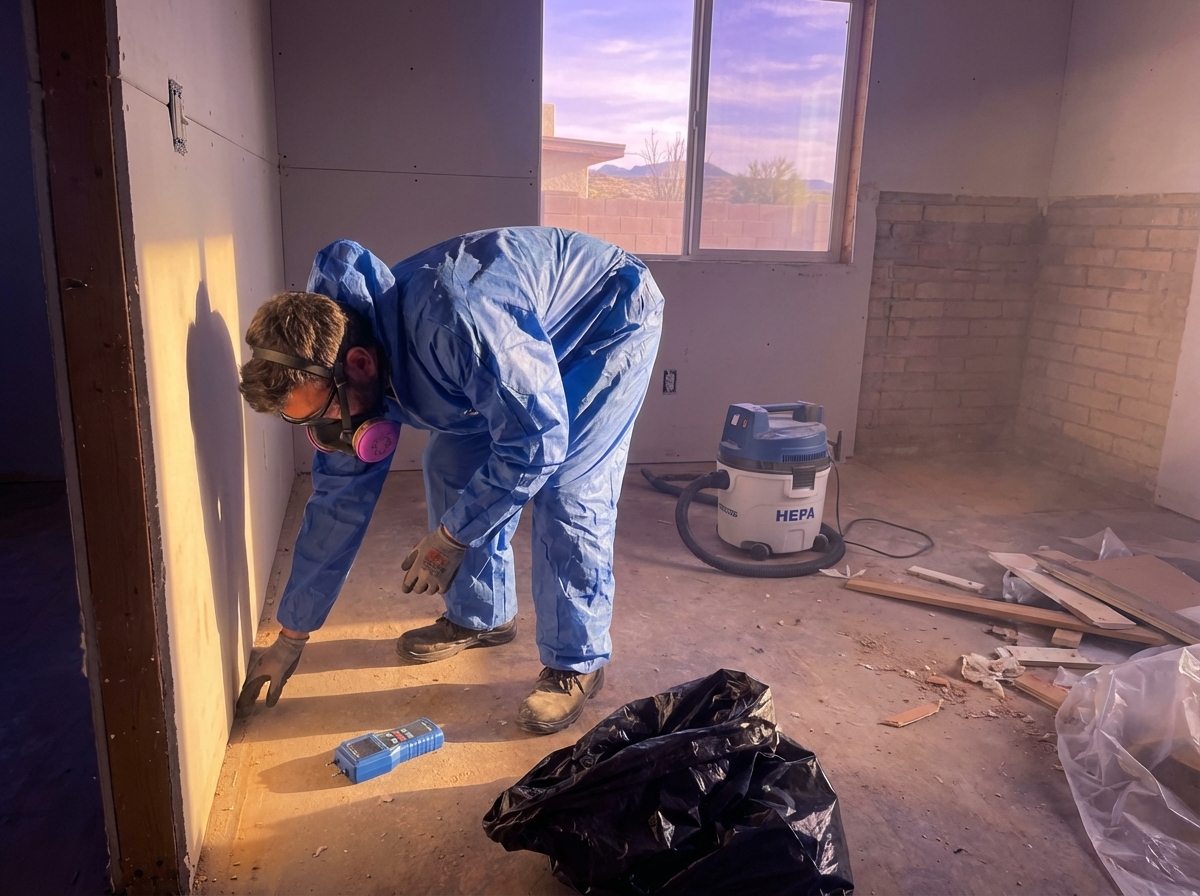
Understanding the hidden dangers in your home is crucial before starting any renovation. These dangers can include asbestos, mold, and lead. Let’s explore how you can identify these hazards early and make informed decisions.
Arizona Asbestos Testing Tips
When it comes to renovations, knowing whether your property contains asbestos is crucial. Asbestos is often found in older homes, especially those built before the 1980s. If your home falls into this category, consider arranging for professional testing. An expert will take samples from materials like popcorn ceilings, flooring, and insulation. Accurate testing can help you determine if asbestos is present and if you need removal services. This is vital for maintaining safety and compliance with regulations. The longer you wait, the higher the risk of exposure.
Recognizing Mold Before Renovation
Mold can silently spread in hidden areas, posing health risks to your family. Before starting any renovation, inspect moisture-prone areas like bathrooms, basements, and kitchens. Look for visible signs of mold, such as discoloration or musty odors. A professional inspection can pinpoint areas that need attention. Mold thrives in damp conditions, so controlling moisture is key. Early detection allows you to take corrective measures before mold becomes a larger problem. This proactive approach can save time and money during your renovation.
Lead Paint Testing Essentials
Lead paint is another common hazard in older homes. If your home was built before 1978, lead paint might be lurking beneath layers of newer paint. Testing for lead is essential to avoid health risks, especially for children. A certified professional can conduct a lead test, identifying areas that require attention. If lead is present, proper removal and disposal are necessary to ensure safety. This testing is a small step that can make a significant difference in protecting your family.
Common Hazardous Materials
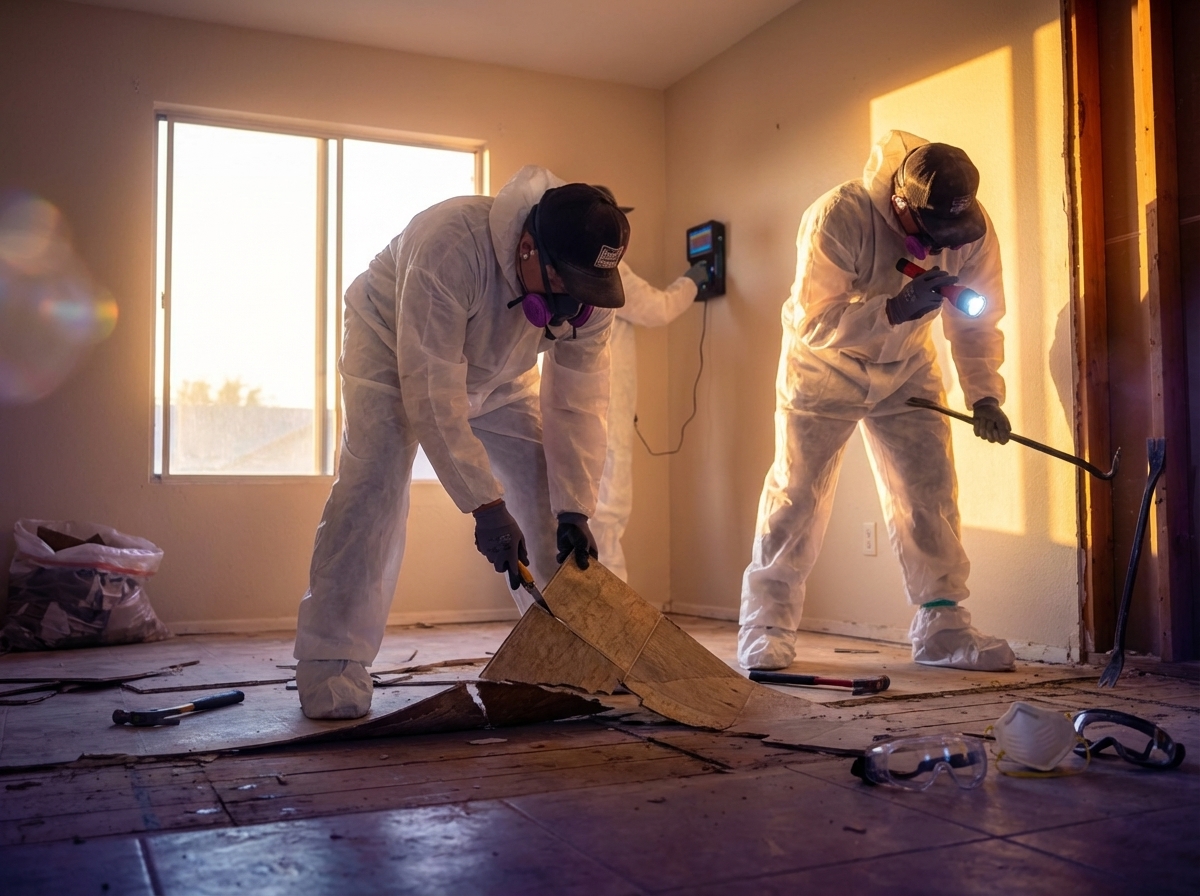
Knowing which materials may contain hazards helps in planning safe renovations. Learn where asbestos, mold, and lead might be hiding in your home.
Asbestos in Popcorn Ceilings and Beyond
Popcorn ceilings are a common source of asbestos. If your home has these ceilings, testing is recommended. Removing asbestos-containing materials without proper precautions can release harmful fibers into the air. It’s not just ceilings: old floor tiles and insulation can also contain asbestos. Identifying and addressing these materials can prevent exposure and potential health issues.
Dealing with Vermiculite Insulation
Vermiculite insulation is another material that may harbor asbestos. Often found in attics, this insulation can pose risks if disturbed. Before renovating, have this material tested by a professional. If asbestos is present, safe removal is necessary to protect your health. Ignoring this step can lead to contamination and costly cleanup later.
Identifying Asbestos Floor Tile and Mastic
Old floor tiles and the adhesive (mastic) used to hold them can contain asbestos. If your renovation plans involve removing old flooring, testing is crucial. Asbestos-containing tiles should be handled carefully to avoid releasing fibers. Professional abatement ensures safe removal and peace of mind. Identifying these materials early can streamline your renovation process and keep it on track.
Compliance and Safe Practices
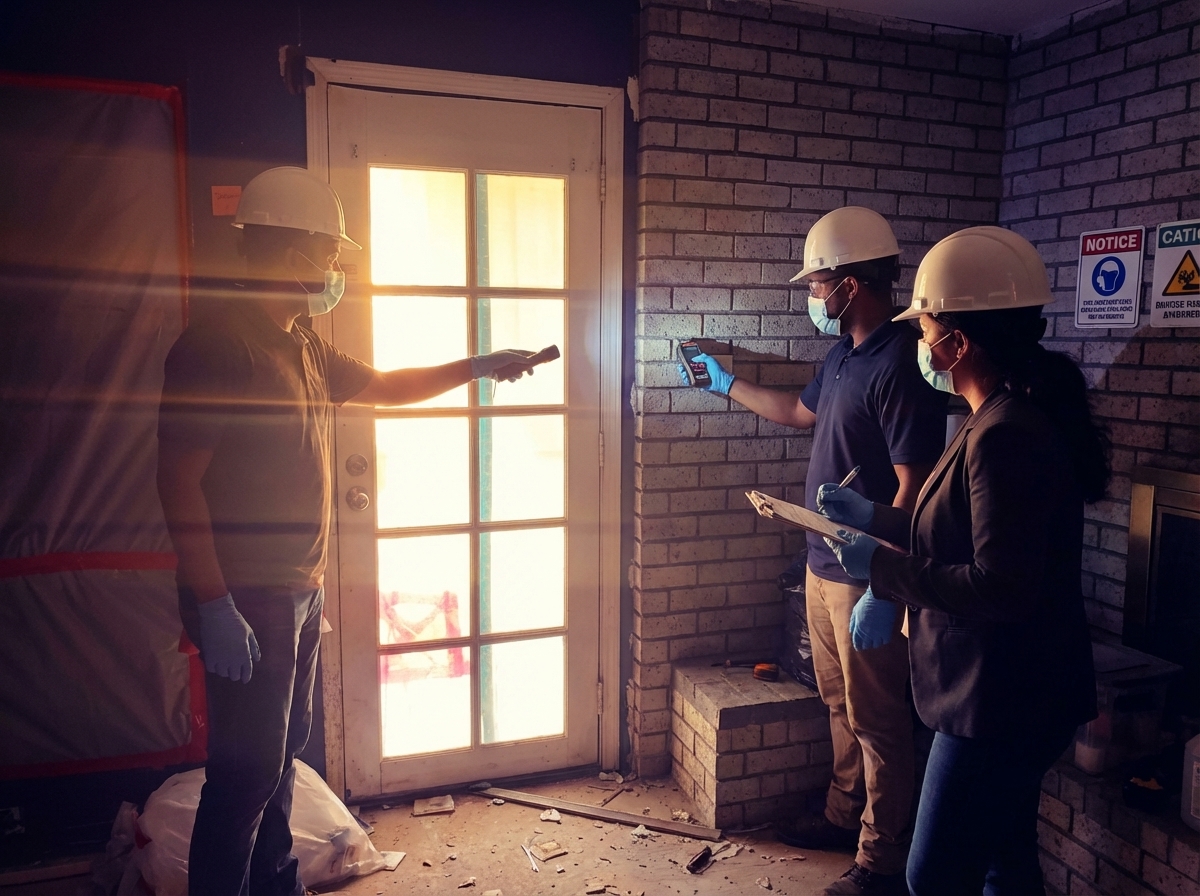
Understanding and following compliance guidelines is essential for a safe renovation. Let’s explore how you can navigate these regulations effectively.
Navigating ADEQ Compliance
Arizona Department of Environmental Quality (ADEQ) regulations play a crucial role in safe renovations. Understanding these guidelines can ensure your project complies with state laws. Proper testing and documentation are necessary steps in this process. Staying informed about ADEQ regulations helps avoid fines and project delays. Familiarizing yourself with these rules can safeguard your renovation from unexpected hurdles.
ADOSH Asbestos Regulations Overview
Arizona Department of Occupational Safety and Health (ADOSH) has specific regulations for handling asbestos. Compliance with these regulations is vital for safe and legal renovations. This involves proper handling, removal, and documentation of asbestos materials. Understanding ADOSH regulations ensures that your renovation meets safety standards and protects workers and residents. Ignoring these rules can lead to legal issues and health risks.
Effective Mold Remediation Containment
Containment is key in mold remediation. Proper containment prevents mold spores from spreading during removal. A professional approach ensures affected areas are isolated and treated effectively. Using HEPA filters and protective barriers can significantly reduce contamination risks. Effective containment practices safeguard your home and health, leading to a successful mold remediation process.
By understanding these hazards and compliance practices, you can approach your renovation with confidence and safety. Remember, proactive measures today can prevent significant health risks and costs in the future.