
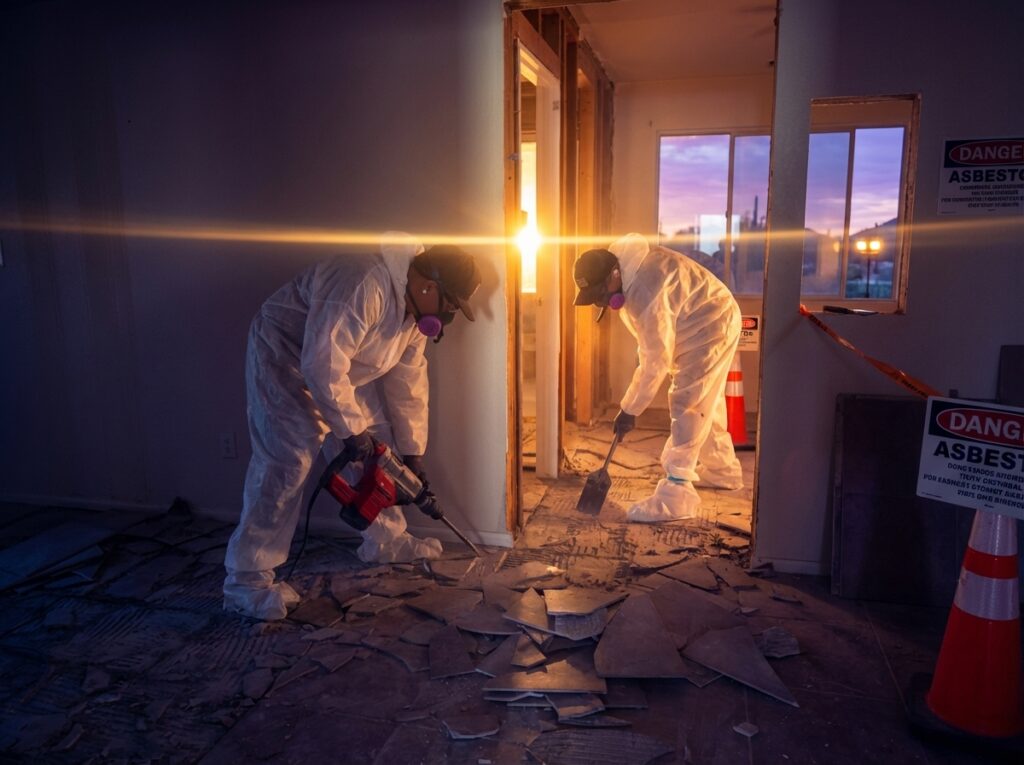
Asbestos Abatement in Arizona: Safety Protocols, Regulations, and a Property Owner’s Checklist
Asbestos abatement in Arizona demands more than just removal—it requires strict adherence to safety protocols and regulatory steps that protect your property and everyone inside. Missing a notification or skipping proper containment can lead to costly fines and health risks. This guide lays out exactly what you need to know—from local ADEQ asbestos regulations to clearance air testing—so you can manage the process confidently and stay compliant. Keep reading to learn how to safeguard your space and work with a licensed Arizona asbestos contractor like Desert Valley Abatement. Learn more about safety and compliance here.
Understanding Asbestos Regulations
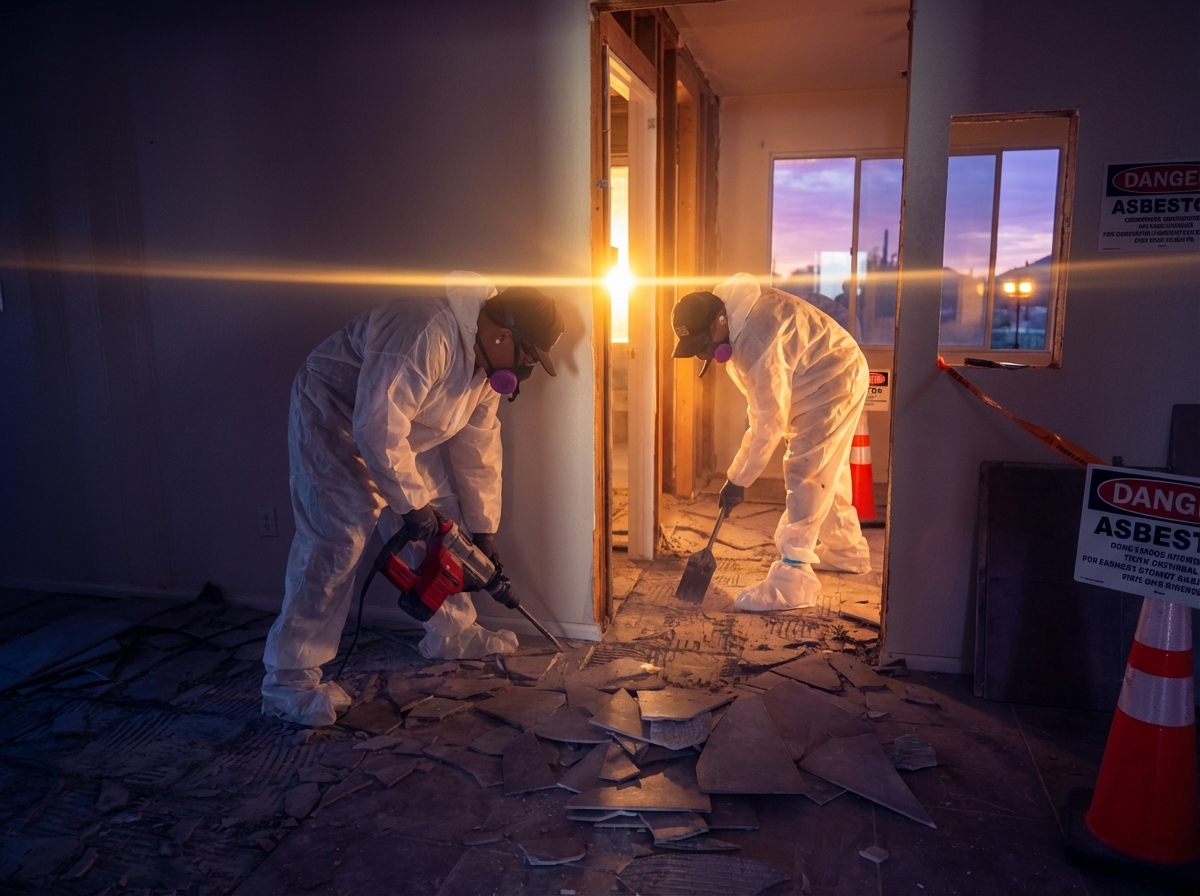
Navigating the complex world of asbestos regulations is crucial for Arizona property owners. Understanding the guidelines can save you from costly fines and ensure a safe environment.
Arizona Asbestos Abatement Guidelines
In Arizona, specific rules govern how asbestos must be handled. You might wonder why these guidelines are so critical. They exist to protect you and the community from health risks. The Arizona Department of Environmental Quality (ADEQ) maintains these regulations, ensuring that all asbestos abatement projects meet safety standards. Homeowners and contractors must notify authorities before beginning any work involving asbestos. This notification is a key step to remain compliant and avoid penalties.
Navigating ADEQ Asbestos Regulations
The ADEQ regulations can seem overwhelming, but they are designed to protect public health. You may ask, what are the key points to focus on? For one, always ensure that only trained professionals handle asbestos. They know how to manage the material safely and legally. Moreover, having a clear understanding of the ADEQ guidelines will help you in planning and executing asbestos abatement projects with confidence.
Maricopa and Pima County Rules
Local rules in Maricopa and Pima counties add another layer to the regulatory framework. Building owners must be keenly aware of these local regulations to maintain compliance. Thinking that state regulations cover everything is a common misconception. Instead, each county may have additional requirements, such as specific notification processes. Staying informed about these local rules ensures that your project proceeds without unnecessary delays or fines.
Safe Asbestos Abatement Practices
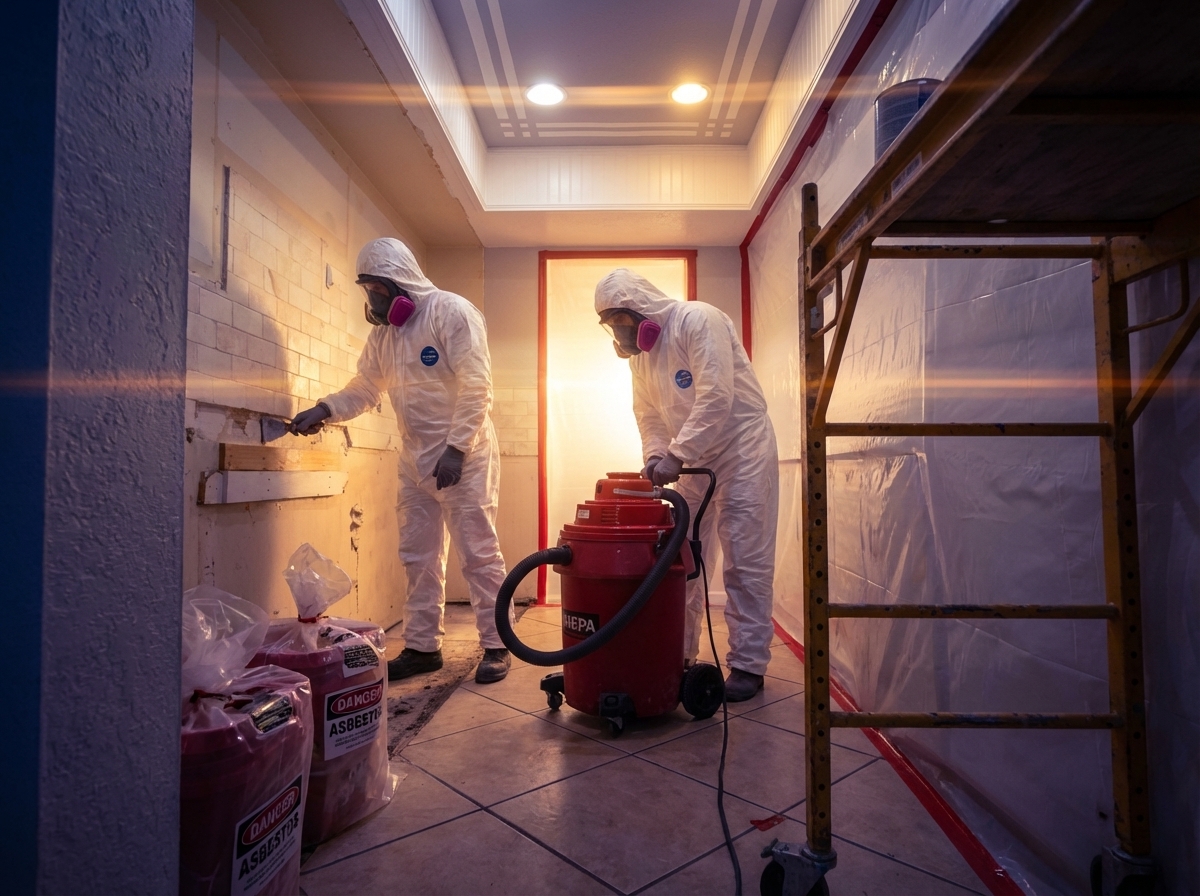
Once you understand the regulations, implementing safe practices is the next step. These practices are essential for protecting everyone involved in the abatement process.
Importance of Negative Air Containment
Why is negative air containment important? It prevents asbestos fibers from spreading, ensuring the safety of both workers and building occupants. This containment system uses specialized equipment to create a controlled environment. By maintaining a lower air pressure inside the work area, it prevents contaminated air from escaping. This method is especially crucial in densely populated areas, where the risk of exposure is higher.
HEPA Filtration and PPE Essentials
HEPA filtration systems are a cornerstone of asbestos safety. They trap even the smallest asbestos fibers, making them indispensable for any abatement project. Personal protective equipment (PPE) is equally important. Workers must wear respirators, protective suits, and gloves. These precautions minimize the risk of exposure, providing peace of mind that safety is prioritized. It’s not just about compliance; it’s about ensuring that everyone goes home safe.
Asbestos Encapsulation vs Removal
When dealing with asbestos, you have two primary options: encapsulation or removal. Encapsulation involves sealing asbestos materials to prevent fiber release. Removal, on the other hand, eliminates the hazard completely. Which option is best? It depends on the condition of the asbestos and the specific circumstances of your project. Encapsulation might be suitable for materials in good condition, while removal is often necessary for damaged asbestos. Consulting a professional can help you make an informed decision based on your unique situation.
Effective Abatement and Documentation
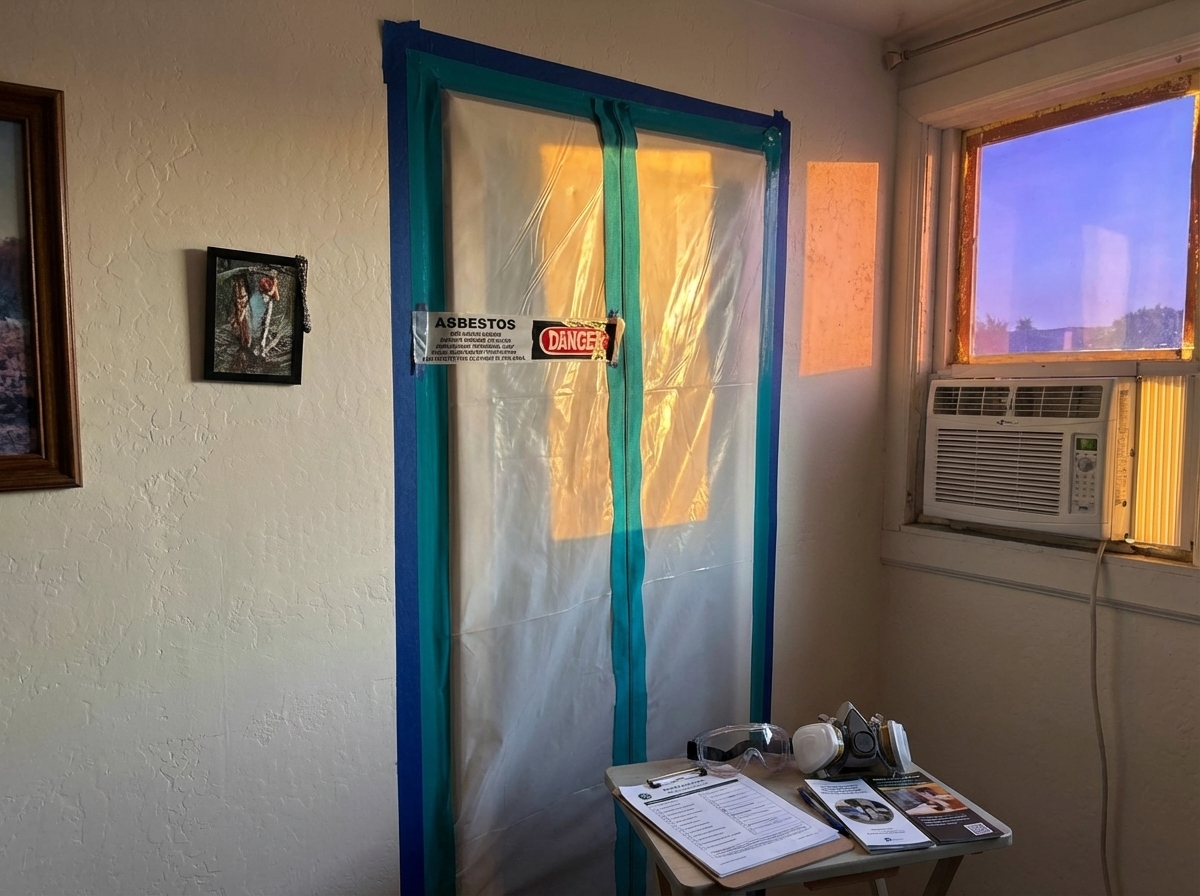
Proper documentation is as important as the abatement process itself. It provides a record of compliance and can protect you in case of future inquiries or inspections.
Comprehensive Asbestos Project Documentation
Documenting every step of your asbestos project is crucial. Why? It ensures transparency and accountability. This documentation typically includes inspection reports, abatement plans, and disposal records. Having detailed records not only demonstrates compliance but also provides peace of mind. In the event of an audit or legal inquiry, having comprehensive documentation can be your best defense.
The Role of Asbestos Clearance Air Testing
Clearance air testing is the final step in ensuring a site is safe post-abatement. This test measures airborne asbestos fibers to confirm that the abatement was successful. Conducting this test is not just a formality; it is a crucial step in verifying that the area is safe for reoccupation. Relying on professional testing services ensures that the results are accurate and reliable, preventing potential health risks.
Waste Packaging and Asbestos Disposal in Arizona
Proper disposal of asbestos waste is non-negotiable. In Arizona, specific guidelines dictate how asbestos waste should be packaged and disposed of. Non-compliance can lead to significant penalties. Waste must be double-bagged in approved containers and labeled correctly. Choosing a licensed disposal facility is essential to handle the waste legally and safely. Following these steps not only keeps you compliant but also contributes to the greater goal of environmental safety.
By understanding and implementing these practices, you can confidently manage asbestos abatement in Arizona. Maintaining compliance with regulations and prioritizing safety ensures a successful project, protecting both your investment and the well-being of all involved.