
Asbestos Abatement in Arizona: A Practical Guide to Safety, Compliance, and Process
Most asbestos abatement projects in Arizona stumble over complex regulations and unclear processes. If you’re managing a property or planning renovation, missing a step can cost time and safety. This guide breaks down what you need to know—from NESHAP compliance to asbestos containment—so you can move forward with confidence and keep your site secure. For more detailed information, you can visit Desert Valley Abatement’s practical safety guide.
Understanding Asbestos Abatement in Arizona
Understanding asbestos abatement in Arizona requires a clear roadmap. This knowledge ensures your project meets all legal standards while maintaining safety.
Navigating Regulatory Requirements
Navigating the regulatory maze of asbestos abatement is crucial. The first stop is understanding the local rules. In Arizona, the Arizona Department of Environmental Quality (ADEQ) plays a central role. Their guidelines ensure that asbestos removal is safe and compliant. You can learn more about specific ADEQ requirements here.
Next, don’t overlook the National Emission Standards for Hazardous Air Pollutants (NESHAP). These rules are federal and focus on air quality during asbestos removal. They mandate specific practices to reduce airborne asbestos fibers. Ignoring them can lead to significant penalties.
Remember, each step you take should be double-checked against Maricopa County’s air quality standards. Their local rules are an added layer of compliance to ensure clean air in the community. For the complete details, visit Maricopa County’s website.
Safety Protocols and Risk Management
Safety is non-negotiable in asbestos work. Start by assessing the site for potential risks. A thorough understanding of the environment helps in planning effective containment strategies. These strategies are essential to prevent asbestos fibers from spreading.
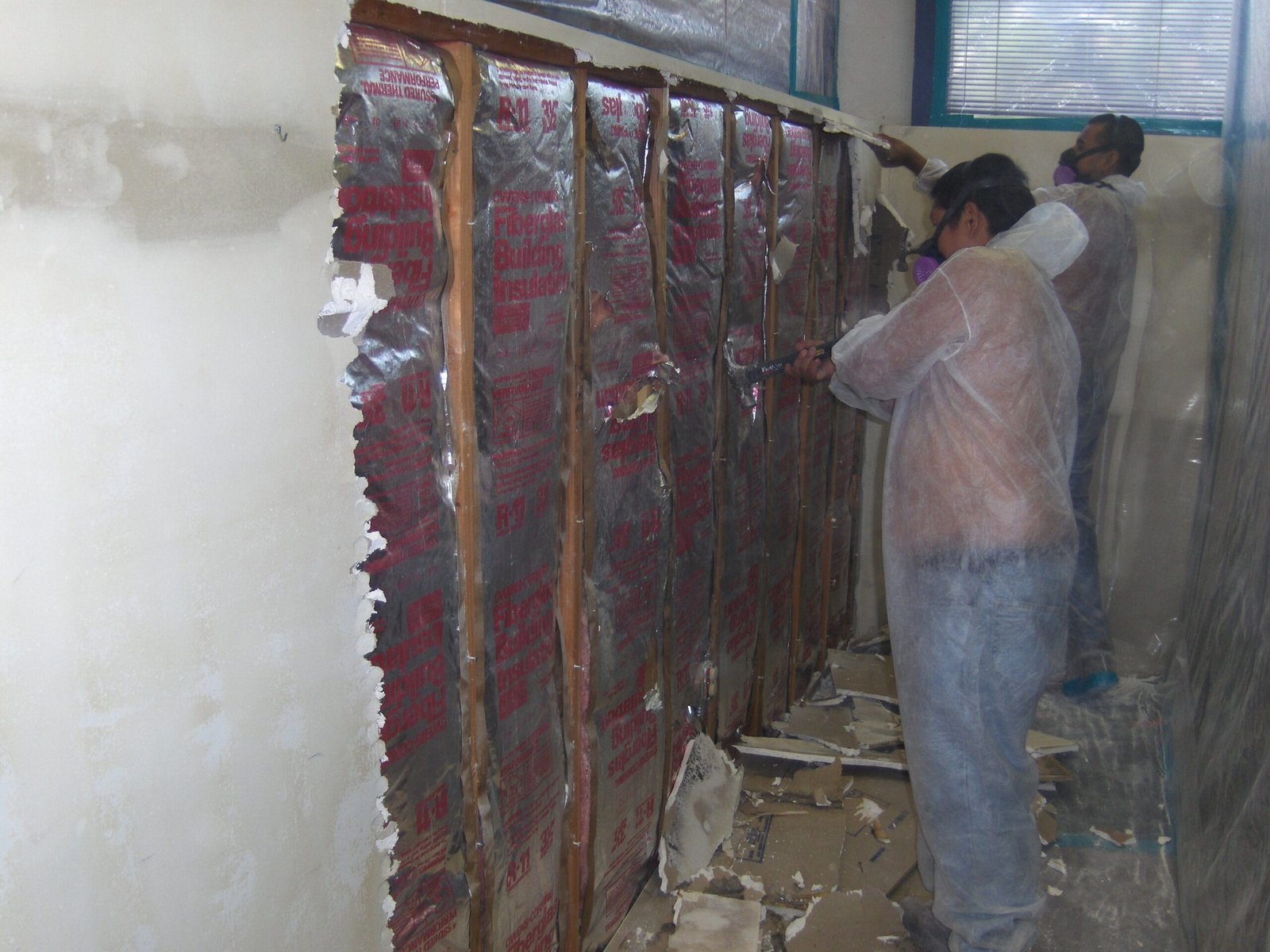
Personal protective equipment (PPE) is your first line of defense. Ensure that everyone on-site uses adequate protection, including respirators and protective suits. This gear protects against inhalation and skin contact.
Additionally, establish a clear evacuation plan. Knowing how to respond in an emergency protects workers from unforeseen dangers. Regular drills ensure everyone knows their role if things go wrong.
Key Steps in the Abatement Process
The abatement process is a series of interconnected steps. First, conduct an asbestos survey. This survey identifies the presence and quantity of asbestos. Proper testing is critical and must be done by certified professionals.
Once you have the results, it’s time to plan containment. Containment involves setting up barriers to isolate asbestos areas. This step ensures that fibers don’t escape into surrounding environments.
Finally, the actual removal can begin. This stage requires precision and expertise. It’s not just about removing materials but doing so in a way that prevents contamination. Post-abatement clearance testing confirms that the area is safe.
Compliance and Documentation Essentials
Now that you know the process, let’s dive into the paperwork. Compliance and documentation are as crucial as the abatement work itself.
NESHAP and AHERA Guidelines
Compliance begins with NESHAP and the Asbestos Hazard Emergency Response Act (AHERA). NESHAP guidelines are primarily concerned with reducing air pollution from asbestos. They dictate how asbestos is handled, from removal to disposal.
AHERA, on the other hand, is more specific to schools. It requires that educational institutions have an asbestos management plan. These plans include regular inspections and updates on asbestos status. You can read more about AHERA guidelines in this resource.
ADEQ and Maricopa County Notifications
Don’t forget about local notifications. ADEQ requires notification before starting any asbestos-related work. This notification ensures that your project is on their radar and compliant with state laws.
Maricopa County also requires notifications for projects within its jurisdiction. Following their process helps avoid fines and project delays. For further guidance, consult Maricopa County’s regulations.
Comprehensive Project Documentation
Documenting your project is not just about ticking boxes. Comprehensive documentation provides proof of compliance and a record of every step taken during the project. This documentation includes surveys, permits, and clearance reports.
Keep detailed records of all communications and actions taken. These records build a defensible position if any questions about compliance arise. This attention to detail is your best defense against potential fines or legal issues.
Selecting the Right Asbestos Contractor
Choosing the right partner can make or break your project. The next phase is about ensuring you have the best team by your side.
Evaluating Expertise and Experience
Selecting a contractor requires careful evaluation. Look for a company with a proven track record in asbestos removal. Their history should show successful projects and satisfied clients.
Be wary of vague claims. Instead, ask for specific examples of past work. This transparency will give you confidence in their abilities.
Importance of Licensed Professionals
Licensing is non-negotiable. A licensed contractor ensures that all work meets legal standards. They also carry the necessary insurance to protect you from liabilities.
Licensed professionals are trained in the latest safety protocols and regulations. This knowledge keeps your project safe and compliant.
Scheduling Assessments and Estimates
Once you’ve chosen a contractor, schedule an assessment. This assessment provides a clear picture of the work required and the costs involved. It also sets the groundwork for timelines and project expectations.
Getting detailed estimates helps avoid surprises. Make sure the estimate covers every aspect of the project, from initial surveys to final clearance. This clarity ensures a smooth process from start to finish.
In conclusion, asbestos abatement in Arizona involves navigating a complex landscape of regulations and safety protocols. By understanding each step and working with the right professionals, your project can be both safe and compliant.