
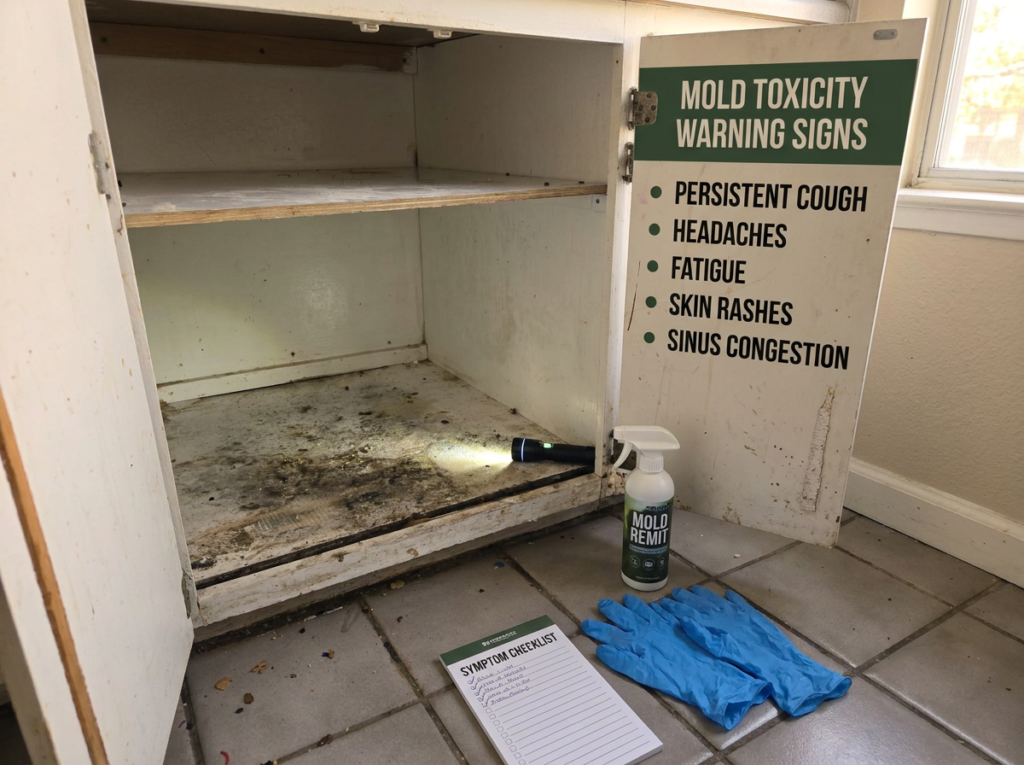
Mold toxicity symptoms can creep into your home unnoticed, putting health and property at serious risk. You might spot a musty smell or suffer unexplained allergies, yet miss the deeper signs of mold exposure that demand attention. This guide breaks down the 10 warning signs every homeowner and property manager in Arizona should watch for to protect indoor air quality and safety before problems escalate. For further reading, check out this article.
Health Symptoms of Mold Toxicity
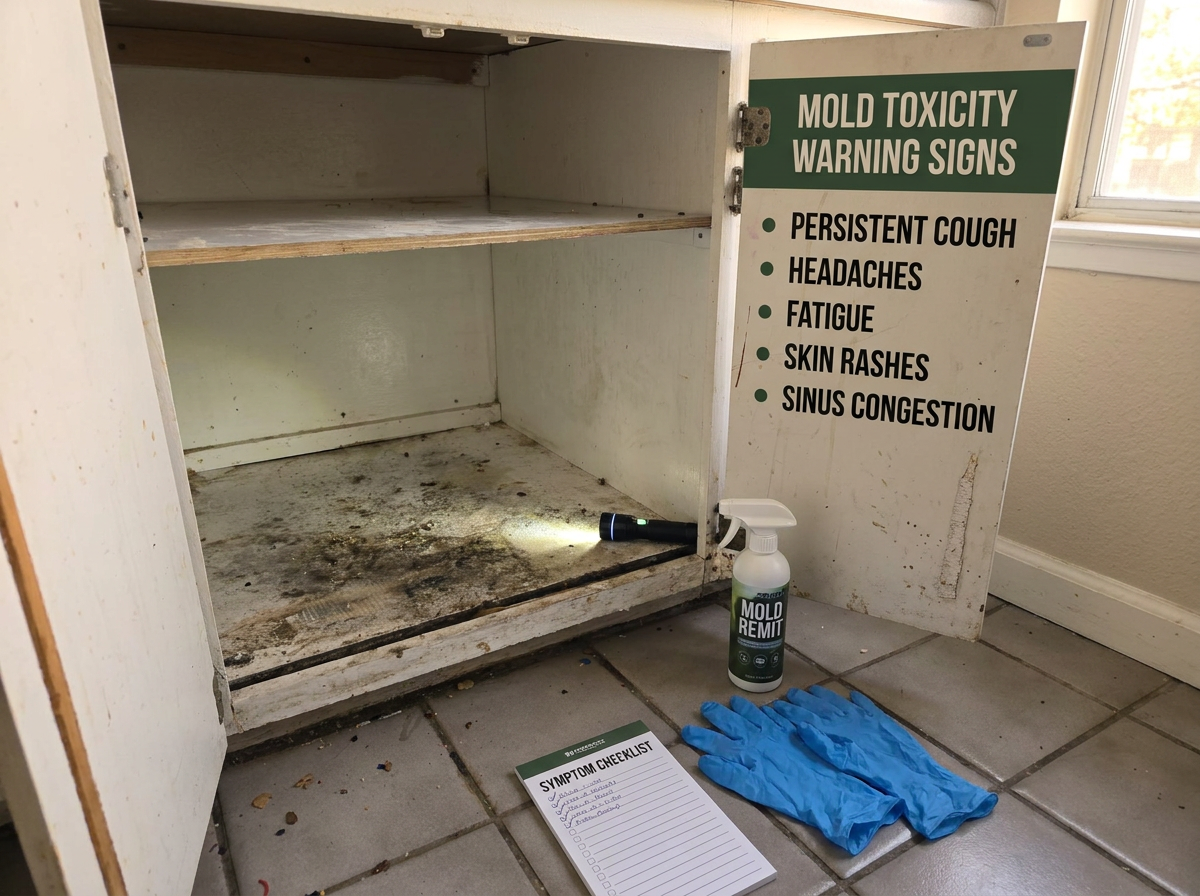
Spotting mold toxicity symptoms early can prevent bigger health issues. Understanding these symptoms helps you act swiftly to protect your well-being. Here’s what to watch for:
Respiratory Issues and Allergies
Breathing problems often signal lurking mold. If you notice wheezing or coughing, it might not just be a seasonal allergy. Mold spores in the air can irritate your lungs, leading to respiratory issues that mimic asthma.
Some people experience a runny nose and itchy eyes. If these symptoms persist, consider that mold might be the culprit. This is especially true if symptoms improve when you leave the house. Remember, indoor air quality is crucial for your health, particularly in Arizona where dry conditions can exacerbate problems.
Fatigue and Cognitive Problems
Feeling unusually tired or foggy? Mold might be to blame. This type of fatigue often feels different than just being tired from a long day. It’s more persistent and can even affect your mental clarity.
Cognitive issues might also arise. Trouble concentrating or memory lapses can surprise you. These symptoms might seem unrelated, but they’re common in mold-related illness. If you’re experiencing this, it’s wise to consider a mold inspection to clear the air.
Skin Irritations and Rashes
Unexplained skin issues can hint at mold exposure. Rashes or irritation might appear without any new skincare products or allergies in play. This happens because mold toxins can cause skin to react even if you don’t touch the mold directly.
Sensitive skin areas like underarms or behind the knees are often affected. If you notice recurring rashes, especially when at home, it could be due to mold. Getting to the root of the problem is key to finding relief and improving your skin health.
Environmental Indicators of Mold Presence
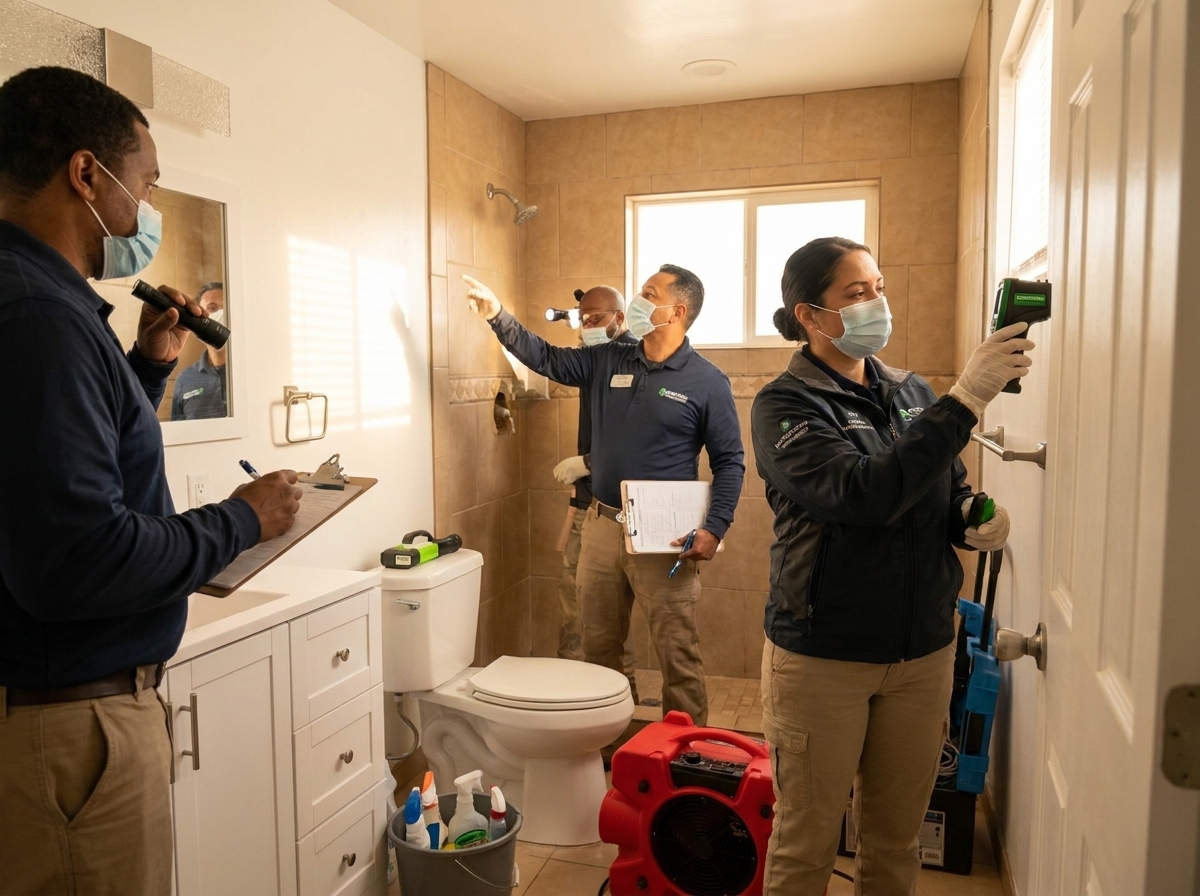
Your surroundings offer clues about mold presence. Identifying these can save your property from severe damage. Here’s what to look out for:
Musty Smell and Mold Odor
That unmistakable musty smell is an alarm bell. It’s not just an old house scent; it’s a sign of mold growth. This odor often comes from hidden mold, such as behind walls or under floors.
If you smell it, investigate further. Mold odor is persistent and lingers, unlike other household smells. Ignoring it can lead to more significant mold-related issues. A timely mold inspection can pinpoint and address the source effectively.
Visible Mold Growth and Discoloration
Visible mold is easier to spot, making it a clear indicator of a problem. Look for black, green, or white patches on walls, ceilings, or around windows. Black mold, known as Stachybotrys, is particularly concerning due to its potential health risks.
Discoloration can also appear like water stains or peeling paint. These signs mean mold is active and growing. Addressing visible mold quickly prevents further spread and can protect your property’s value.
Water Damage and Moisture Intrusion
Water damage is a mold magnet. If you’ve experienced leaks or flooding, check for mold. Moisture intrusion creates an ideal environment for mold to thrive.
Check areas prone to moisture, like bathrooms or basements. Look for warped wood, bubbling paint, or soft drywall. These conditions often harbor mold. A moisture intrusion assessment can help identify hidden risks before they turn into costly problems.
Importance of Professional Mold Remediation
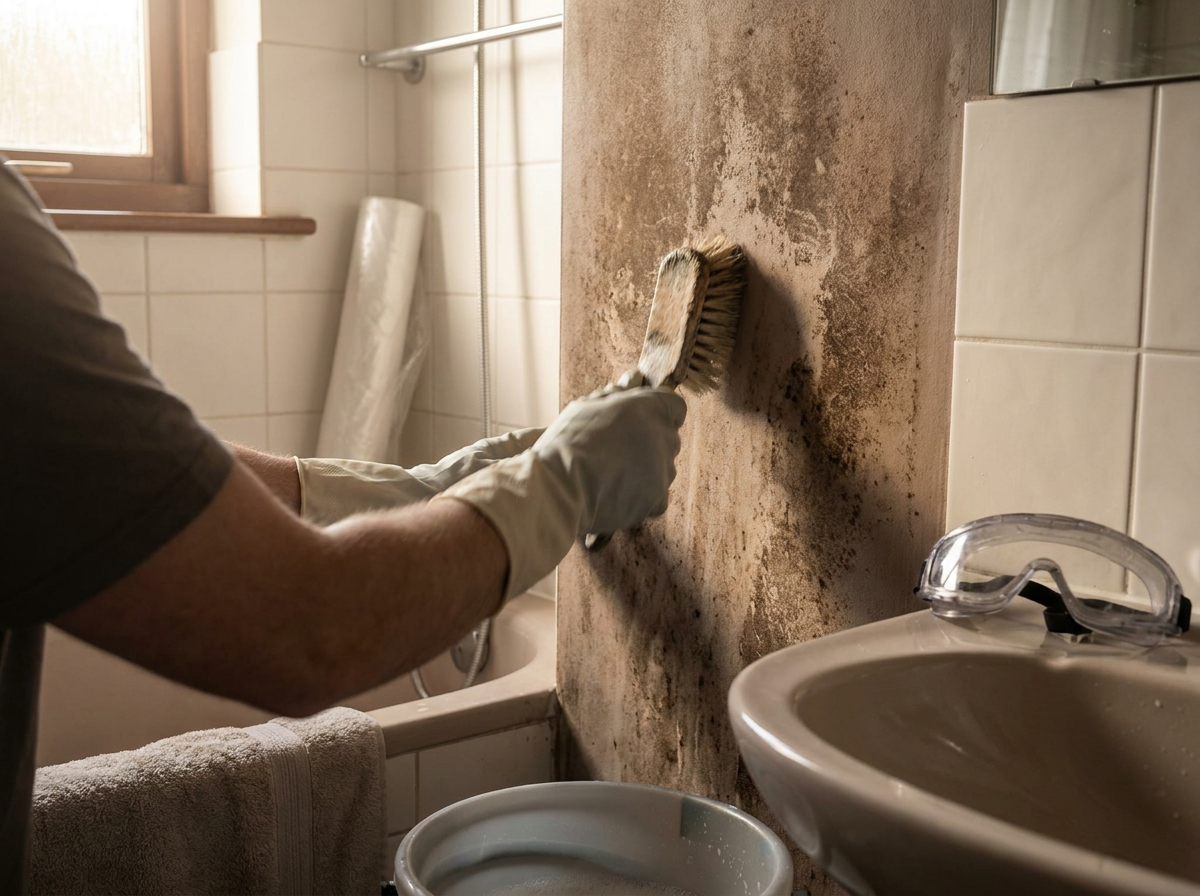
Knowing the signs is just the first step. Professional remediation ensures your home is safe and complies with regulations. Here’s why it matters:
Safety and Compliance in Arizona
In Arizona, safety and compliance are paramount. Using a licensed abatement contractor ensures that remediation meets state regulations. This is crucial for avoiding fines and ensuring the health of your occupants.
Professionals use advanced techniques like HEPA air filtration and negative air containment to remove mold effectively. This not only improves indoor air quality but also provides peace of mind that the job is done right.
Thorough Source Removal Process
A thorough removal process tackles the root of the problem. It’s not just about cleaning visible mold but ensuring no spores remain to regrow. Professionals use specialized equipment to remove mold from affected areas completely.
The process often includes removing contaminated materials and treating surfaces to prevent future growth. This comprehensive approach saves you from recurring mold issues, protecting both health and property.
Post-Remediation Verification and Documentation
After remediation, verification ensures success. Documentation provides proof that your property is mold-free. This is important for future real estate transactions or insurance claims.
Post-remediation verification includes air quality testing to confirm that all mold has been removed. This step is crucial for maintaining a safe living environment. Proper documentation also demonstrates compliance and can be a valuable asset in any property dealings.
In conclusion, recognizing mold toxicity symptoms and environmental indicators is vital. Acting on them protects your health and property investment. Professional remediation provides a reliable solution, ensuring safety and compliance. For more insights on mold remediation costs, visit our practical guide.