
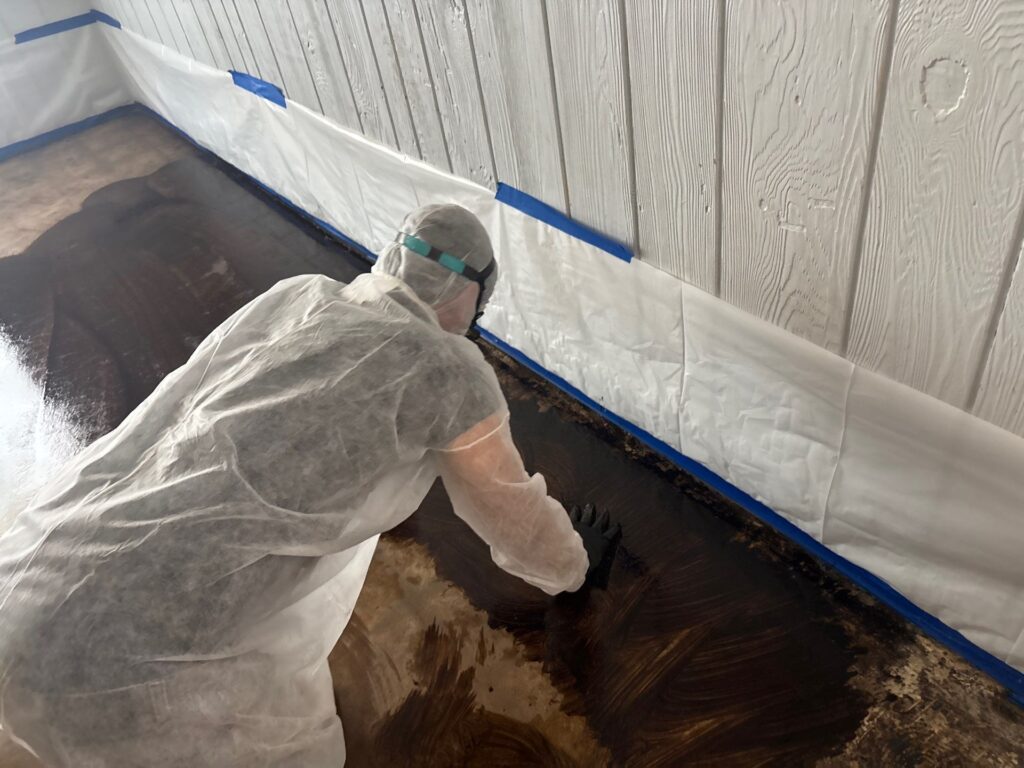
Mold can hide behind walls or linger in the air long before you notice it. When you suspect a problem, a professional mold test in Arizona is the only way to know what you’re dealing with. This post explains when to schedule testing, how the process works, and how Desert Valley Abatement guides you from clear results to safe, compliant remediation. Keep reading to protect your property and health with confidence.
When to Consider Mold Testing
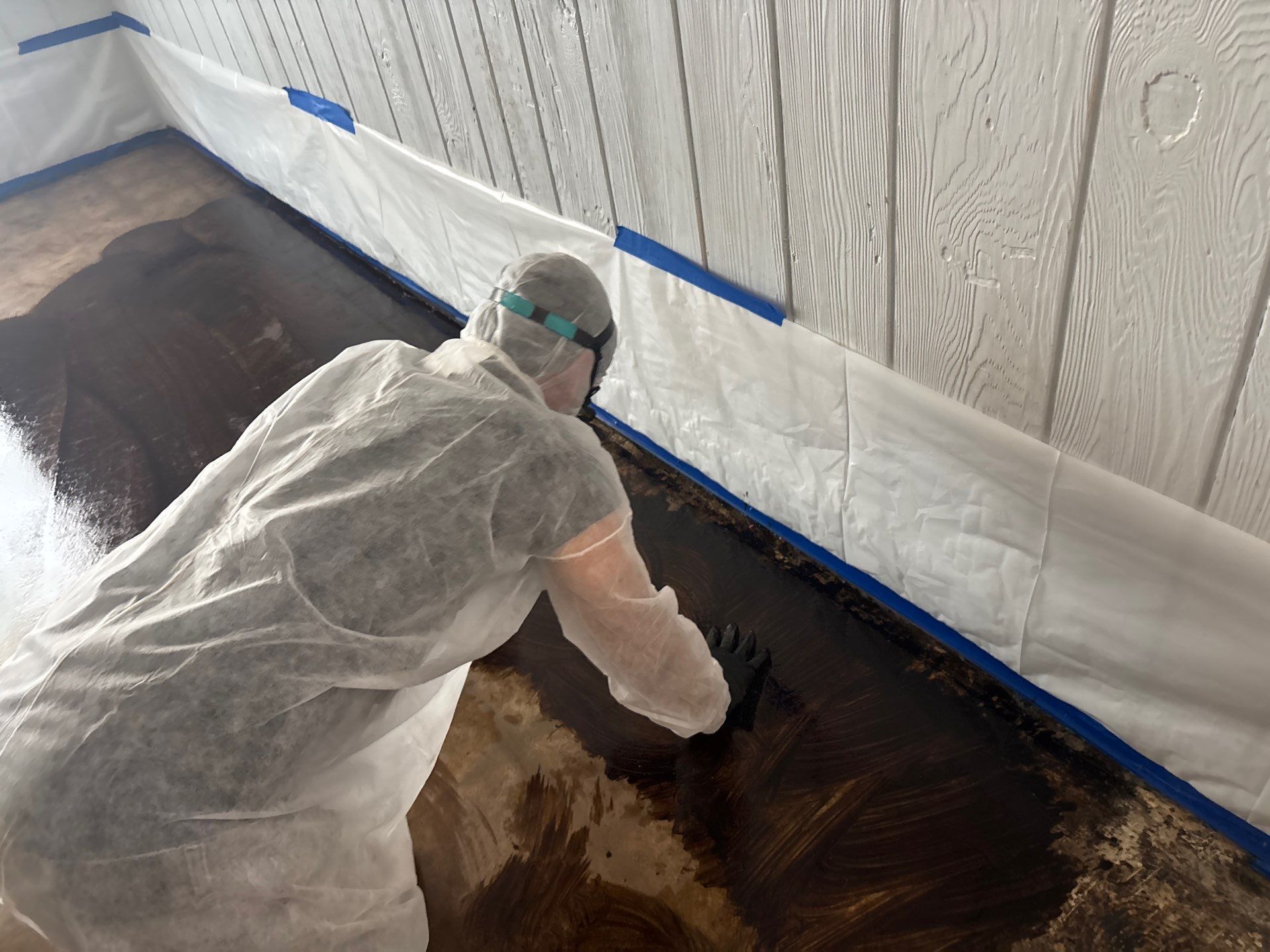
Recognizing the signs early can save you from bigger headaches later. Let’s explore key indicators that suggest it’s time for a mold test.
Signs You Need a Mold Test
Do you notice a persistent musty smell in your home? This might indicate hidden mold. Maybe you’ve seen discoloration on walls or ceilings. These are strong signs that a mold inspection in Phoenix is necessary. Besides visible signs, trust your instincts. If you suspect mold is present, testing can confirm your suspicions and guide your next steps.
Mold isn’t just an eyesore. It can damage your property and affect your health. Mold spores in the air can cause allergies or respiratory issues. It’s crucial to know what’s in your environment. Testing provides peace of mind by identifying the type and extent of mold present.
Health and Compliance Triggers
Health is a major reason to consider testing. Are family members experiencing unexplained allergies or respiratory issues? Mold might be the culprit. Knowing the mold type helps in choosing the right treatment. Plus, property managers must ensure tenant safety, making regular testing part of compliance.
Regulatory compliance is another trigger. Arizona laws require landlords to address mold issues promptly. Regular mold testing ensures you’re meeting these standards. You’ll have documentation to prove you took the necessary steps to maintain a safe property, protecting you from potential liabilities.
Real Estate and Construction Concerns
Buying or selling a property? A mold test can be crucial. Mold can scare away buyers and lower property value. A clean bill of health from a mold remediation contractor can reassure potential buyers and facilitate smoother transactions.
In construction, mold can delay projects and increase costs. Testing before starting a project helps avoid surprises. It ensures a clean environment, allowing work to proceed smoothly. In these situations, testing is not optional, but an essential step in the process.
How Professional Mold Testing Works
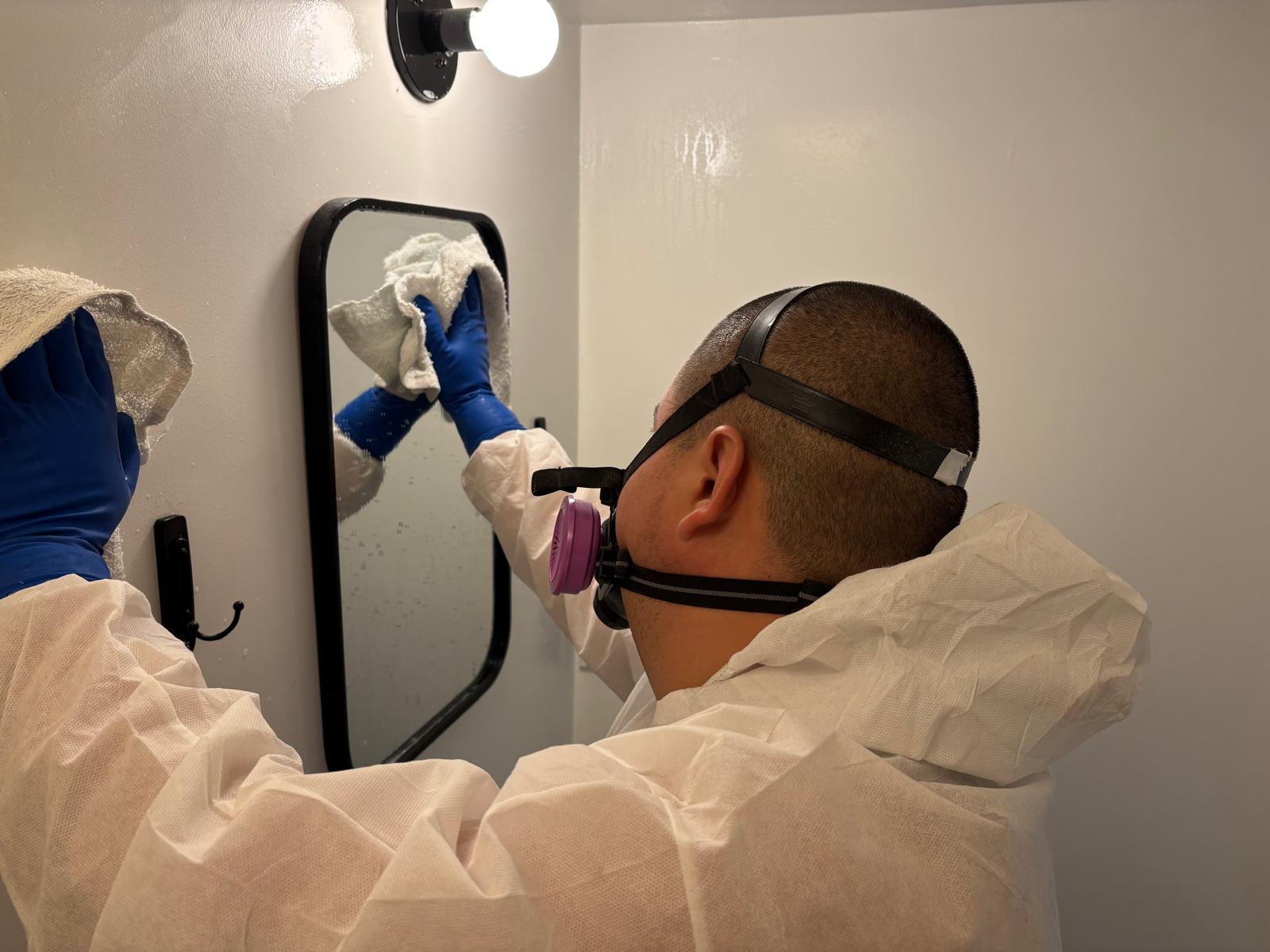
Understanding the process can demystify it and ease your concerns. Here’s a look at what professional mold testing involves.
Sampling Methods and Processes
Mold testing involves different methods. Air sampling is popular. It checks for spores in your home’s air. An expert uses special equipment to collect samples from various areas. Surface sampling, on the other hand, involves taking swabs from suspect areas to detect mold presence.
After samples are collected, they go to a lab for analysis. Lab experts identify the mold types and concentrations. This information is crucial for determining the best remediation approach. An accurate diagnosis ensures the problem is addressed effectively, minimizing potential health risks.
Understanding Lab Report Results
Lab reports can be intimidating, but they provide vital information. They list the types of mold found and their concentrations. Understanding these results helps you take appropriate action. If levels exceed normal ranges, it’s time to act.
The report might reveal harmless mold types, but it can also uncover harmful ones like black mold. Knowing the specifics helps prioritize remediation efforts. Proper interpretation of these results is key to effective mold remediation in Arizona.
Comparing Indoor and Outdoor Samples
Comparing indoor and outdoor samples helps determine if mold levels inside are higher than outside. Elevated indoor levels suggest a problem. This comparison clarifies if mold is coming from an internal source or if it’s normal background levels.
This step is crucial in confirming the presence of a mold issue. If indoor levels are significantly higher, it indicates an active mold source that needs addressing. Understanding these dynamics helps in creating a targeted action plan for remediation.
Desert Valley Abatement’s Comprehensive Approach
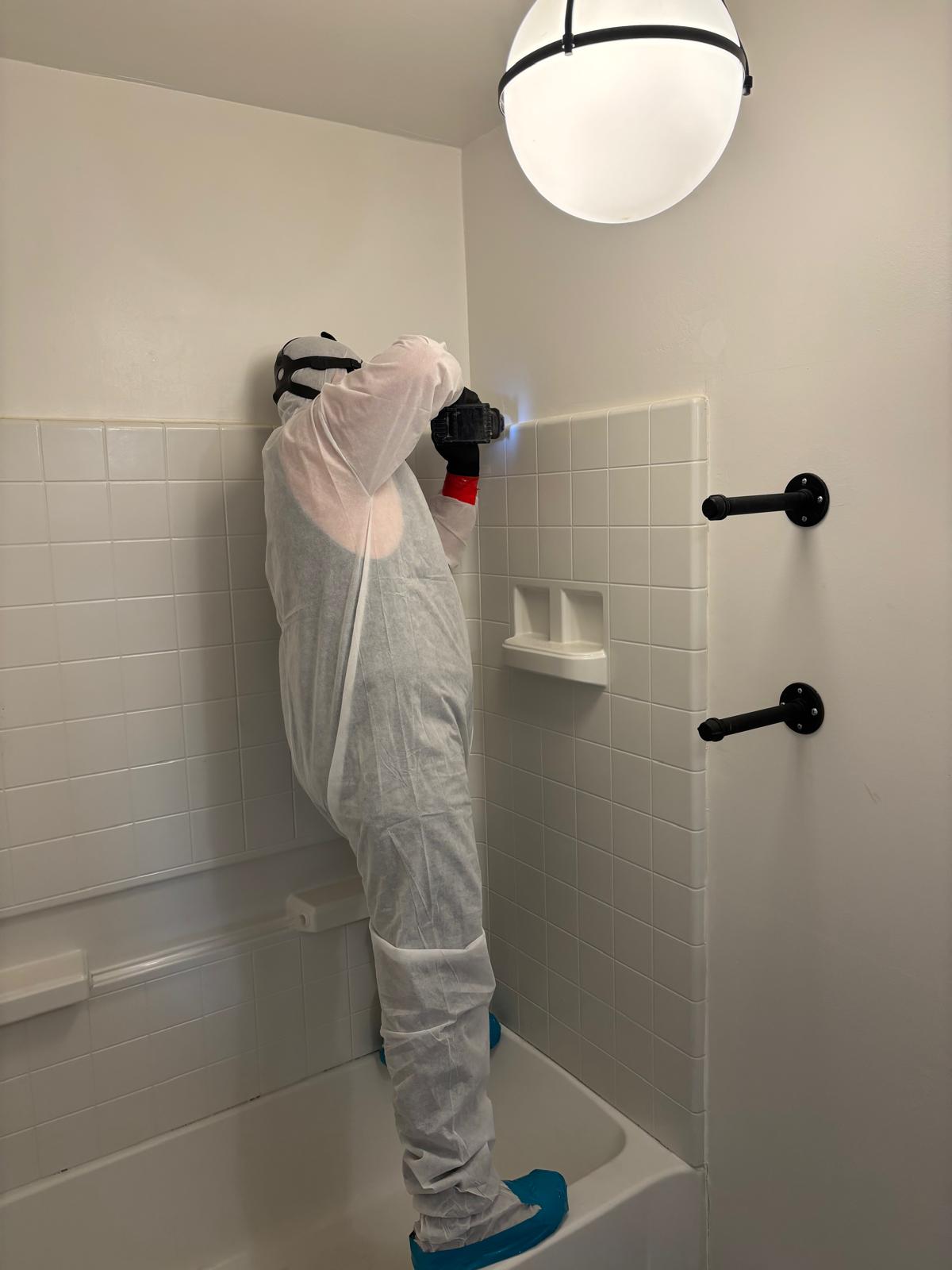
We offer a structured process that guides you from testing to a safe and clean environment. Let’s see how we turn lab results into action.
From Lab Report to Action Plan
Once the lab results are in, we develop a tailored action plan. We translate complex results into clear, actionable steps. Our team explains everything, ensuring you understand the findings and the necessary actions.
This plan includes targeted remediation strategies to address specific mold issues. We focus on effective solutions that ensure complete removal and prevent future problems. Our approach prioritizes your safety and peace of mind.
Detailed Documentation and Verification
Documentation is key in our process. We provide detailed records of every step, from initial assessment to final verification. This transparency builds trust and ensures compliance with regulations.
Verification is the final step. We conduct post-remediation verification to ensure mold has been effectively removed. This step includes additional testing to confirm the success of our efforts. It guarantees that your property is safe for occupancy.
Why Choose Desert Valley Abatement
Choosing us means partnering with experts who prioritize your safety. Our comprehensive services cover everything from testing to remediation. We offer a seamless process, integrating all necessary steps under one roof.
We are committed to quality and transparency. Our experienced team uses industry best practices to ensure effective solutions. With us, you get peace of mind knowing your property is in capable hands. Trust us to restore your environment to a safe, healthy state.