
Asbestos Abatement in Arizona: Procedures, Permits, and Compliance for Homeowners and Businesses
Asbestos abatement in Arizona involves more than just removal—it demands careful attention to state regulations, permits, and safety standards. If you’re managing a home or business renovation, knowing your responsibilities under Arizona asbestos regulations can prevent costly delays and health risks. This guide breaks down every step, from ADEQ asbestos notification to clearance air testing, so you stay compliant and protect your property. Read on to see how Desert Valley Abatement handles your project with full documentation and strict safety measures. For more detailed information, visit this guide on asbestos management.
Understanding Asbestos Abatement in Arizona
Navigating the complexities of asbestos removal can be daunting. But, by understanding the procedures and best practices, you can ensure a smooth and compliant project.
Key Procedures and Best Practices
At the heart of a successful abatement project is a strategic plan. Start with a thorough asbestos survey to identify all hazardous materials present. This step is crucial to pinpoint both visible and hidden threats. Once identified, a detailed action plan is crafted, focusing on safe removal and disposal.
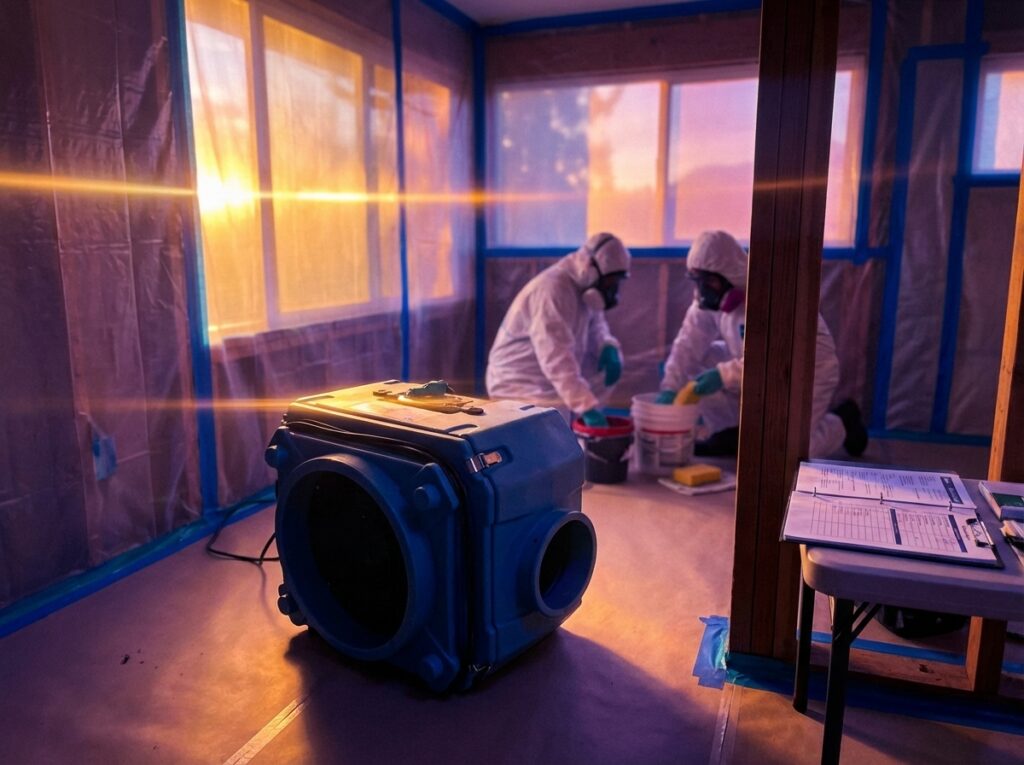
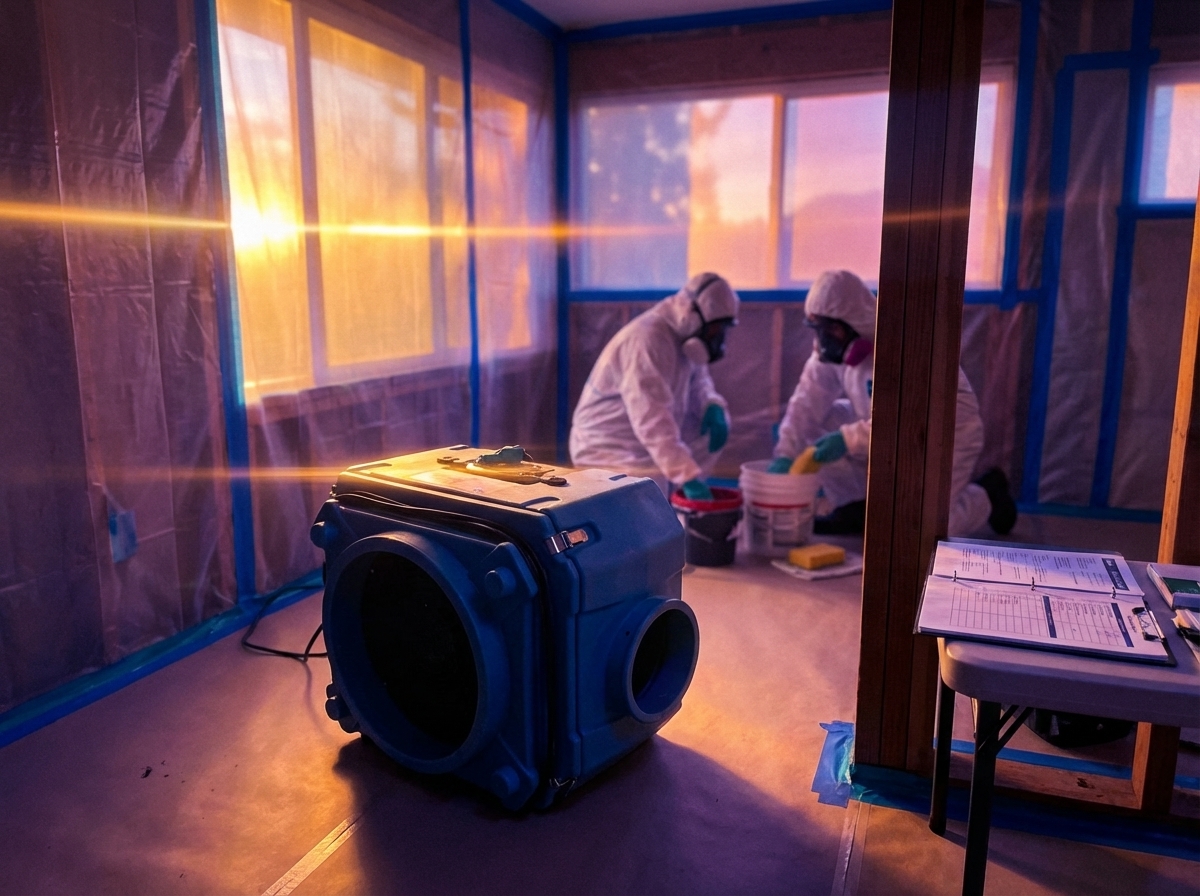
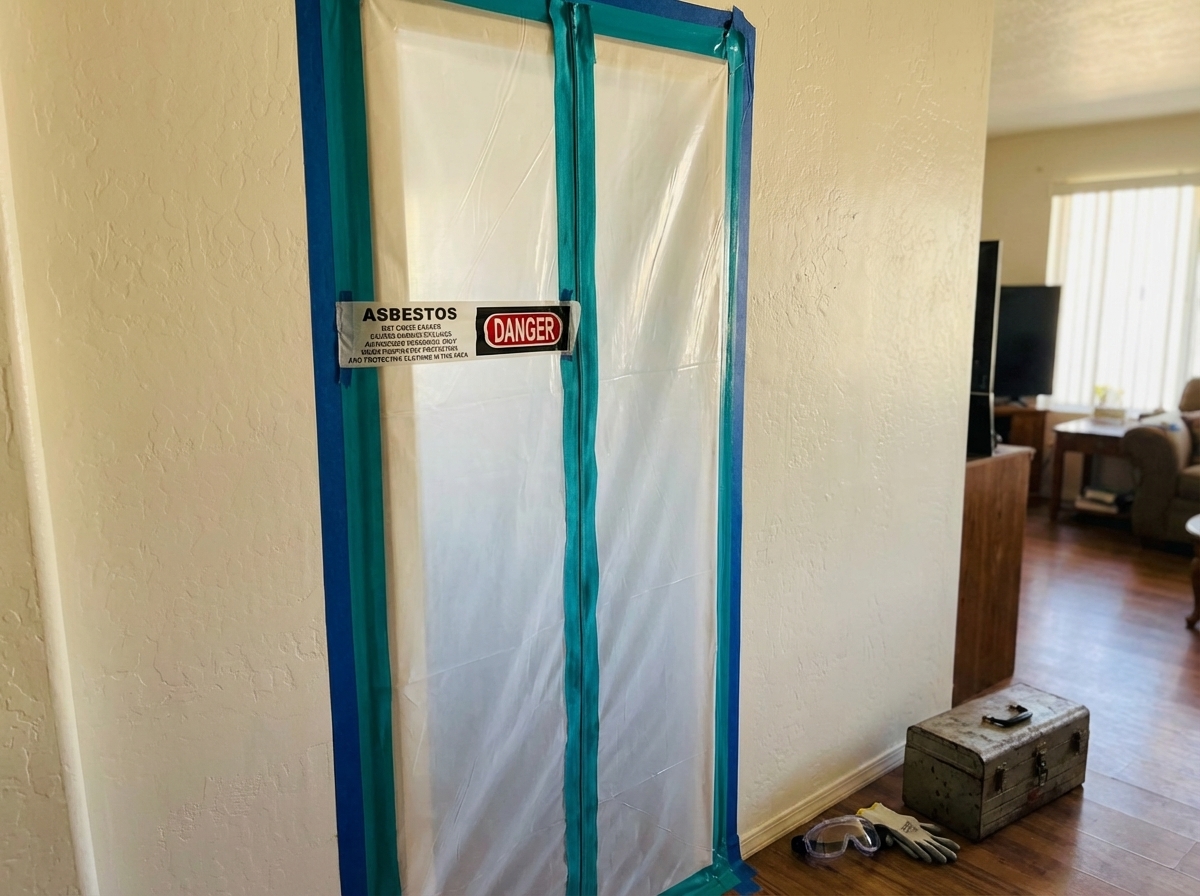
Safety is paramount. Implement negative air containment systems to prevent cross-contamination during removal. This involves sealing work areas and using specialized equipment to filter air. By maintaining a controlled environment, you minimize risk to both workers and building occupants. Always emphasize the importance of proper documentation; it’s not just about safety but also about compliance with Arizona asbestos regulations.
Navigating Permits and Compliance Requirements
Permits are not just paperwork. They’re your ticket to a compliant project. Before starting, secure all necessary permits from local authorities. This includes completing ADEQ asbestos notifications to inform state agencies of your plans.
Understanding local regulations helps streamline the process. Be proactive in communicating with regulatory bodies like the Maricopa County Air Quality Department. This ensures that you meet all compliance standards and avoid unexpected delays. Remember, proper planning reduces risks and enhances project efficiency.
Ensuring Safety and Legal Obligations
Safety isn’t optional. It’s a legal obligation. Compliance with OSHA asbestos standards protects both your crew and the public. Ensure all workers receive proper training and equipment to handle hazardous materials safely.
Regular inspections and clear communication with regulatory bodies like the ADEQ are vital. These steps ensure your project remains compliant throughout its duration. By prioritizing safety and legality, you protect your business from costly fines and maintain your reputation as a reliable contractor.
Arizona-Specific Regulations and Compliance
Each state has unique regulatory requirements. In Arizona, understanding these nuances can make or break your project.
ADEQ and County Notification Processes
The Arizona Department of Environmental Quality (ADEQ) plays a key role. When planning an abatement, you must provide detailed notifications of your plans. This includes project scope, timelines, and safety measures.
Notifications aren’t just a formality. They ensure that your project aligns with state regulations, reducing the risk of enforcement actions. Partnering with experienced professionals like Desert Valley Abatement can streamline this process, ensuring all necessary information is accurately submitted.
Navigating NESHAP and OSHA Standards
National standards also influence your project. The EPA’s NESHAP asbestos requirements outline specific practices for the safe handling and disposal of asbestos. Compliance with these standards is non-negotiable.
On the safety front, OSHA standards mandate rigorous training and safety protocols for all workers involved in asbestos abatement. By adhering to these guidelines, you not only safeguard your team but also maintain compliance with federal regulations.
Understanding RACM and Non-Friable Asbestos
Not all asbestos is created equal. Regulated Asbestos Containing Material (RACM) poses significant risks due to its friable nature. This means it can easily crumble, releasing harmful fibers into the air.
Conversely, non-friable asbestos is more stable but still requires careful handling. Understanding the difference helps you choose the appropriate removal and disposal methods, ensuring compliance and safety.
Effective Abatement Strategies
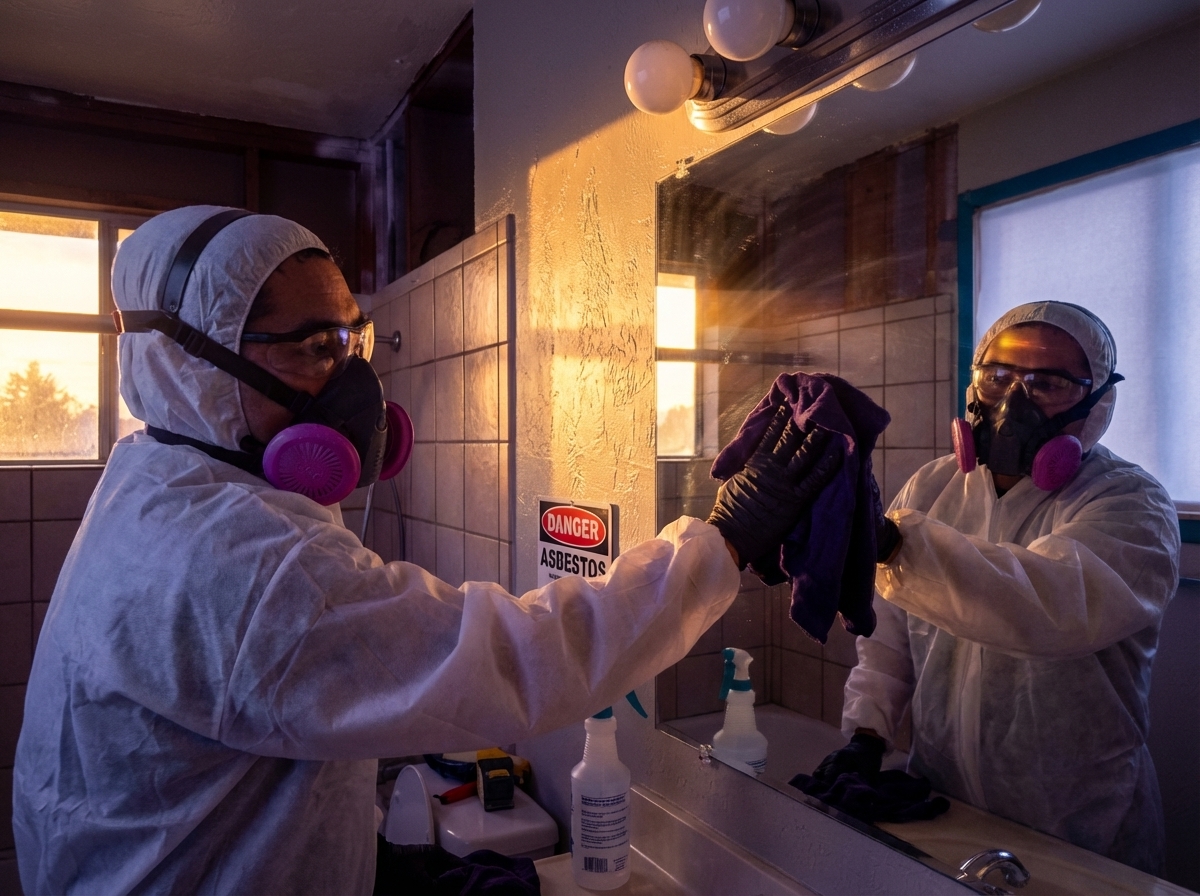
Successful asbestos abatement hinges on effective strategies. From initial surveys to final clearances, each step is crucial to project success.
Conducting Thorough Asbestos Surveys
A comprehensive survey is your project’s foundation. It identifies all asbestos-containing materials and assesses their condition. This information guides your abatement plan, ensuring all hazards are addressed.
Utilize both PLM and TEM testing methods for accurate results. These techniques provide a detailed analysis of material composition, ensuring no threat goes undetected. A thorough survey not only guides your project but also ensures compliance with Arizona asbestos regulations.
Implementing Safe Removal and Disposal
Removal isn’t just about getting rid of asbestos—it’s about doing so safely. Employing negative air containment systems minimizes exposure risks. By maintaining a controlled environment, you safeguard both workers and building occupants.
Disposal is equally important. Follow all guidelines for asbestos disposal compliance, ensuring materials are handled and transported safely. Proper documentation, such as a waste manifest, is crucial for regulatory compliance and project transparency.
Ensuring Successful Project Clearance
The final step in your abatement project is clearance. Conduct clearance air testing using PCM and TEM methods to confirm that your site is asbestos-free. This process verifies that all hazardous materials have been safely removed and that the environment meets safety standards.
Documentation of successful clearance provides peace of mind and legal protection. By following these strategies, you ensure a compliant and safe asbestos abatement project.
For further insights and detailed procedural guidance, visit Desert Valley Abatement’s comprehensive guide. Understanding and adhering to these processes not only ensures compliance but also protects your property and community from potential hazards.