
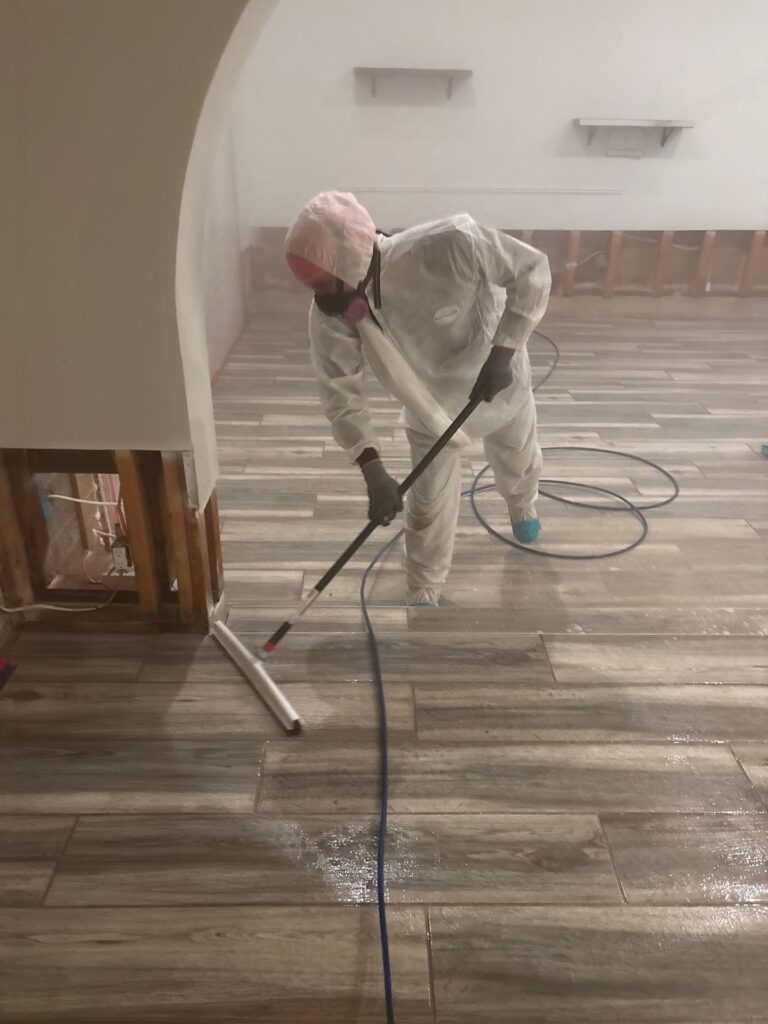
Understanding Lead Abatement: Protecting Your Family and Property
Lead hazards hide in many Arizona homes and buildings, putting families and tenants at risk every day. Without proper lead abatement Arizona services, these dangers often go unnoticed until serious health or compliance issues arise. This guide breaks down how professional lead paint removal works, what regulations you must follow, and why a licensed assessment from Desert Valley Abatement is the smart first step to protect your property and everyone inside. For more information on protecting your family from lead hazards, you can explore this resource.
Understanding Lead Hazards
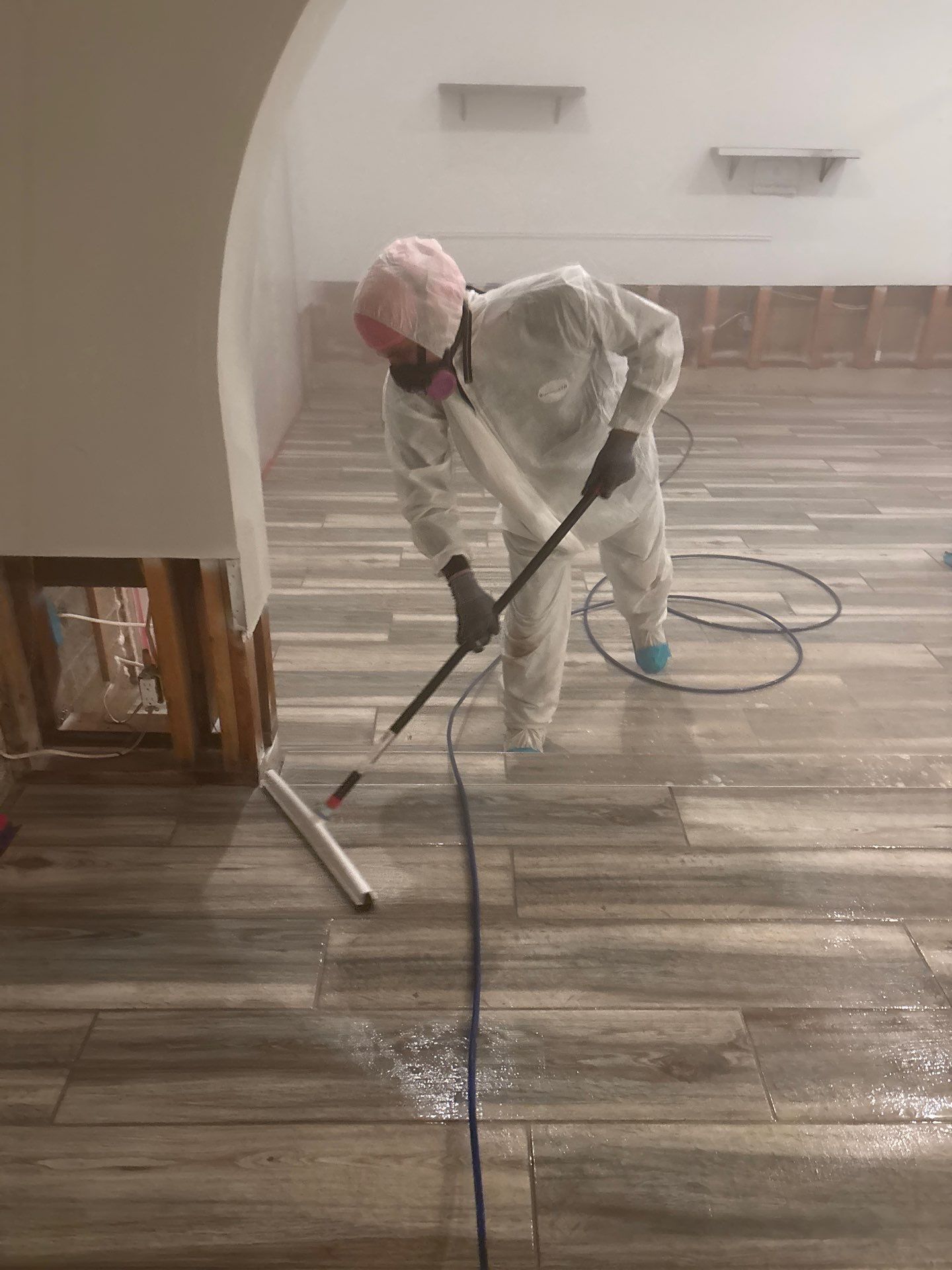
Lead is a hidden danger in many homes, especially older ones. Knowing where and how it lurks is your first defense.
Recognizing Lead Risks at Home
Many people don’t realize that lead can be practically invisible. It hides in walls, dust, and even soil. If your home was built before 1978, there’s a good chance lead-based paint was used. This paint peels over time, creating dust that can be harmful if inhaled or ingested, particularly by children.
It’s crucial to check areas that see a lot of wear and tear, like windows, doors, and railings. These spots often have chipping paint, releasing tiny lead particles into the air. Regular cleaning and maintenance can reduce this risk, but it’s not a substitute for professional lead paint abatement.
For a deeper dive into understanding lead risks, take a look at this helpful brochure.
Lead Paint and Health Concerns
Lead is a potent neurotoxin that affects the brain and nervous system. Young children are especially vulnerable because their bodies absorb lead more quickly. Even low levels can cause developmental delays, learning difficulties, and irritability.
Adults aren’t immune either. Lead exposure can result in high blood pressure, joint pain, and memory problems. Pregnant women face even greater risks, as lead can cross the placenta and harm unborn babies. Recognizing these risks emphasizes the importance of lead remediation.
Identifying Lead in Older Properties
Older buildings often come with charm—and hidden hazards. Lead paint is a common culprit, but it’s not the only concern. Plumbing pipes and fixtures in homes built before 1986 might also contain lead. This can leach into drinking water, posing an additional risk to health.
To identify lead hazards, a professional lead inspection is essential. They use tools like XRF lead inspections to pinpoint lead presence accurately. This assessment is the first step in creating a safer environment for your family.
For tips on how to protect against lead in homes, visit Building Bright Futures.
The Lead Abatement Process
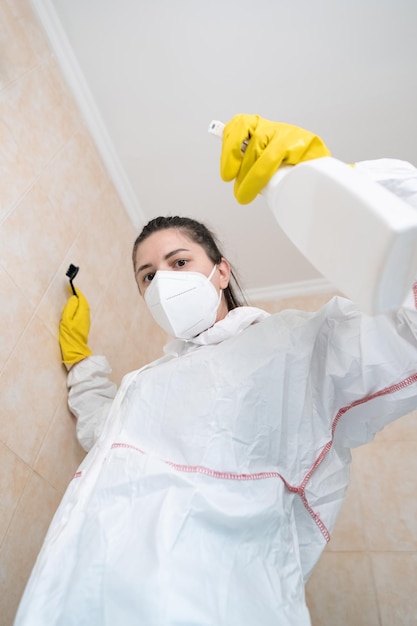
Once you’ve identified lead hazards, the next step is addressing them safely and effectively. Here’s how the process works.
Comprehensive Lead Risk Assessment
Before any removal begins, understanding the scope of the problem is key. A lead risk assessment provides a detailed picture of where lead exists and at what levels. Professionals conduct a thorough examination of your property, checking surfaces, dust, and soil.
This assessment often involves lead dust clearance testing to ensure accuracy. Each step is documented to provide a clear plan for remediation. By understanding the full extent of lead presence, you can prioritize your next steps and ensure comprehensive action.
Safe and Effective Lead Removal
After the assessment, the actual removal process can start. This involves containment and negative air systems to prevent contamination. Trained specialists carefully remove lead-based paints, using methods that protect them and your family.
Throughout this process, HEPA vacuuming is employed to clean up any residual dust. This ensures no particles are left behind, offering peace of mind. The goal is to make your home safe without disrupting your daily life too much.
Ensuring Compliance with Regulations
Lead abatement isn’t just about safety—it’s also about meeting strict regulations. The EPA, HUD, and OSHA have guidelines that must be followed to ensure both effectiveness and legality. Compliance with these standards is crucial for avoiding future issues.
A licensed contractor will provide clearance documentation when the job is done. This certifies that your home meets all necessary safety standards and regulations. Proper documentation is valuable, particularly if you plan to sell your property in the future.
For more on HUD guidelines, check this HUD Lead-Based Paint Brochure.
Choosing the Right Contractor
Selecting the right team makes all the difference in a successful lead abatement project.
Importance of Licensed Professionals
When it comes to lead abatement, licensing isn’t just a formality—it’s a necessity. Licensed professionals are trained to handle lead safely and follow stringent guidelines. This ensures the health of your family and the integrity of your home.
Choosing an AZ licensed abatement contractor means you’re getting someone who understands local regulations and requirements. They provide the expertise needed to navigate the complexities of lead remediation.
Evaluating Contractor Credentials
Not all contractors are created equal. When evaluating potential partners, ask for proof of certification and past project examples. A reputable contractor will gladly share this information. They should also provide references from previous clients.
Look for contractors who offer a clear plan and timeline, ensuring transparency from start to finish. Their communication should be direct and supportive, with a focus on your needs and concerns.
Scheduling an Assessment with Desert Valley Abatement
To ensure your home is free from lead hazards, scheduling a professional assessment is the first step. Desert Valley Abatement offers comprehensive lead risk assessments tailored to your property. With expert technicians and a commitment to safety, they ensure your home meets all regulatory standards.
To learn more or schedule an evaluation, reach out to Desert Valley Abatement today. By addressing lead issues now, you protect your family’s future and maintain your property’s value.