
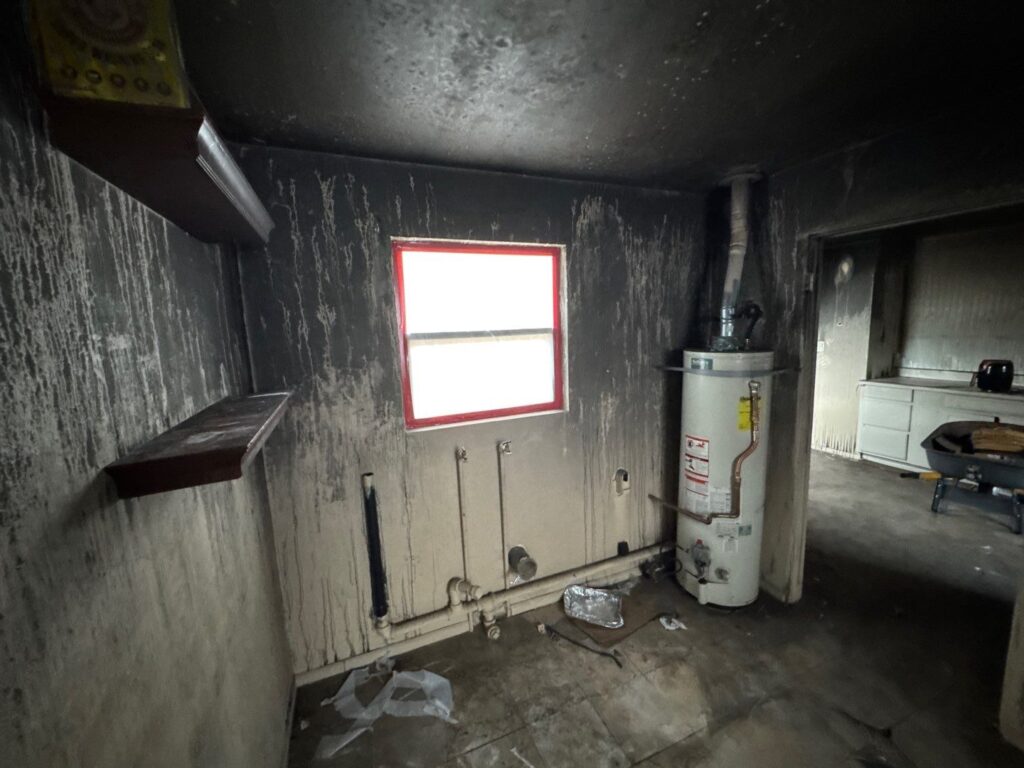
The Stepwise Approach to Safe and Compliant Asbestos Abatement in Arizona
Asbestos abatement in Arizona demands strict attention to safety and compliance at every step. Missing a detail can cost you time, money, and health risks. This guide breaks down the exact process Desert Valley Abatement follows—from regulatory notifications to clearance air testing—so you know what to expect and how we protect your property and people. Keep reading to see how a disciplined approach makes all the difference in asbestos removal Phoenix trusts. For more information, you can visit this guide on safe work practices.
Understanding Asbestos Abatement in Arizona
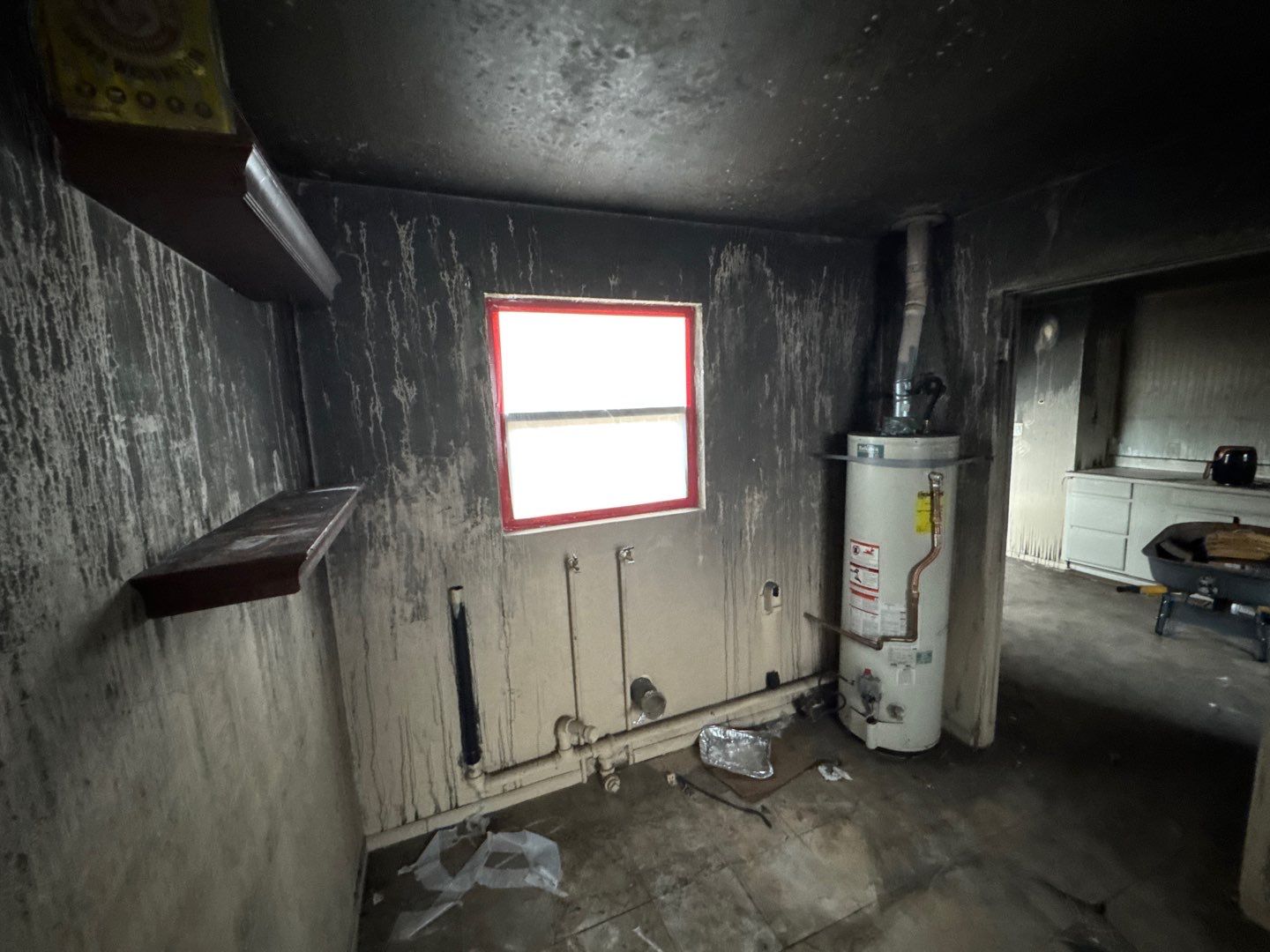
When it comes to handling asbestos, knowing the local requirements is key. Arizona has its own set of rules to ensure public safety.
Key Safety and Compliance Standards
Safety is not just about wearing the right gear; it’s about following rules. Arizona has strict regulations to keep everyone safe from asbestos. These rules are set by bodies like OSHA and local health departments. They tell you how to handle, remove, and dispose of asbestos safely. Failing to comply can lead to fines and project delays.
Recognizing Friable vs Non-Friable Asbestos
Understanding the type of asbestos is crucial. Friable asbestos crumbles easily, releasing harmful fibers into the air, making it more hazardous. Non-friable asbestos, on the other hand, remains solid and less likely to release fibers unless disturbed. Knowing which type you are dealing with helps in choosing the right removal method and equipment. For more detailed information, consider checking out this step-by-step guide.
Importance of AHERA and OSHA Compliance
Compliance with regulations like AHERA and OSHA is non-negotiable. They ensure that asbestos is handled in a way that protects both workers and the public. AHERA focuses on schools, requiring them to inspect for asbestos and manage it safely. OSHA sets rules for worker safety, ensuring measures like protective gear and safe handling procedures are in place. Not following these can lead to serious health risks and penalties.
Step-by-Step Asbestos Removal Process
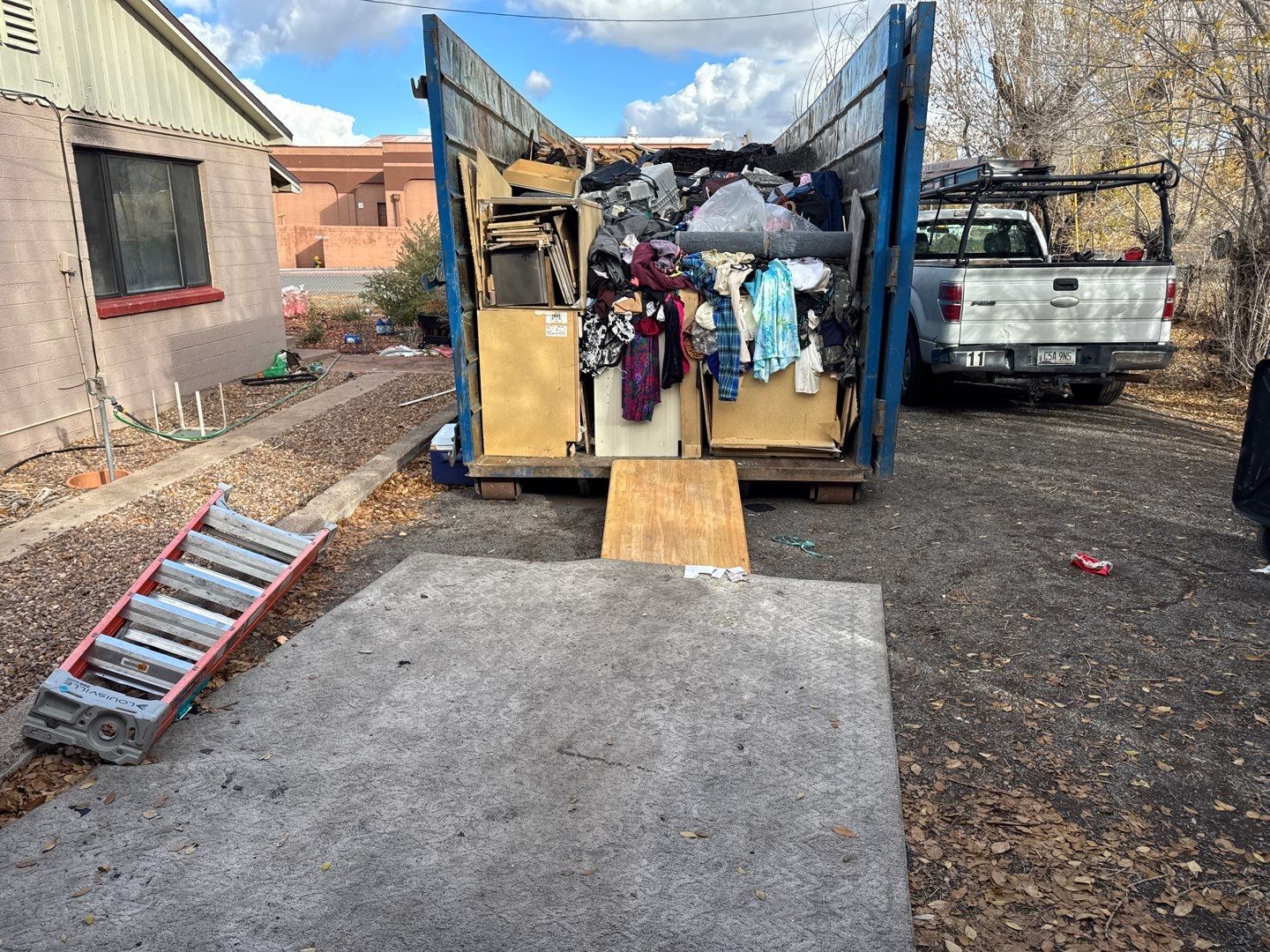
Understanding the process of asbestos removal helps you to be better prepared. Each step plays a vital role in ensuring safety and compliance.
Site Assessments and NESHAP Notifications
Before any work begins, a thorough site assessment is essential. This involves checking for asbestos and determining its type and quantity. After this, NESHAP notifications are sent to inform local authorities about the upcoming work. These steps ensure that all parties are aware and prepared for the removal process.
Methods: Negative Air and HEPA Filtration
During removal, maintaining a safe environment is crucial. Negative air pressure systems are used to ensure that any released fibers do not escape into the surrounding area. Coupled with HEPA filtration, these systems capture nearly all airborne fibers, preventing them from spreading. This method is highly effective in containing asbestos during removal.
Wet Removal Techniques and Glove Bag Asbestos
Using water in removal is a smart move. Wetting the asbestos helps to keep fibers from becoming airborne. Glove bag techniques are also used for safe removal, especially in tight spaces. These bags are placed over the asbestos, allowing for safe handling without releasing fibers. They are particularly useful for pipe insulation abatement and other similar tasks.
Finalizing the Abatement Project
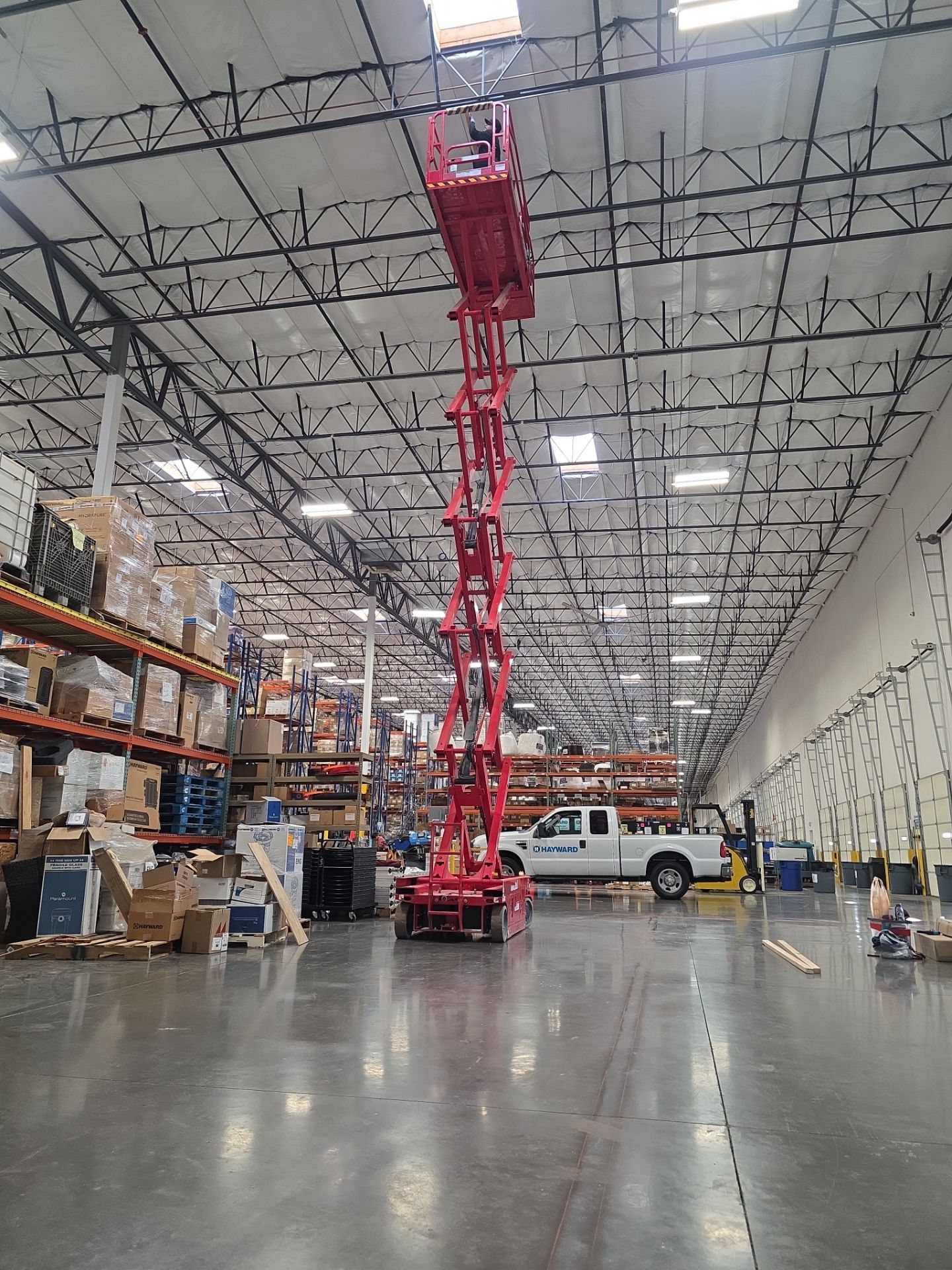
Completing an asbestos project involves more than just removal. Proper finishing steps ensure safety and compliance.
Industrial Hygienist Coordination and Clearance Testing
Once the removal is done, an industrial hygienist steps in. Their job is to conduct clearance testing to ensure no fibers remain in the air. This testing is crucial, as it verifies that the area is now safe for reoccupation. Working closely with these experts ensures that every project meets the highest safety standards.
Proper Regulated Waste Disposal and Manifests
Disposing of asbestos waste safely is vital. It must be placed in special containers and transported to designated sites. Each load must be documented with a waste disposal manifest, proving that it was handled correctly. This documentation is crucial for legal compliance and peace of mind.
Encouraging Engagement and Site Assessment Request
Wrapping up an abatement project is just the beginning. Now, it’s time to ensure your property remains safe. Consider reaching out for a site assessment to identify any lingering risks. Taking this proactive step helps in maintaining a safe environment and preventing future issues. Engage with experts who prioritize safety and compliance.