
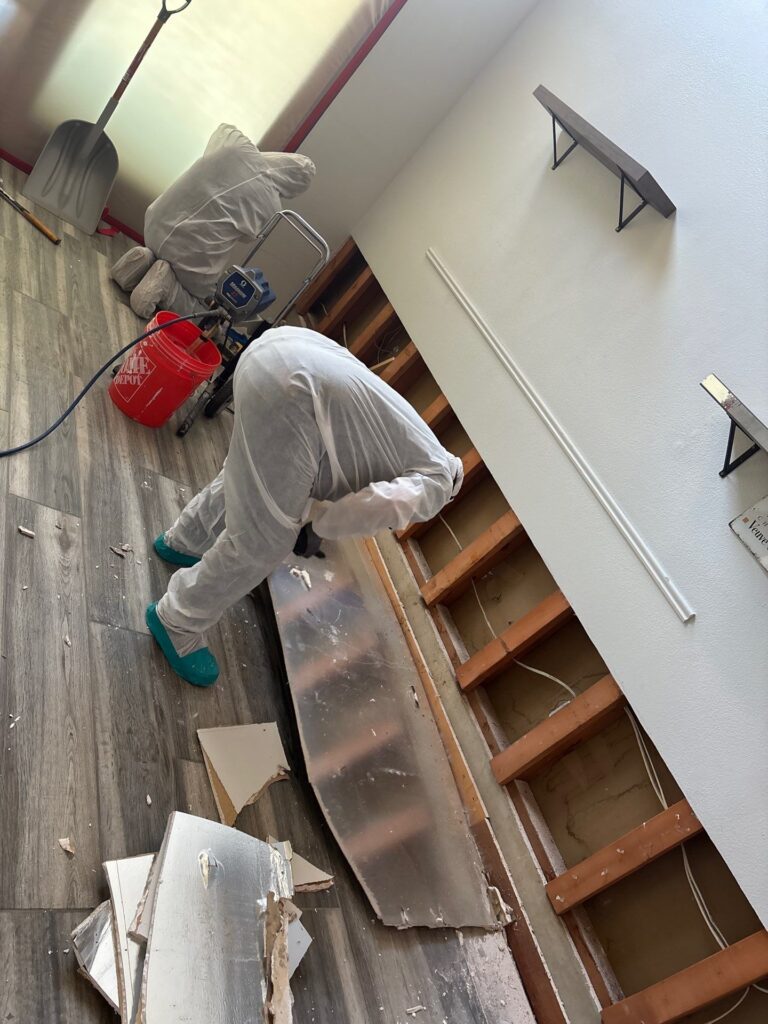
The Stepwise Approach to Safe and Compliant Asbestos Abatement in Arizona
Asbestos abatement in Arizona demands more than just removal—it requires strict adherence to safety and regulatory controls at every step. When you choose a licensed asbestos contractor, you protect your property and everyone inside with proven containment methods like negative air systems and HEPA filtration. This guide breaks down Desert Valley Abatement’s stepwise process, so you know what to expect from start to finish—and how to keep your project on track with clear documentation and compliance. For more information on safe work practices, refer to this resource.
Safe Asbestos Abatement Steps
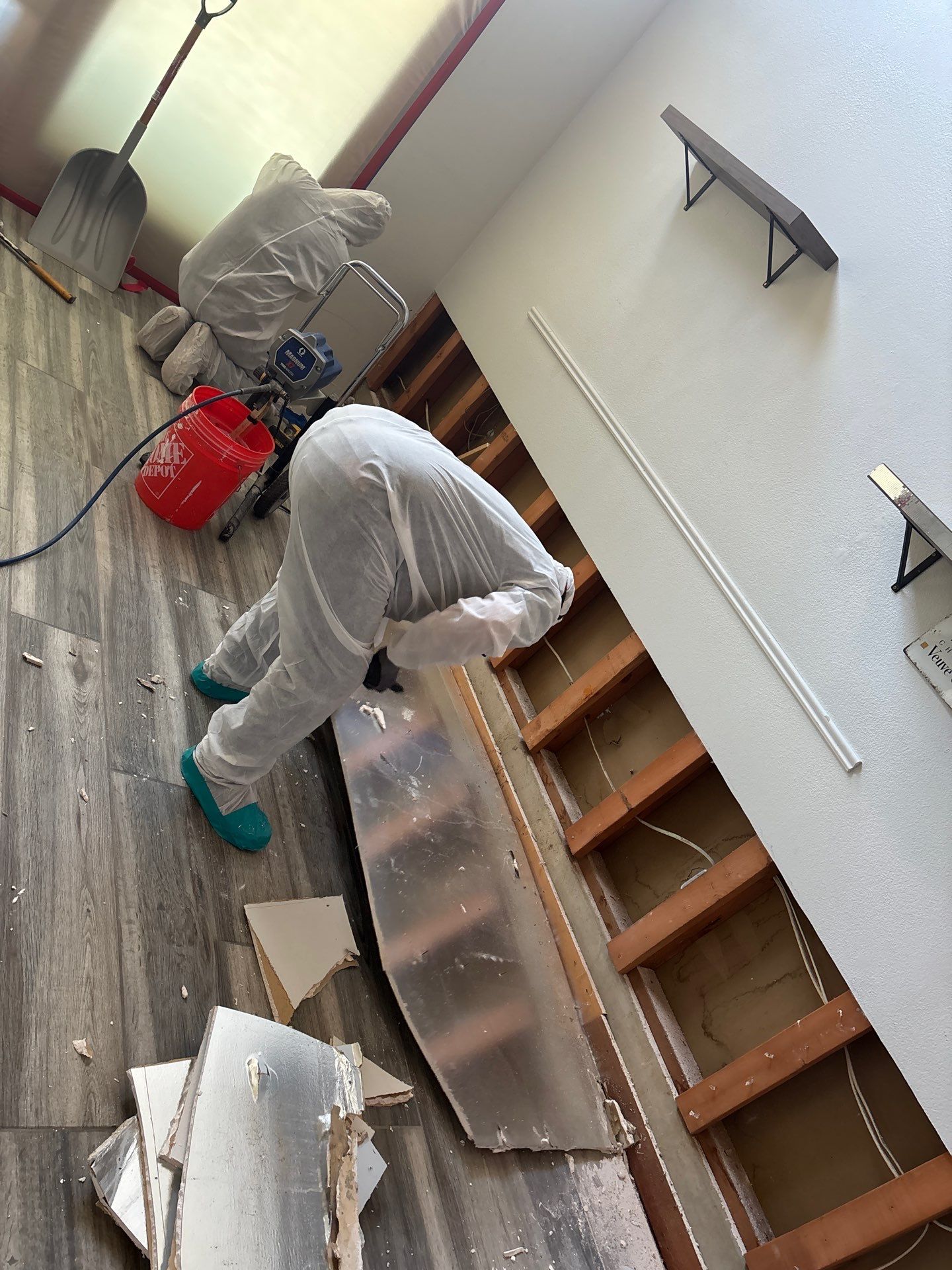
Understanding the initial steps in asbestos abatement sets the foundation for a successful project. By focusing on inspections and compliance, you ensure your property and health are safeguarded.
Initial Inspection and Assessment
The first step involves a detailed inspection. A certified inspector will assess the property to identify asbestos-containing materials. This is a crucial stage, as knowing the exact locations and conditions of asbestos helps in planning the removal process. The inspector will take samples, analyze them, and provide a comprehensive report. This document guides the entire abatement process, ensuring every detail is accounted for.
Regulatory Compliance and Notifications
Meeting regulatory standards is not just a guideline—it’s a necessity. You must notify relevant authorities like the EPA and OSHA before starting any removal. This ensures your project complies with laws and avoids potential fines. Understanding these requirements can be complex, but a licensed contractor will handle notifications, ensuring every step meets legal standards. For detailed OSHA regulations, you can check their official site.
Site-specific Work Plans and Containment
Once compliance is confirmed, a tailored work plan is developed. This includes containment strategies to prevent asbestos fibers from spreading. Negative air systems and plastic barriers are examples of effective containment methods. The plan is designed to adapt to your specific site conditions, ensuring maximum safety and efficiency. Coordinating this requires expertise, which experienced contractors bring to each project.
Effective Asbestos Removal Techniques
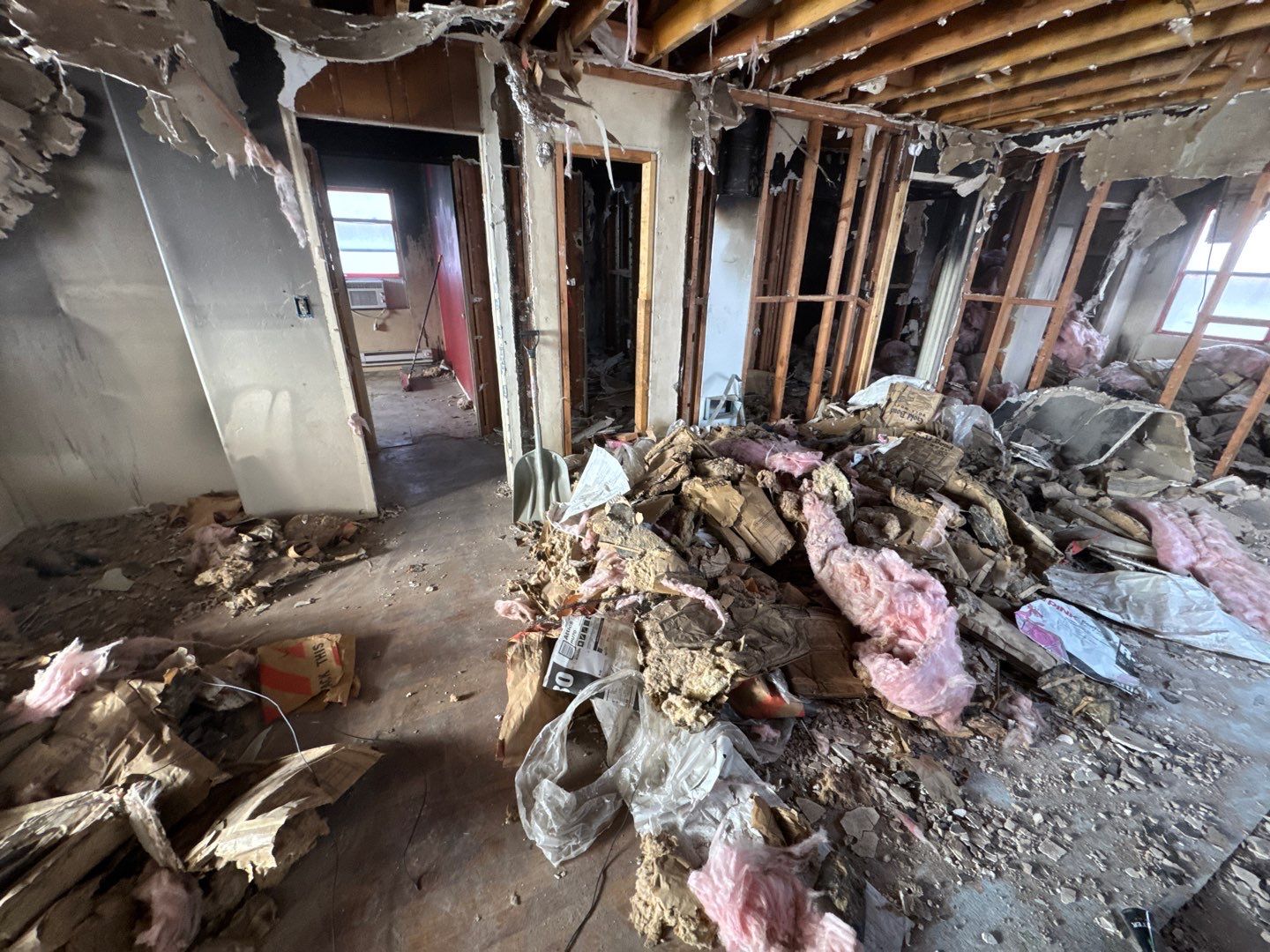
After planning, the focus shifts to the actual removal techniques. These methods ensure the safe and complete elimination of asbestos from your property.
Engineering Controls and Containment
Engineering controls are essential to maintaining safety during removal. Negative air machines create a vacuum effect, preventing fibers from escaping into other areas. HEPA filtration further cleans the air, capturing even the smallest particles. These controls protect both workers and residents, maintaining a safe environment throughout the process. To learn more about HEPA systems, refer to this guide.
Worker Safety and Decontamination
Your safety and the safety of the workers are top priorities. Workers wear protective gear, including respirators and suits, to prevent exposure. Decontamination procedures ensure that no asbestos leaves the site, protecting surrounding areas. This process includes careful cleaning of all equipment and clothing before exiting containment zones. By following strict safety protocols, risks are minimized.
Careful Removal and Disposal
Removal is a meticulous task. Trained professionals carefully extract asbestos, ensuring no fibers are released. All waste is securely bagged and labeled, following strict disposal regulations. This ensures that hazardous materials are handled and discarded correctly, eliminating risks to the environment and community. Proper disposal is not just a practice but a legal obligation, ensuring peace of mind for all involved.
Finalizing the Abatement Process
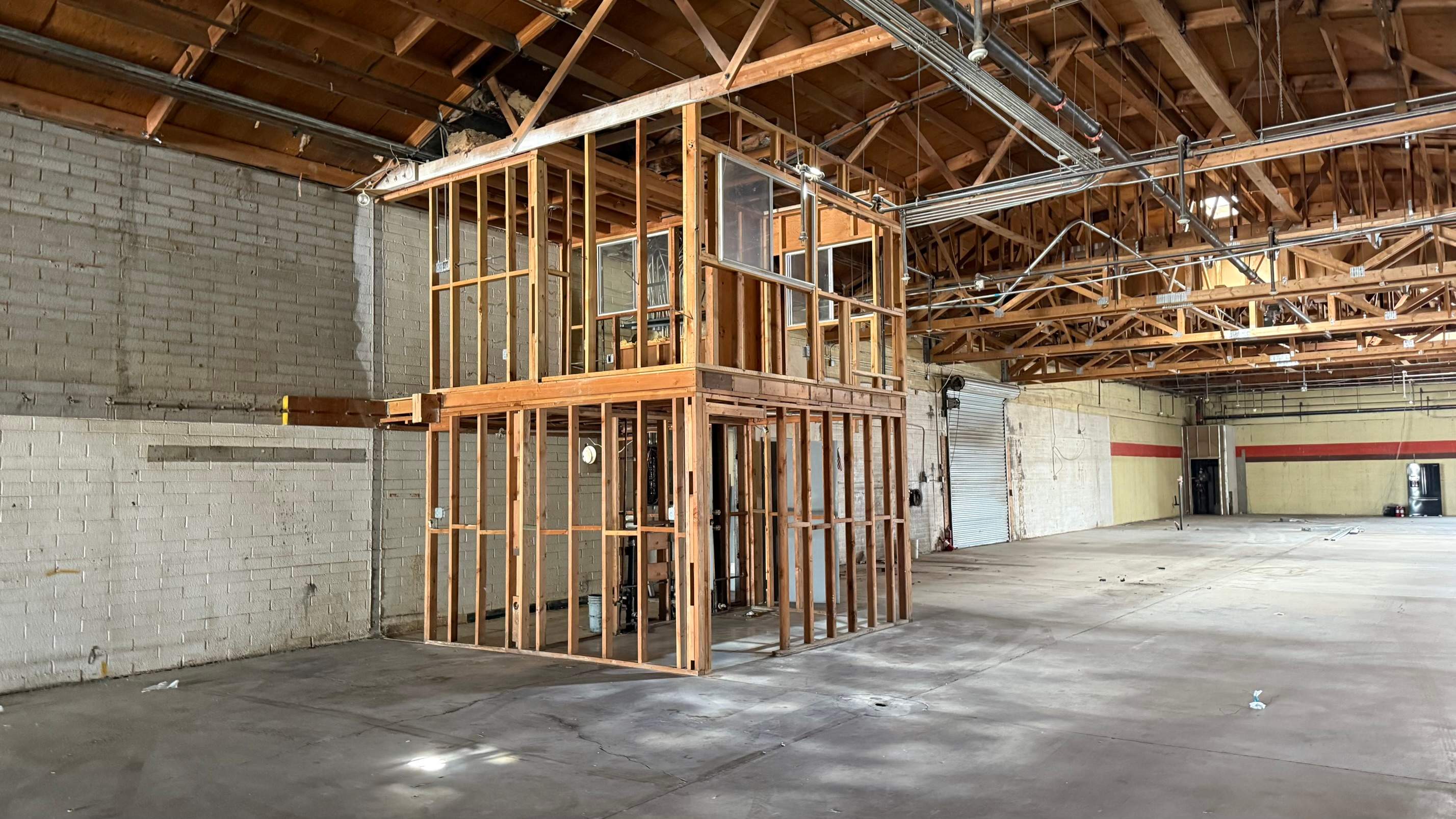
The final phase involves thorough checks and documentation to confirm the complete removal of asbestos, ensuring your property is safe and compliant.
Air Monitoring and Clearance Testing
Air quality is critical after asbestos removal. Monitoring ensures that the air is safe to breathe. Clearance testing involves sampling the air to confirm it meets safety standards. This step is crucial for verifying that the property is free from asbestos hazards, allowing you to resume normal activities with confidence.
Comprehensive Documentation and Reporting
Detailed documentation is vital. It serves as proof of compliance with all regulations. This includes reports on inspections, removal processes, and disposal. Proper documentation protects you from future liabilities and provides a clear record of the work completed. By maintaining thorough records, you ensure transparency and accountability throughout the project.
Encouraging Proactive Site Assessments
Proactive assessments help in identifying potential asbestos issues early. Regular inspections can prevent costly removals and ensure compliance. Engaging a licensed contractor for periodic checks can save time and resources in the long run. By staying ahead of potential problems, you maintain a safe environment and peace of mind.