
How to Recognize Hidden Asbestos Risks in Your Property: A Homeowner’s Guide
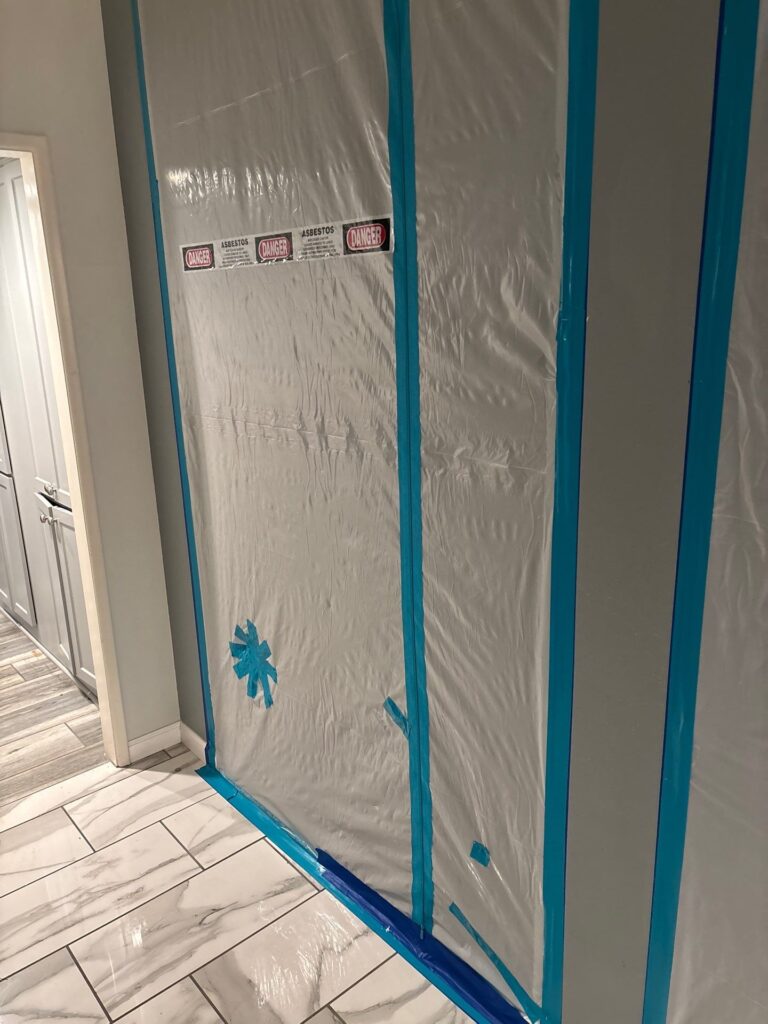
Many homeowners overlook the hidden asbestos risks lurking in walls, ceilings, and floors. Left unchecked, these dangers can threaten your family’s health and your property’s safety. This homeowner guide breaks down how to spot potential asbestos hazards and why a professional asbestos inspection matters. Read on to protect your home with Desert Valley Abatement’s expert advice on safe removal and environmental remediation. For more information, visit [https://asbestos-surveys.org.uk/asbestos/asbestos-in-home-renovations-precautions-for-diy-enthusiasts/hidden-dangers-asbestos-home-renovations-diy-guide/].
Identifying Asbestos Risks
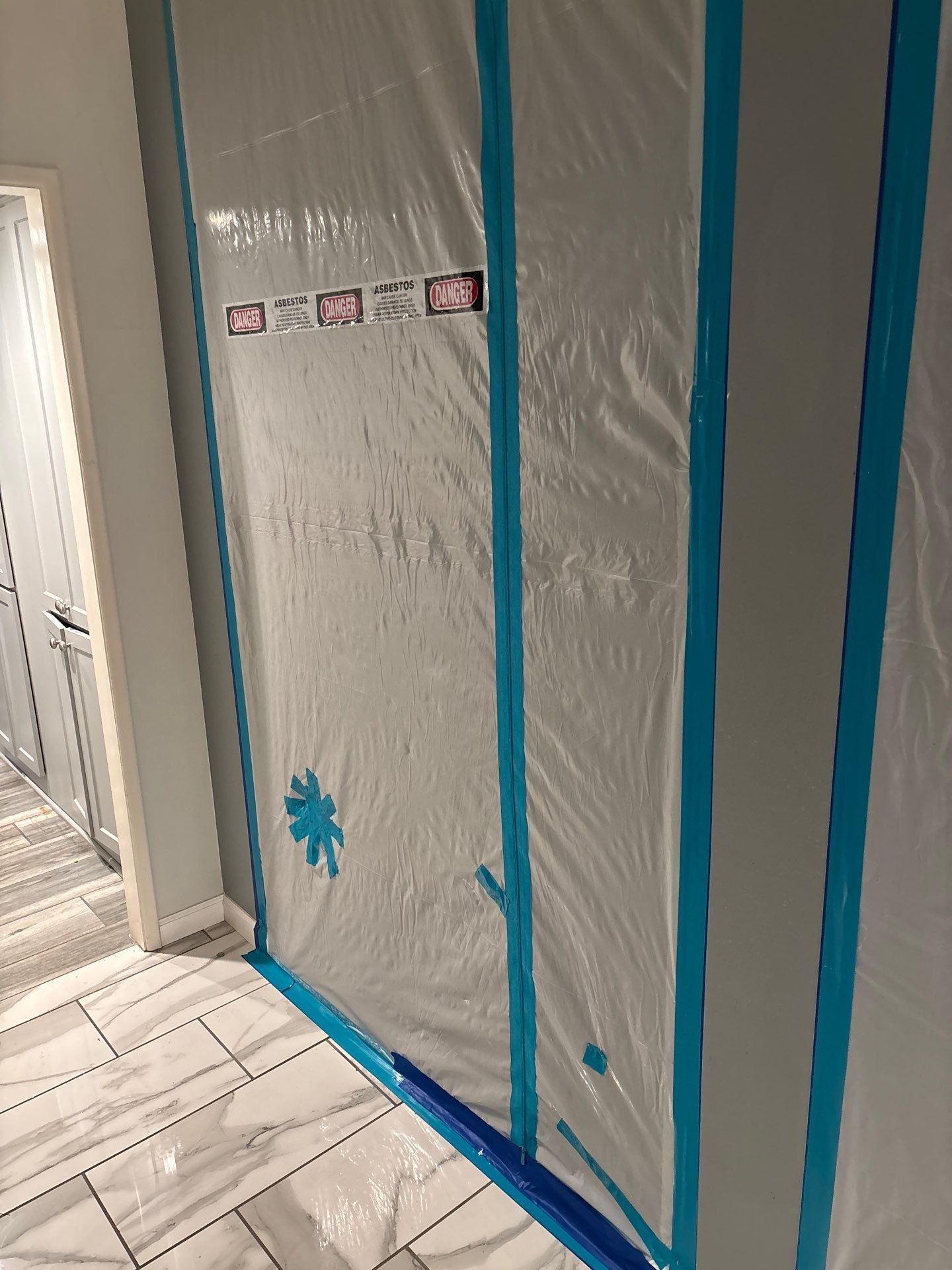
Understanding where asbestos may be hiding in your home is the first step to safeguarding your family’s health. Let’s explore some common areas where these dangers might be lurking.
Common Asbestos Locations
Asbestos was widely used in building materials before its risks were fully understood. You might find it in insulation, floor tiles, and even in ceiling textures. Older homes, especially those built before the 1980s, are more likely to have asbestos-containing materials.
-
Insulation: Often hidden in attic spaces and around pipes.
-
Floor Tiles: Common in kitchens and basements.
-
Roofing and Siding: Asbestos cement was a popular choice.
Keeping an eye on these areas can help you catch potential hazards early. For more insights, check this detailed guide on common asbestos locations.
Signs of Asbestos Presence
Spotting asbestos isn’t always straightforward; it takes a keen eye and sometimes professional help. Cracked or damaged materials in older homes should raise a red flag. If your floor tiles are peeling or your ceiling textures are flaking, it might be time for a closer look.
-
Visual Clues: Look for worn, damaged tiles, or insulation.
-
Health Symptoms: Respiratory issues can be a hint of exposure.
The longer these signs go unnoticed, the greater the risk to your health. Take a proactive approach by knowing what to look for.
Professional Asbestos Inspection
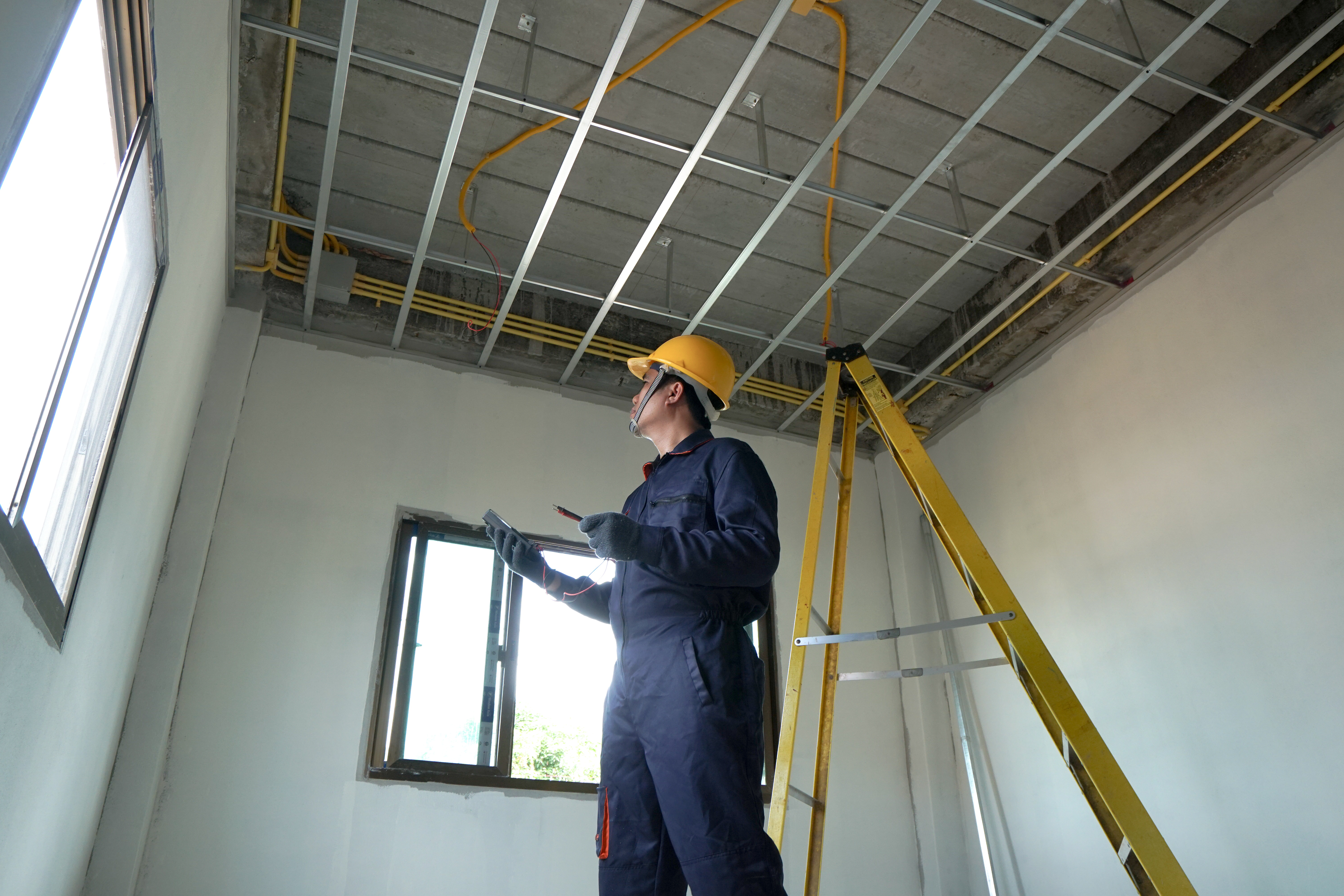
Once you suspect asbestos, the next move is a professional assessment. This step ensures you’re making informed decisions about your home’s safety.
Importance of Expert Assessment
Relying on professional inspectors is crucial for accuracy. These experts use specialized tools to detect asbestos without disturbing it, which can prevent spreading fibers throughout your home.
-
Accuracy: Professionals provide definitive answers.
-
Safety: Proper inspection reduces exposure risk.
Most people think they can handle asbestos concerns themselves, but leaving it to professionals ensures both safety and compliance. For a comprehensive understanding of what experts look for, the EPA provides detailed guidelines.
Choosing the Right Service
Finding the right service provider involves more than just a quick search. Look for companies with solid credentials, like state licensing and insurance. Desert Valley Abatement, for instance, is known for its thorough inspections and transparent communication.
-
Credentials: Ensure your choice is licensed and insured.
-
Reputation: Choose a provider with positive reviews and proven experience.
Choosing the right inspection service gives you peace of mind, knowing your home is in safe hands.
Safe Asbestos Removal Practices
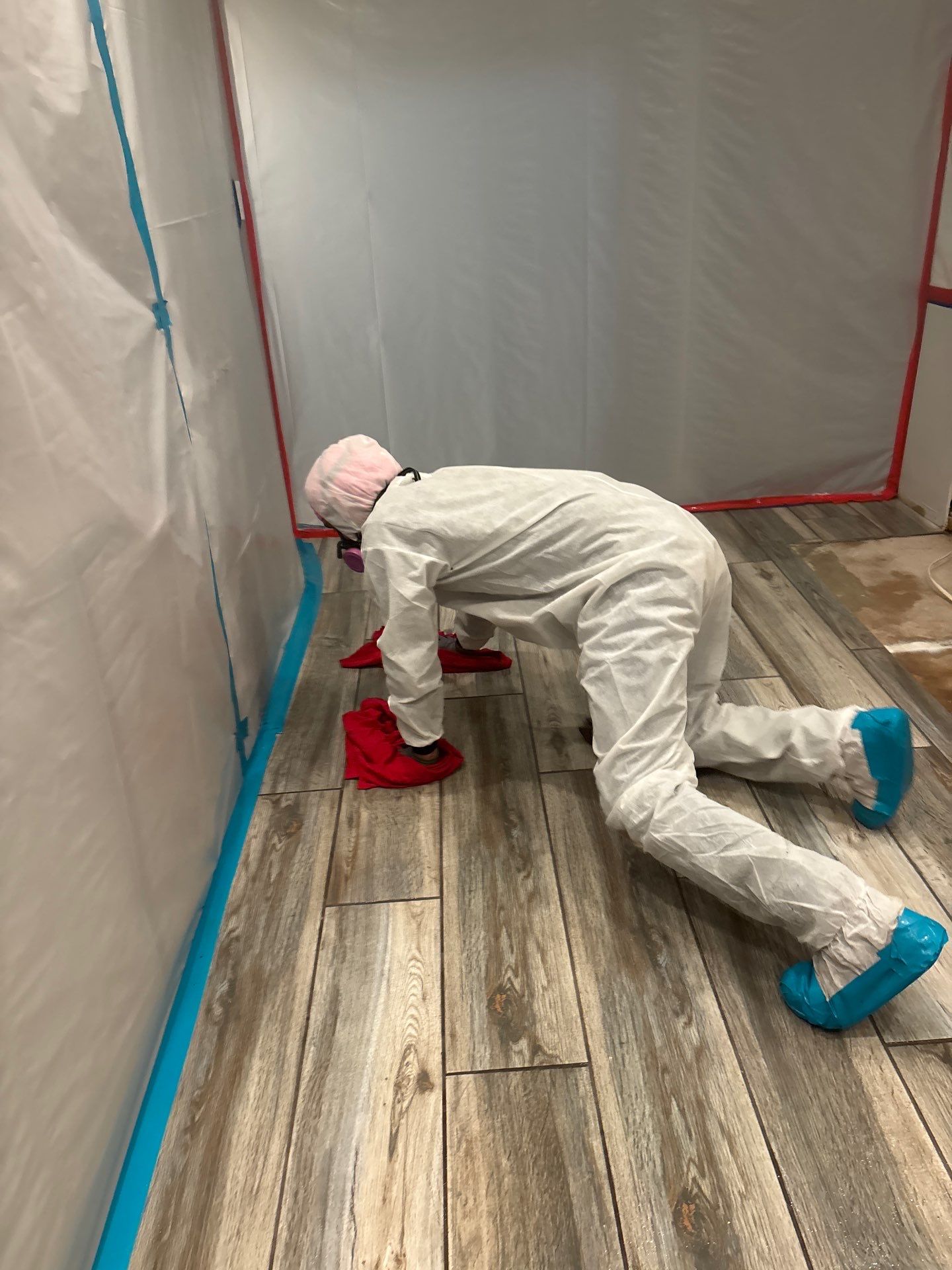
With a clear understanding of risks, the next logical step is safe removal. Here’s how professionals tackle this critical process.
Professional Removal Procedures
Safe asbestos removal is a meticulous process. It involves sealing off the area, using protective gear, and ensuring that fibers don’t spread. Desert Valley Abatement follows strict guidelines to ensure the procedure is conducted safely.
-
Initial Containment: Seal the area to prevent fiber spread.
-
Careful Removal: Use specialized equipment and protective gear.
-
Waste Disposal: Follow regulations for safe disposal.
Each step is crucial to ensuring no asbestos fibers linger, posing a threat to health.
Ensuring Home Safety and Compliance
After removal, ensuring your home’s safety and compliance is vital. This includes air quality testing and obtaining necessary certifications. It’s not just about removing asbestos but making sure your home is safe to live in afterward.
-
Air Quality Tests: Confirm no fibers remain.
-
Compliance Checks: Ensure all work meets legal standards.
The longer you wait to address asbestos risks, the greater the threat to your family’s health. Investing in professional removal and compliance checks is a step toward a safer home.
By understanding where asbestos may hide, recognizing its signs, and knowing the importance of professional help, you’re on the path to a safer home. For more home safety tips, visit our blog.