
Lead Abatement Best Practices: A Guide for Home and Business Owners
Lead hazards remain a hidden danger in many homes and businesses, putting your health and compliance at risk. Handling lead abatement without professional care can leave your property vulnerable to contamination and costly penalties. This guide will walk you through practical lead removal strategies that protect your space and meet all safety standards. For more detailed information on lead-safe practices, visit this resource.
Importance of Lead Abatement

Dealing with lead in your environment is crucial for safety. Protecting your space from this toxic metal is a responsibility that cannot be ignored.
Understanding Lead Hazards
Lead is more common than you might think. It lurks in older paints, plumbing, and even the soil around your home. When these materials age or deteriorate, they release dangerous lead dust. This dust easily spreads and contaminates living spaces. According to the CDC, homes built before 1978 are the most likely to contain lead-based paint.
Lead doesn’t just stay put. It travels through the air, attaching itself to surfaces and belongings. This means a simple renovation or even regular wear and tear can increase risk. Understanding this helps you gauge the urgency of addressing the issue. For a comprehensive overview of lead hazards, you can refer to this guide.
Health Risks of Lead Exposure
The dangers of lead aren’t just theoretical. They have real, tangible effects on health. Children are especially vulnerable, with exposure potentially causing developmental delays and learning difficulties. Adults aren’t safe either. Prolonged exposure can lead to hypertension, kidney issues, and reproductive problems.
Even low levels of lead can have serious repercussions. Most people think minor exposure isn’t significant, but research shows it can still impact health. Protecting your family and yourself from these risks is more than wise—it’s necessary.
Effective Lead Removal Techniques

Once you understand the risks, the next step is action. Removing lead safely requires knowledge and care.
Professional vs DIY Approaches
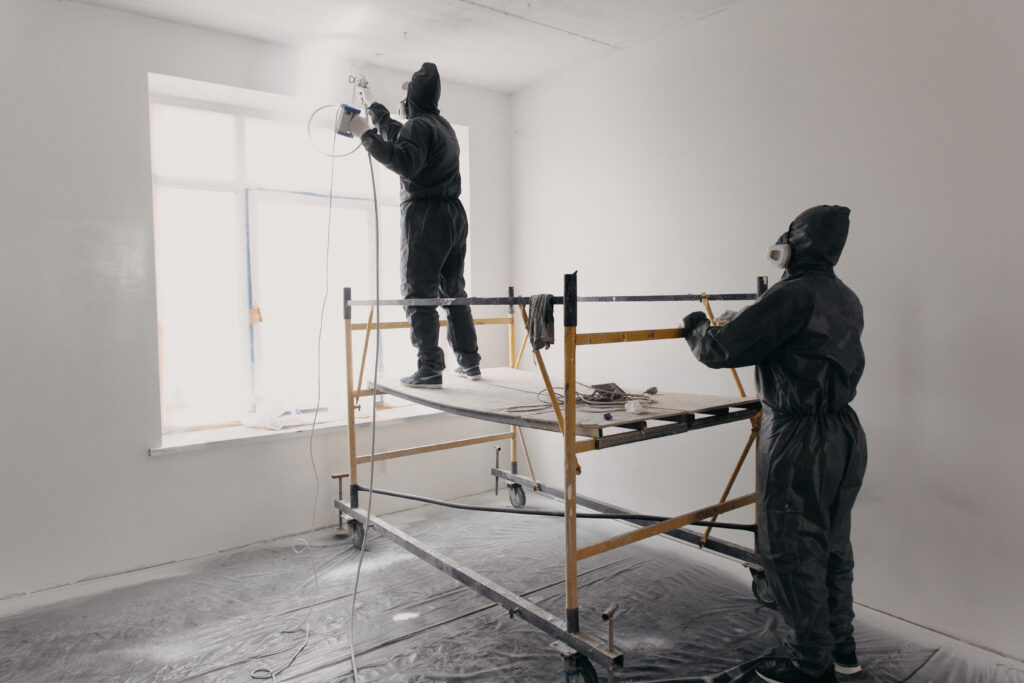
Thinking about handling lead abatement yourself? It’s a tempting idea for those looking to save money. But here’s the truth: without expertise, you might do more harm than good. Professionals have the tools and training to ensure every speck of lead is handled properly.
Consider the benefits of hiring an expert. They not only handle the removal but also manage all safety measures and disposal. This minimizes your risk and guarantees compliance with regulations. In contrast, a DIY approach could leave gaps in safety, leading to future problems. For those interested in what professionals bring to the table, this report showcases best practices.
Key Steps in Lead Abatement
Lead removal isn’t a single-step process. It involves several critical stages:
-
Inspection and Testing: Identify all sources of lead. This step is crucial for targeting the problem areas.
-
Containment: Seal off the area to prevent the spread of lead dust. This protects other parts of the building.
-
Removal: Carefully strip or encapsulate lead materials. This work must be precise to ensure complete removal.
-
Cleaning: Thoroughly clean the area to eliminate any remaining dust or particles.
-
Verification: Conduct a final inspection to ensure all lead has been removed.
Each step requires attention to detail. Skipping or rushing through any part can lead to incomplete abatement, leaving you exposed to future risks.
Ensuring Home Safety and Business Compliance
Abating lead isn’t just about health—it’s about staying on the right side of regulations.
Regulatory Standards and Guidelines
Governments set strict rules for lead abatement to protect the public. Understanding these standards is vital. The EPA, HUD, and state agencies have guidelines that dictate safe practices. Ignoring these can result in hefty fines and legal issues.
It’s a common misconception that regulations are overly complex or burdensome. In reality, they are designed to ensure safety and reliability. Staying informed about these rules helps you protect your property and avoid unnecessary penalties. For detailed guidelines, refer to the HUD’s lead-based paint guidelines.
Choosing the Right Abatement Service
Selecting a service provider is a decision that impacts your safety and compliance. Look for companies with proven track records and proper credentials. They should offer clear documentation and transparent communication.
Don’t fall into the trap of choosing based on price alone. The cheapest option might cut corners, risking your health and legal standing. Instead, prioritize experience and thoroughness. Companies like Desert Valley Abatement emphasize comprehensive services and expertise, ensuring a job well done.
In summary, lead abatement is critical to maintaining a safe, compliant property. By understanding the risks and choosing the right techniques and services, you can protect your home or business effectively. Remember, the longer you wait, the greater the risk. Take action now to ensure your environment is lead-free.