
Lead Abatement Best Practices for Safe Renovations
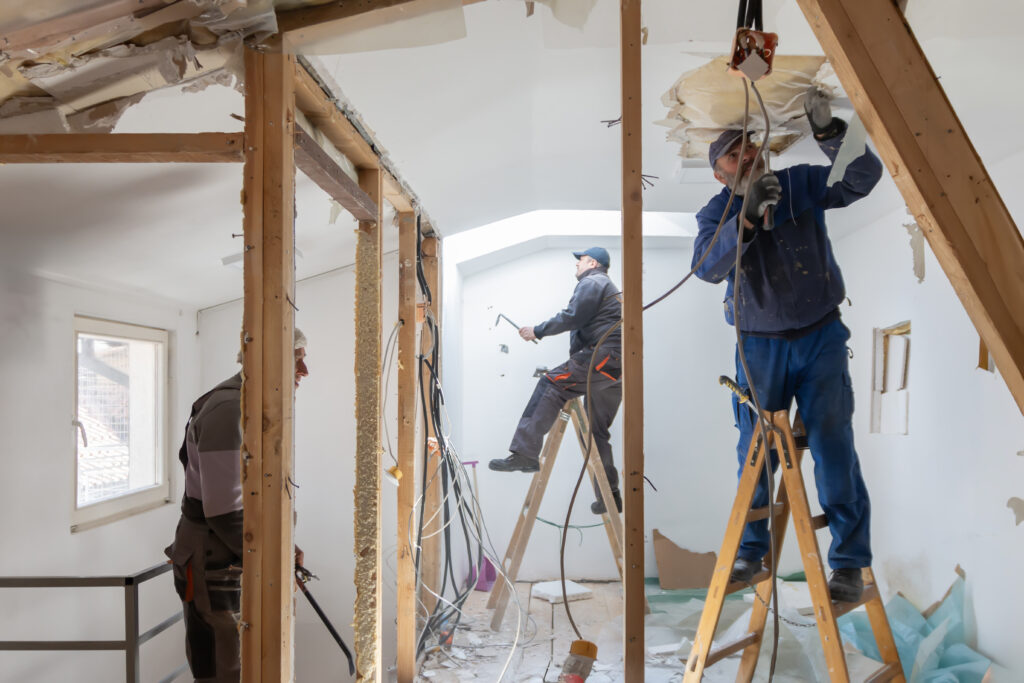
Lead hazards don’t disappear on their own—and overlooking proper lead abatement puts everyone at risk. When you’re planning renovations, controlling hazardous materials is non-negotiable for safe renovations and environmental safety. In this guide, you’ll find clear best practices for effective lead removal that protect occupants and keep your project compliant every step of the way. For more information, you can visit this resource.
Understanding Lead Abatement
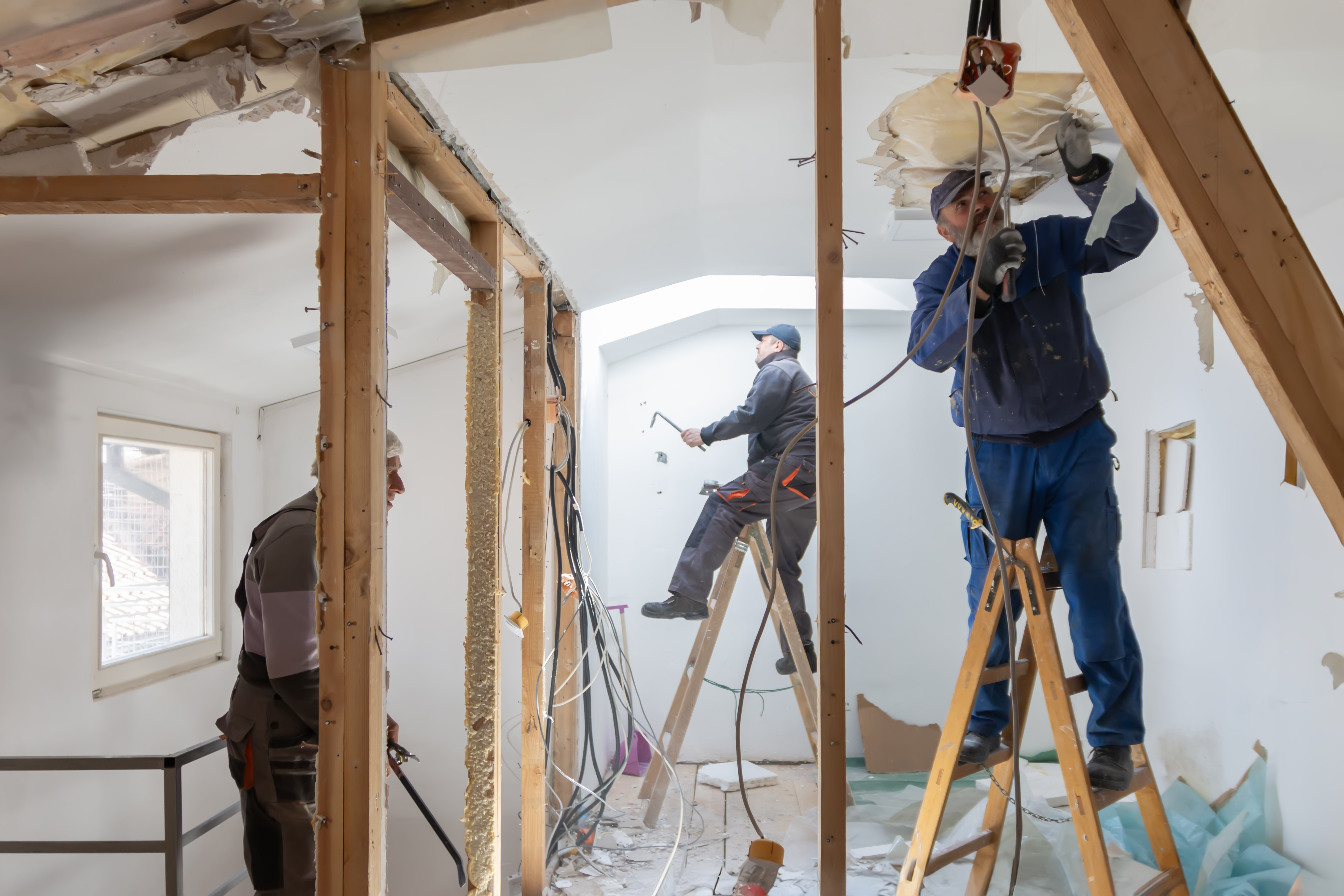
Understanding the dangers of lead is crucial for any renovation project. When lead-based materials are disturbed, they can pose serious health risks. Here’s why safe renovation practices are key.
Importance of Safe Renovations
When tackling home improvement projects, safety should always be your top priority. Lead particles can be harmful, especially to children and pregnant women. By ensuring your renovation process is safe, you protect everyone involved. This starts with knowing what materials are present in your home. Studies show that homes built before 1978 are more likely to contain lead-based paints. Checking and planning before you start can help avoid unexpected exposure. For more details on safe practices, check this step-by-step guide.
Identifying Hazardous Materials
Spotting hazardous materials early saves time and prevents health hazards. Look for signs like peeling paint, which might indicate the presence of lead. If you’re unsure, testing is a smart step. Testing kits are readily available, or you can hire professionals to do a thorough inspection. Identifying these risks early helps in planning a safe and effective removal process. This is not just about safety; it’s about ensuring compliance with local regulations. For a deeper understanding of the regulations, refer to the EPA guidelines.
Effective Lead Removal Techniques

Once you’ve identified the presence of lead, the next step is implementing removal techniques that prioritize safety. This process ensures not just a lead-free environment but also peace of mind.
Ensuring Environmental Safety
The key to effective lead removal is minimizing the spread of particles. Containment is your first line of defense. Seal off the work area using plastic sheeting to prevent dust from traveling. Always wear protective gear, such as masks and gloves, to protect yourself. Did you know that using a HEPA vacuum can capture 99.97% of lead particles? This tool is invaluable during and after the removal process to ensure thorough cleaning. Additionally, proper disposal of lead-contaminated waste is critical. Following these practices keeps your environment safe. For more on maintaining environmental safety, consider this safety brochure.
Compliance with Regulatory Standards
Compliance with regulatory standards isn’t just necessary; it’s mandatory to avoid penalties and ensure safety. The EPA’s Renovation, Repair, and Painting (RRP) Rule requires that contractors performing renovation, repair, and painting projects that disturb lead-based paint be certified and follow specific work practices to prevent lead contamination. This includes using certified professionals trained in lead-safe work practices. Regular training and updates on these regulations keep you compliant and informed. Failing to comply can result in hefty fines and, more importantly, pose health risks.
Choosing Professional Services
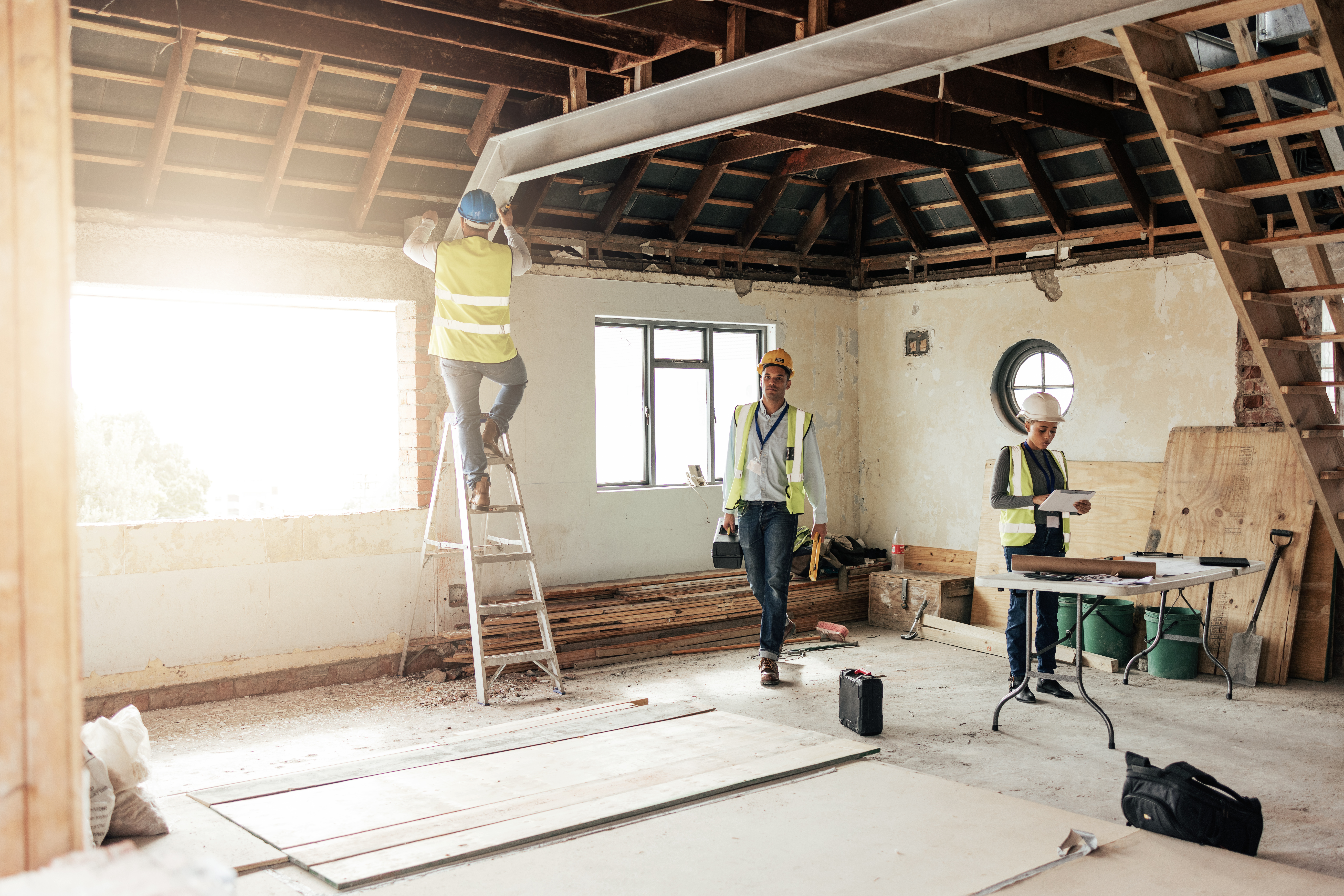
Selecting the right professionals for lead abatement can significantly impact the success of your renovation. Here’s why certified technicians are a game-changer.
Benefits of Certified Technicians
Certified technicians bring expertise and peace of mind to your renovation project. They understand the intricacies of lead removal and know how to handle materials safely. Their training ensures that all procedures are done according to the highest safety standards. This expertise minimizes the risk of lead exposure and guarantees compliance with all relevant regulations. Hiring professionals also saves you time and effort, allowing you to focus on other aspects of your renovation. Most importantly, certified technicians provide a level of assurance that DIY methods can’t match. Don’t leave safety to chance—opt for professionals who know their craft.
Protecting Health and Property
Your health and property are invaluable. Protect them by choosing services that prioritize safety and thoroughness. Lead removal is not just about getting rid of the visible elements; it’s about ensuring that every trace is eliminated. Professional services use advanced techniques and equipment to ensure your home is safe for everyone. Remember, the longer you wait to address lead hazards, the greater the risk. By acting swiftly and choosing the right services, you safeguard your family’s health and the integrity of your property. Taking proactive steps now can save you from bigger problems down the line.
In conclusion, understanding and effectively addressing lead hazards is crucial for any renovation project. By following safe practices and choosing certified professionals, you protect both your family and your investment. Always prioritize safety, compliance, and the health of everyone involved.